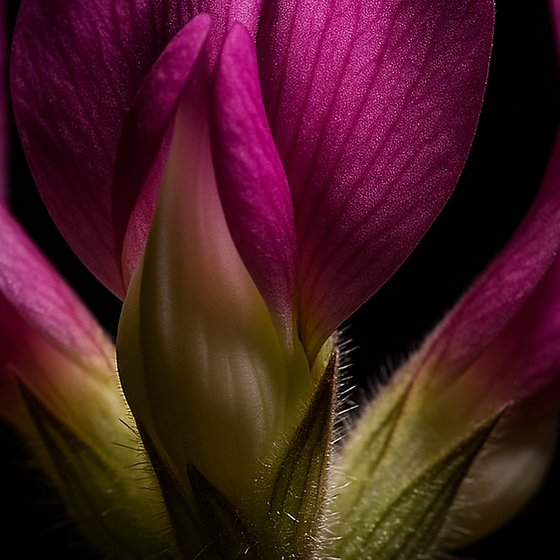
Astragalus

NaturalGREENS, HERBS & FOUGERESgreen · earthy · floral
BasePyramid
3/5Strength
—Tenacity
2Origins
Specimen
Astragalus perfume ingredient
Base
Astragalus membranaceus
Definition

Astragalus is a flowering plant known for its earthy and slightly sweet aroma, often used in perfumery.

GREEN EARTHY SWEET HERBAL FRESH
MILK VETCH HUANG QI
Type
Ingredient
Olfactive family
Aromatic
Subfamily
Herbal aromatics
Cluster
Green-fresh florals
Source
root
Chemical class
complex natural (essential oil)
Instruments
Pyramid
TTop
HHeart
BBase
3/5Strength
Medium
odour strength
Producing countries
China Mongolia

Scent

The aroma of astragalus unfolds with an earthy and slightly sweet scent that can remind one of freshly turned soil mixed with subtle hints of green grass. Its fragrance carries an herbal quality. wildflowers.

Scent Evolution

As the scent develops, the initial sweetness gives way to a more rounded, soft profile. The herbaceous notes linger gently. Astragalus's varied aroma makes it an excellent choice for both uplifting and soothing fragrance compositions.

Terroir & Transformation

The Full Story

Astragalus, commonly known as milkvetch or huang qi, is a flowering plant native to Asia, particularly in regions like China and Mongolia. It has a rich history in traditional Chinese medicine, respected for healing properties and ability to boost the immune system. This herbaceous plant, part of the legume family, produces delicate flowers that range in color from white to purple. Its rootsare the primary source utilized in perfumery and herbal practices, harvested with care to ensure sustainability.

Origin and Production

in perfumery, astragalus is valued for unique olfactory characteristics. The scent smells earthy, slightly sweet, and subtly herbal. Its aroma can carry a sense of grounding and warmth.

Chemistry and Scent Profile

Sourcing astragalus requires a balance of careful cultivation and wild harvesting. As a sustainable resource, it is often cultivated in controlled environments where it can thrive and be harvested without harming the natural ecosystems. This dedication to sustainability helps maintain the availability of astragalus as an important ingredient in perfumery and herbal remedies.

Role in Perfumery

Overall, the significance of astragalus in perfumery lies in its scent and in its historical and medicinal associations. By incorporating this ingredient into fragrances, perfumers can create compositions that connects with nature and tradition, appealing to those who appreciate both the artistic and therapeutic aspects of scent.

Did You Know?

Astragalus is used in perfumery and widely recognized in traditional medicine for its immune-boosting properties.

Did You Know?

Astragalus is used in perfumery and widely recognized in traditional medicine for its immune-boosting properties.

Extraction & Chemistry

Extraction method

The aromatic material is obtained through steam distillation of the dried roots.

Formula
N/A — complex natural extract (contains astragalosides, polysaccharides)
CAS
N/A — no standard CAS for perfumery extract
Botanical
Astragalus membranaceus
Appearance
Colorless to pale yellow liquid
Odour strength
Medium
Synonyms
MILK VETCH HUANG QI
IFRA status
See note

No IFRA Standard for the material itself (51st Amendment)

Physical properties
Note
Astragalus (Huang Qi) is primarily a traditional medicine plant. Not commonly distilled for perfumery. Contains astragalosides and isoflavonoids.

In Perfumery

Astragalus is typically a base note in perfumery, giving depth and richness to fragrance blends. It works alongside other earthy and floral notes, such as vetiver, sandalwood, and lavender, allowing for the creation of balanced and well-balanced compositions. Perfumers often use astragalus to enhance the longevity of their fragrances, as its grounding qualities help anchor more volatile top and heart notes.

Role in the formula
01fixative
02diffusion enhancer
03modifier
04lifting agent
05blender
06volume builder
Available as
essential oil

See Also

5 notes