


Rose Apple
Editorial noteWe own no rights to this material, its name or its trademark. This entry is independent editorial journalism, published under freedom of expression.
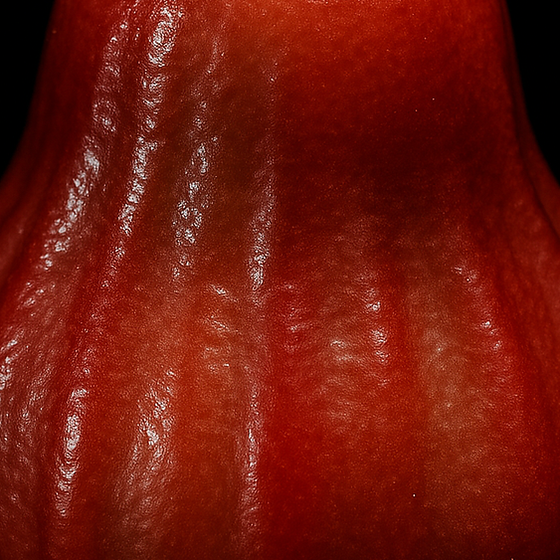
A tropical fruit (Syzygium jambos) with a faint rose scent. Not a perfumery raw material — the 'rose apple' note in fragrance is a conceptual reconstruction, rare in fine perfumery.
- Type
- Accord
- Olfactive family
- Fruity
- Subfamily
- Classic fruits
- Cluster
- Orchard fruit notes
- Source
- flower
- Chemical class
- fantasy note
Scent
The Full Story
Did You Know?
Rose apple belongs to the Myrtaceae family alongside guava, clove, and eucalyptus — not the Rosaceae (true apples). The 'rose' in its name refers only to its delicate floral aroma when fresh, not to any botanical relationship to roses.
Extraction & Chemistry
Extraction method
Not commercially extracted. Syzygium jambos fruit has no widely traded essential oil. The 'rose apple' note is a reconstructed accord using cis-rose oxide, 2-phenylethanol, and apple-pear esters.
- Formula
- Complex mixture (no single formula)
- Botanical
- Syzygium jambos
- Appearance
- Pale yellow to amber liquid
- Odour strength
- Medium
- Lasting power
- 200 hours
- Synonyms
- JAMBOSE MALABAR PLUM WATER APPLE
Not subject to an IFRA Standard (51st Amendment)
- Note
- Syzygium jambos; fruit with delicate rose-like aroma; no widely traded essential oil
In Perfumery
Rose apple functions as a heart-note fantasy accord rather than an extracted material. The construction draws on the rose-floral character of cis-rose oxide and 2-phenylethanol overlapping with apple-pear esters (ethyl 2-methylbutyrate, hexyl acetate), producing a transparent, dewy effect. It serves niche compositions referencing Indian, Indonesian, or Filipino tropical-garden imagery. Best dosed at 0.5-2% in a formula's heart, paired with green leaf molecules (cis-3-hexenol), white tea accords, or transparent white florals to support the floral-fruit ambiguity without resorting to traditional rose absolute.
See Also
7 notes