


Sweat
AccordPOPULAR & WEIRDmusky · earthy · warm
BasePyramid
3/5Strength
>200hTenacity
1Origins
Editorial noteWe own no rights to this material, its name or its trademark. This entry is independent editorial journalism, published under freedom of expression.
Specimen
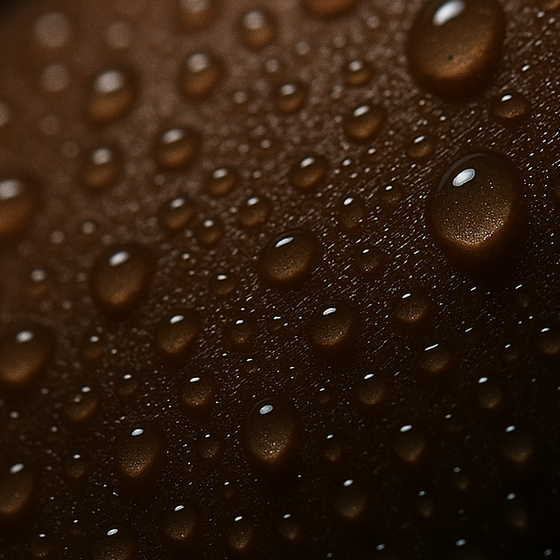
N/A — olfactory concept
Fantasy/Concept
Definition
Sharp, sour, distinctly human. Fresh sweat is faintly saline and nearly odorless. Stale sweat is acrid with isovaleric acid and androstenone. Between repulsion and attraction lies the most intimate smell.
EARTHY MUSKY WARM SALTY ANIMALIC
perspiration, human scent
- Type
- Accord
- Olfactive family
- Animalic
- Subfamily
- Earthy woods
- Cluster
- Earthy woods
- Source
- Synthetic reconstruction (e.g. isovaleric acid, cumin aldehyde blends)
Instruments
Pyramid
TTop
HHeart
BBase
3/5Strength
Medium
odour strength
Tenacity on blotter
>200hours · 8 days
1 h6 h24 h3 d7 d400 h
Producing countries
N/A — olfactory concept
Scent
In PREMIEREPEAU
The Full Story
Extraction & Chemistry
Extraction method
No extraction. The sweat impression is created from cuminaldehyde, costus-type synthetics, and musks.
- Formula
- N/A — olfactory concept
- CAS
- N/A — olfactory concept (key component: isovaleric acid CAS 503-74-2)
- Botanical
- N/A — olfactory concept
- Appearance
- N/A — conceptual accord (no standard physical form)
- Odour strength
- Medium
- Lasting power
- > 200 hours
- Synonyms
- perspiration, human scent
IFRA status
See noteNot subject to an IFRA Standard (51st Amendment)
Physical properties
- Note
- Sweat as a perfumery note is an animalic concept. Key molecules: isovaleric acid, cumin aldehyde, and various short-chain fatty acids.
In Perfumery
Subliminal animalic modifier. Cuminaldehyde provides sweat-adjacent warmth. Costus-type synthetics suggest skin intimacy. Dosage is everything.
Role in the formula
01volume builder
Available as
fragrance accord
See Also
5 notes