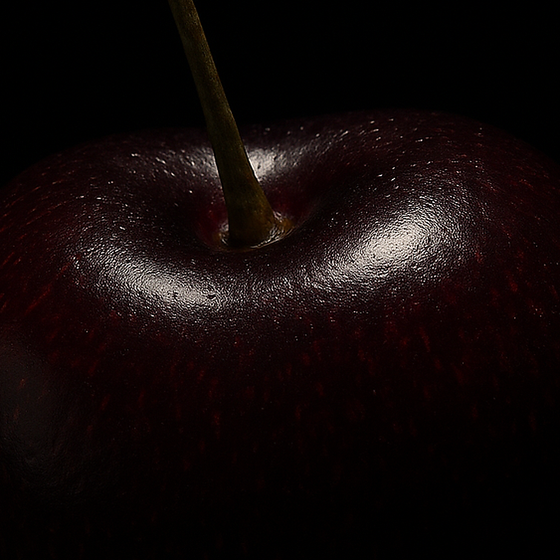
Prunus serotina is a medium-sized, fast-growing deciduous forest tree or shrub that grows to a height of 15-24 metres. Despite its common names, it is not very closely related to commonly cultivated cherries. The flowers are small, white and five-petalled. The ripe fruit is a dark purple round drupe, almost black, with a bitter-sweet taste, and it matures in late summer. The common name comes from the black color of the ripe fruits.
Origin and Distribution
The tree is native to North America. It is widespread in eastern North America and extends south in Mexico to Guatemala. Black cherry is a shade-intolerant species that primarily occurs in successional vegetation or in forest openings as well as in old fields and along fencerows. Flowering takes place from May to July, or from March to April in the Southwest, and fruiting from June to October. The species hosts the caterpillars of more than 450 species of butterflies and moths. It has acted as an invasive species in Western and Central Europe, where it negatively affects forest community biodiversity and regeneration.
Chemistry
The seeds of black cherries contain cyanogenic glycosides such as amygdalin. These compounds release hydrogen cyanide when the seed is ground or minced. The flesh of the fruit also contains these glycosides but not the enzymes needed to convert them to cyanide, so it is safe to eat. Amygdalin breaks up under enzyme catalysis into benzaldehyde, hydrogen cyanide and two equivalents of glucose. Benzaldehyde released from amygdalin provides a bitter flavor.
Benzaldehyde is an organic compound consisting of a benzene ring with a formyl substituent. Its molecular formula is C₇H₆O. Analysis of black cherry seeds identified 59 volatile compounds in the raw seeds and 99 in the toasted seeds. The major volatile compounds in both are 2,3-butanediol and benzaldehyde. The volatile compounds comprise aldehydes, alcohols, ketones, carboxylic acids, esters, hydrocarbons, and pyrazines. The essential oil obtained from the leaves has benzyl alcohol, benzaldehyde, cinnamyl alcohol and cinnamaldehyde as its major constituents. The fruits have a high content of phenolic compounds such as chlorogenic acid, gallic acid, caffeic acid, catechin and epicatechin. Black cherry seed oil is rich in oleic, linoleic and α-eleostearic acids.
Uses
Pitted fruits are edible and are eaten raw and used in wine and jelly. The fruit has been used to flavor rum and brandy. Black cherry fruits are important food for numerous species of passerine birds, game birds, and mammals. The wood is a rich reddish-brown color and is strong, hard, and close-grained. It is one of the most valued cabinet and furniture woods in North America. It is also used for paneling, interior trim, veneers, handles, crafts, toys, and scientific instruments. Most livestock poisoning apparently comes from eating wilted leaves, which contain more of the toxin than fresh leaves.