


Elemi Oil
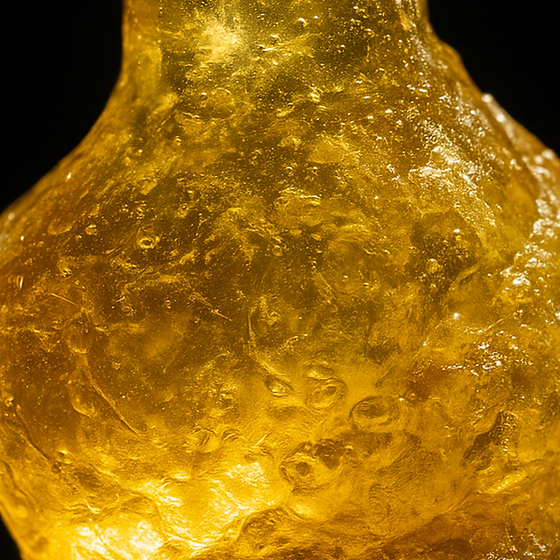
Bright, lemony-resinous with a peppery, almost incense-like depth. Elemi oil smells like frankincense's younger, more citrusy sibling — fresh, clean, slightly turpenic.
Scent
Grades & Aging
The Full Story
Did You Know?
Elemi resin was used by ancient Egyptian embalmers — traces of elemicin have been identified in mummy wrappings dating to the 18th Dynasty (c. 1550-1295 BCE). The resin's antimicrobial properties made it effective as a preservative long before anyone understood the chemistry.
Extraction & Chemistry
Extraction method
Steam distillation of the fresh oleo-resin tapped from Canarium luzonicum trees. Yield is approximately 15-25% from resin — relatively high, which makes the oil economically accessible. Virtually all production comes from the Philippines (Luzon, Visayas). The resin is tapped similarly to pine resin — by making cuts in the bark. Fresh resin yields better oil; aged, hardened resin has lower volatile content.
- Formula
- N/A — complex essential oil (limonene C₁₀H₁₆ ~50%, elemol C₁₅H₂₆O ~5%)
- CAS
- 8023-89-0
- Botanical
- Canarium luzonicum
- Appearance
- pale yellow liquid
- Lasting power
- 20 hour(s) at 100.00 %
- Synonyms
- ELEMI ELEMI GUM CANARIUM LUZONICUM
No IFRA Standard for the material itself (51st Amendment)
- Melting point
- 28.00 to 30.00 °C. @ 760.00 mm Hg
- Specific gravity
- 0.87000 to 0.91400 @ 25.00 °C.
- Refractive index
- 1.47900 to 1.48900 @ 20.00 °C.
In Perfumery
Top-to-heart note that bridges citrus and incense families. Elemi oil functions as a citrus extender — its limonene content mirrors citrus top notes while its resinous undertones anchor the scent in the heart. In incense accords, it lightens frankincense and provides transparency. In woody compositions, it adds a clean, aromatic freshness. Works well with bergamot, frankincense, myrrh, and vetiver. An excellent modifier for making heavy compositions feel more lifted and modern.