


BasePyramid
—Strength
—Tenacity
—Origins
Editorial noteWe own no rights to this material, its name or its trademark. This entry is independent editorial journalism, published under freedom of expression.
Specimen
Indigofera tinctoria (source of natural indigo dye)
Fantasy/Concept
Definition
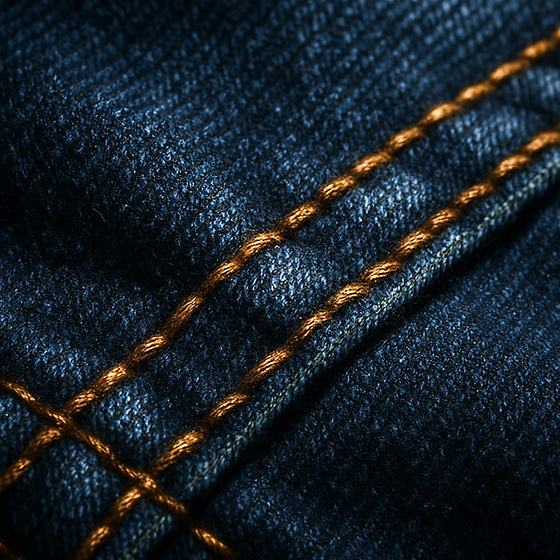
Jeans are trousers, often called blue jeans, made from denim. The most common type of denim is indigo denim.
EARTHY FRESH
blue jeans
- Type
- Accord
- Olfactive family
- Amber & musk
- Subfamily
- Clean musks
- Cluster
- Clean musks
- Source
- Cotton denim dyed with indigo
Instruments
Pyramid
TTop
HHeart
BBase
In PREMIEREPEAU
The Full Story
Extraction & Chemistry
Extraction method
Denim is made by converting raw cotton fibers to yarn, dyeing the warp yarn while usually leaving the weft undyed, and then weaving the yarns.
- Botanical
- Indigofera tinctoria (source of natural indigo dye)
- Synonyms
- blue jeans
IFRA status
See noteNo IFRA Standard for the material itself (51st Amendment)
See Also
7 notes