


Phoebe zhennan
NaturalWOODS & MOSSESwoody · warm · rich
BasePyramid
—Strength
—Tenacity
1Origins
Specimen
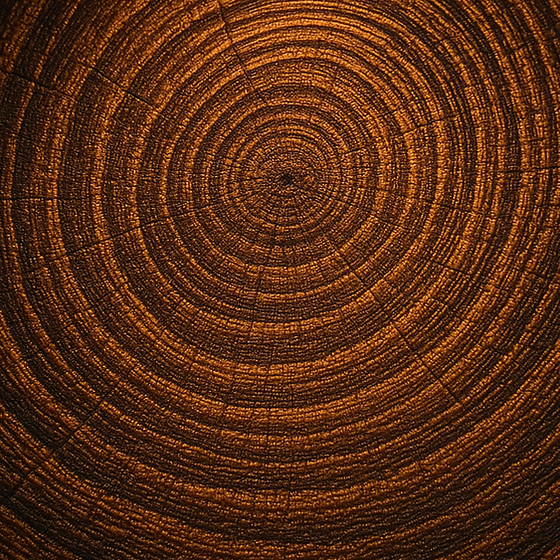
Phoebe zhennan
Definition
Phoebe zhennan is a large tree of the laurel family, endemic to China, whose wood is called nanmu. Freshly worked nanmu wood emits a pungent fragrance.
WOODY SWEET WARM FRESH CREAMY RESINOUS
Nanmu, Zhennan
- Type
- Ingredient
- Olfactive family
- Woods
- Subfamily
- Creamy woods
- Cluster
- Creamy woods
- Source
- wood
Instruments
Pyramid
TTop
HHeart
BBase
Producing countries
China
Scent
In PREMIEREPEAU
The Full Story
Extraction & Chemistry
Extraction method
Essential oil has been extracted from the wood of Phoebe zhennan trees of three ages, 10, 30 and 80 years. The yield of essential oil from 30-year-old wood was significantly greater than that from 10- and 80-year-old wood.
- Formula
- Complex natural mixture (key constituents: agarospirol; eudesmol; cadinene)
- Botanical
- Phoebe zhennan
- Appearance
- Wood of a warm olive-brown to reddish-brown color
- Synonyms
- Nanmu, Zhennan
IFRA status
See noteNo IFRA Standard for the material itself (51st Amendment)
In Perfumery
Lauraceae species produce volatile compounds of high economic value in the spice and perfume industries.
Role in the formula
01modifier
02backbone
03signature note
04blender
05volume builder
Available as
synthetic accord fantasy note
See Also
8 notes