


Strawberry
Editorial noteWe own no rights to this material, its name or its trademark. This entry is independent editorial journalism, published under freedom of expression.
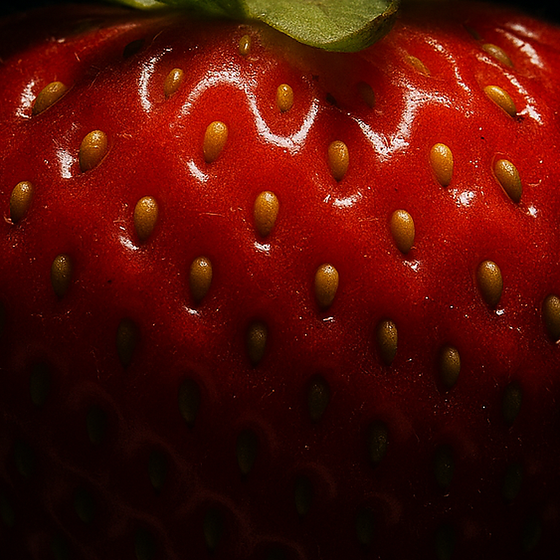
A sweet, juicy fruit known for its bright red color and aromatic qualities.
Scent
The Full Story
Did You Know?
Strawberries are not actually berries, but rather aggregate fru its made up of many tiny seeds on their surface. This structure contributes to their particular flavor and aroma.
Extraction & Chemistry
Extraction method
Solvent extraction, enfleurage
- Formula
- N/A — accord note (key: furaneol C₆H₈O₃, ethyl 2-methylbutyrate C₇H₁₄O₂)
- CAS
- N/A — no commercial essential oil (key odorants: ethyl methylbutyrate, furaneol)
- Botanical
- Fragaria × ananassa
- Appearance
- Fragrance accord (no standard natural extract); synthetic accords are typically colorless to pale yellow liquids
- Odour strength
- High
- Synonyms
- FRAGARIA GARDEN STRAWBERRY
Not applicable: accord or concept, not a single material
- Note
- Fantasy/accord note; no standard commercial essential oil. Key odorants: ethyl methylbutyrate, furaneol
In Perfumery
In perfumery, strawberry primarily is a top note, lending immediate and refreshing introduction to a fragrance. It works alongside other fruity notes like raspberry and peach, as well as floral notes such as jasmine and rose. Strawberry can complement gourmand elements, particularly vanilla and cream, to create a sweet, indulgent profile. Its ability to carry a sense of playfulness makes it a favored choice in youthful and lively fragrance compositions. Technical knowledge of strawberry's olfactory properties allows perfumers to utilize it effectively in their creations. Understanding the balance between sweetness and tartness is crucial when incorporating strawberry into a formula, so that it enhances rather than overwhelms other notes. The fru it's sweetness can also is a bridge, helping to harmonize contrasting elements within a fragrance.