


Williams Pear
AccordFRUITS, VEGETABLES & NUTSfruity · fresh · sweet
TopPyramid
4/5Strength
24hTenacity
2Origins
Editorial noteWe own no rights to this material, its name or its trademark. This entry is independent editorial journalism, published under freedom of expression.
Specimen
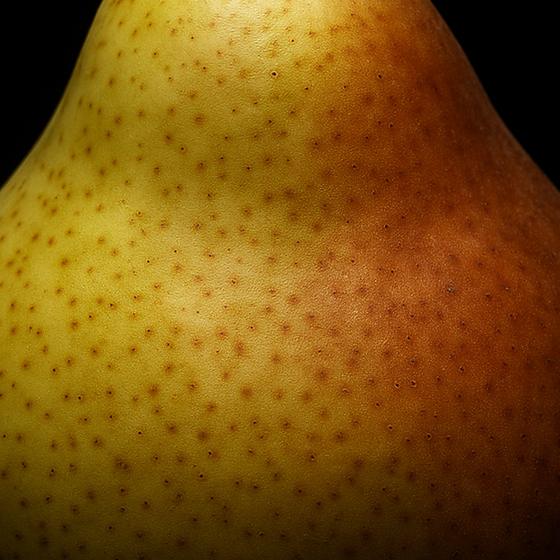
Pyrus communis
Fantasy/Concept
Definition
Ripe, juicy, almost ester-heavy. The defining pear scent — ethyl decadienoate in fruit form.
FLORAL GREEN SWEET FRUITY FRESH
BARTLETT PEAR WILLIAMS
- Type
- Accord
- Olfactive family
- Fruity
- Subfamily
- Green fruits
- Cluster
- Orchard fruit notes
- Source
- fruit
- Chemical class
- complex natural (expressed oil)
Instruments
Pyramid
TTop
HHeart
BBase
4/5Strength
High
odour strength
Tenacity on blotter
24hours
1 h6 h24 h3 d7 d400 h
Producing countries
Europe North America
Scent
In PREMIEREPEAU
The Full Story
Did You Know?
The Williams Pear is often recognized because it can change color as it ripens, turning from green to a beautiful golden yellow.
Extraction & Chemistry
Extraction method
Cold pressing or distillation of the fruit essence
- Formula
- Complex natural mixture; key aroma compound: ethyl (E,Z)-2,4-decadienoate (C₁₂H₂₀O₂)
- CAS
- N/A — natural fruit, complex mixture
- Botanical
- Pyrus communis
- Appearance
- Colorless to pale yellow liquid
- Odour strength
- High
- Lasting power
- 24 hours
- Synonyms
- BARTLETT PEAR WILLIAMS
IFRA status
No restrictionNo known restrictions
Physical properties
- Flash point
- 145.00 °F. TCC ( 62.78 °C. ) (est)
In Perfumery
Williams pear is typically utilized as a top note in fragrance compositions, where its bright and refreshing qualities can be fully appreciated. It can provide a pleasant contrast when used alongside gourmand elements, enhancing sweetness without overwhelming the composition.
Role in the formula
01modifier
02signature note
03lifting agent
04blender
05freshness
Available as
expressed oil
See Also
8 notes