


Cinamil-alkohol
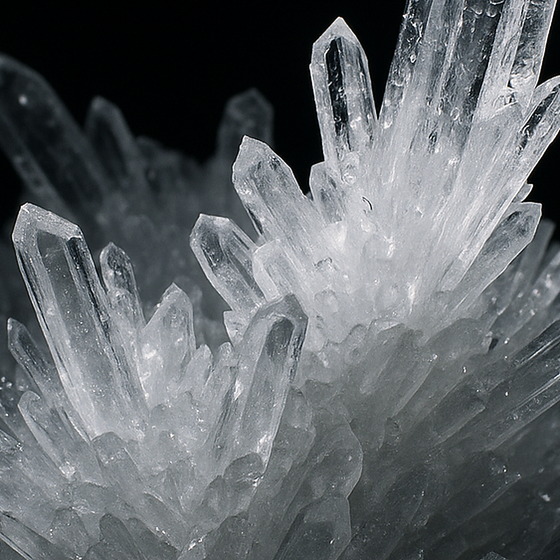
Warm, balsamic powder over clean white petals. Cinnamyl alcohol is cinnamon with the heat surgically removed — what remains is the sweet, waxy hush of hyacinth pollen on a warm afternoon.
- Type
- Sirovina
- Olfactive family
- Začinski
- Source
- synthetic molecule (also found naturally in cinnamon bark and storax)
- Chemical class
- phenylpropanoid (alcohol)
Miris
Teroar i hemotipovi
Detaljno
Zanimljivosti
Cinnamyl alcohol autoxidizes so readily that even freshly opened commercial samples already contain 1.5% cinnamaldehyde as a contaminant. This means a bottle of "cinnamyl alcohol" left unsealed for a few weeks gradually becomes a different molecule — and a significantly more potent skin sensitizer. The 2013 study by Bezard et al. in Contact Dermatitis demonstrated this, establishing that the allergenicity attributed to cinnamyl alcohol is partly an artifact of its own instability.
Dobijanje i hemija
Način dobijanja
Commercial cinnamyl alcohol is produced almost exclusively by synthetic reduction of cinnamaldehyde (itself derived from cassia oil or synthesized via aldol condensation of benzaldehyde with acetaldehyde). Two principal industrial routes: (1) Meerwein-Ponndorf-Verley reduction using aluminum isopropoxide in isopropanol — selective carbonyl reduction preserving the C=C double bond, approximately 85% yield. (2) Catalytic hydrogenation with osmium-on-carbon catalyst, achieving approximately 95% yield with high chemoselectivity for the aldehyde over the alkene. Natural cinnamyl alcohol can be isolated from styrax resin (Liquidambar orientalis) — Fraterworks offers a "Cinnamic Alcohol ex Styrax" natural isolate (approximately 55% cinnamyl alcohol). This route is artisanal, not industrial. Natural occurrence in cinnamon bark oil is too low (0.4-6%) for economical extraction. The molecule also occurs in hyacinth absolute (approximately 11%) but extraction from this source is impractical given hyacinth absolute's own rarity and cost.
- Formula
- C9H10O
- CAS
- 104-54-1
- Botanički naziv
- N/A - synthetic molecule (also found naturally in cinnamon)
- Izgled
- White crystalline solid or colorless needles
- Jačina mirisa
- Srednji
- Trajnost
- 371 hours at 100%
- Sinonimi
- CINNAMYL ALCOHOL 3-PHENYL-2-PROPEN-1-OL
Restricted. EU-regulated fragrance allergen (Annex III, Regulation (EC) No. 1223/2009). Mandatory label declaration above 0.001% in leave-on products, 0.01% in rinse-off. IFRA category limits: 1.2% in fine fragrance (Cat. 4), 0.32% in body lotion (Cat. 5A), 0.25% in face products (Cat. 3/5B/5C), 0.067% in axillary products (Cat. 2), 0.085% in baby products (Cat. 5D). Additionally classified as a prohapten — metabolized to cinnamaldehyde in skin by ADH and CYP2E1. Cross-reacts with cinnamal on patch testing.
- Tačka ključanja
- 250.00 to 258.00 °C. @ 760.00 mm Hg
- Tačka topljenja
- 30.00 to 34.00 °C. @ 760.00 mm Hg
- Tačka paljenja
- > 200.00 °F. TCC ( > 93.33 °C. )
U parfemima
Heart-to-base modifier in floral-spicy, amber, balsamic, and hyacinth compositions. Cinnamyl alcohol provides cinnamon warmth without pungency — a critical distinction when cinnamaldehyde would destabilize a formula or exceed sensitization thresholds. It is foundational in hyacinth reconstructions, where it works alongside phenylacetaldehyde (the green-waxy quality) and florhydral (the dewy freshness) to approximate the natural flower's complexity. Equally at home in soft amber bases, where it adds balsamic depth without competing with vanillin or coumarin. The natural isolate from styrax resin (approximately 55% cinnamyl alcohol with residual phenylpropyl alcohol and cinnamaldehyde) has a richer, more heady floral character than the synthetic grade. The synthetic is cleaner, more linear, and significantly cheaper. Dosage must account for IFRA limits: maximum 1.2% in fine fragrance (Category 4). The autoxidation issue demands fresh material and nitrogen-blanketed storage — aged stock generates cinnamaldehyde and epoxy cinnamyl alcohol, both stronger sensitizers.
Pogledajte i
7 nota