


Terakota
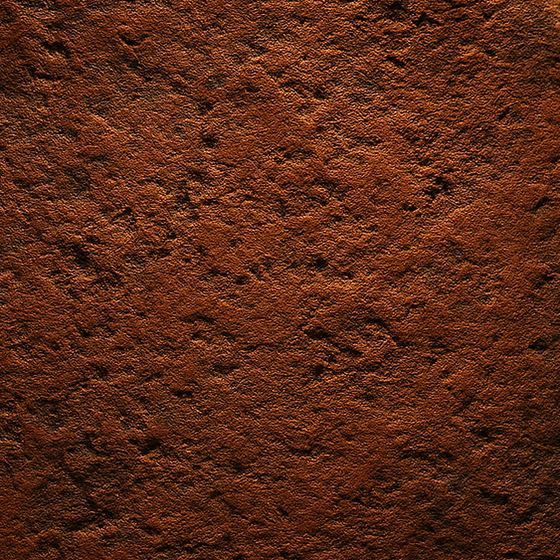
Dry, mineral, sun-warmed clay. Terracotta smells like a Mediterranean afternoon — iron-rich earth fired into pottery, radiating heat in a garden.
- Type
- Akord
- Olfactive family
- Drvenasti
- Source
- synthetic molecule
Miris
Detaljno
Dobijanje i hemija
Način dobijanja
N/A — terracotta is a compounded accord. No extraction of fired clay yields usable aromatic material for perfumery. The note is reconstructed from mineral-earthy molecules (vetiver, geosmin), dry-powdery materials (orris butter, heliotropin), and warm-dry bases (cedarwood, sandalwood at low doses). Some artisanal perfumers create clay tinctures (unfired clay macerated in ethanol), but these yield only faint mineral notes.
- Formula
- N/A — olfactory accord
- CAS
- N/A — olfactory accord, not a single molecule
- Botanički naziv
- N/A — olfactory accord evoking baked clay and earthy mineral notes
- Izgled
- N/A — olfactory accord, not a physical substance
- Jačina mirisa
- Srednji
- Sinonimi
- clay, earthenware
Not applicable: accord or concept, not a single material
- Nota
- N/A - olfactory accord evoking warm, dry, mineral-earthy facets; built from vetiver, patchouli, and synthetic earthy molecules (Georgywood, Iso E Super)
U parfemima
Terracotta is an atmospheric accord note in perfumery, evoking fired clay, sun-baked earth, and mineral warmth. It functions as a base-note modifier that grounds compositions with a dry, non-organic warmth distinct from woods, ambers, or musks. The accord is built from mineral-earthy materials (vetiver for rooty dryness, geosmin traces for petrich or), warm-powdery notes (iris concrete or orris butter for a dry-clay quality, heliotropin for powdery warmth), and subtle smoky qualities (traces of guaiacol or cypriol). The result reads as architectural rather than botanical — a wall, a pot, a tile, not a plant. Terracotta accords appear in Mediterranean-themed compositions, summer fragrances, and minimalist structures where the perfumer aims for 'warm emptiness' — heat without sweetness.
Pogledajte i
5 nota