Ethylvanillin

SyntheticPOPULAR & WEIRDgourmand · sweet · creamy
BasePyramid
3/5Strength
400hTenacity
3Origins
Specimen
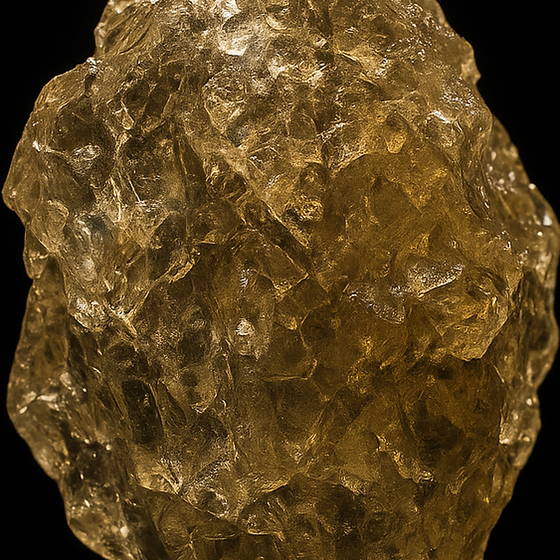
Ethylvanillin perfume ingredient
Base
N/A — synthetic molecule
Definition

Vanillin's stronger sibling — 3-4 times more intense, with a creamier, more confectionery character. Ethylvanill in smells like vanilla concentrate: richer, sweeter, and less layered than the natural extract.

WOODY SWEET WARM CREAMY
Ethyl vanillin, 3-ethoxy-4-hydroxybenzaldehyde
Instruments
Pyramid
TTop
HHeart
BBase
3/5Strength
Medium
odour strength
Tenacity on blotter
400hours · 17 days
1 h6 h24 h3 d7 d400 h
Producing countries
China France United States

Scent

Intense, creamy vanilla — sweeter and more confectionery than vanillin, with a powdery-warm quality. Less woody-balsamic than natural vanilla extract, less spicy than tonka, more purely 'sweet' than any other vanilla molecule. At high concentration it becomes cloying; at moderate doses it is rich and enveloping. The character is more ice cream parlor than vanilla plantation — deliberately smooth, deliberately simple.

The Full Story

Ethylvanill in (CAS 121-32-4) is vanillin's synthetic amplification — the same vanilla archetype, dialed up 3-4 times in intensity and shifted toward creamy, confectionery sweetness. Where vanillin (CAS 121-33-5) retains a woody-balsamic quality that recalls the actual vanilla pod, ethylvanill in is purer and more one-dimensional: vanilla ice cream, vanilla frosting, vanilla as concept rather than as botanical reality.

The molecule is a white crystalline powder, produced entirely by synthesis. It has no significant natural occurrence, unlike vanillin, which appears in vanilla beans, tonka beans, and can be produced from lignin or guaiacol. Ethylvanillin's advantage is potency: because less material is needed to achieve the same vanilla impact, it causes less discoloration in formulas (both vanillin and ethylvanillin yellow over time, but lower concentrations slow the process).

In perfumery, ethylvanillin is ubiquitous. It appears in amber, gourmand, ambery, and floral-sweet compositions. Combined with vanillin, it creates a richer, more layered vanilla than either molecule alone. With coumarin, it produces the classic 'warm amber' base. With ethyl maltol, it shifts into full gourmand territory. The molecule's limitation is its one-dimensionality — it needs supporting materials (benzoin, labdanum, tonka absolute) to avoid reading as flat and synthetic.

Explore all seven extraits in the Discovery Set.

—

Related: Almond · Benzoin · Butterscotch · Caramel · Chocolate · Cinnamon · Coffee · Coumarin

Extraction & Chemistry

Extraction method

Entirely synthetic. Ethylvanillin (3-ethoxy-4-hydroxybenzaldehyde) is produced by chemical synthesis, typically via the Reimer-Tiemann reaction or by ethylation of vanillin. It does not occur naturally in significant amounts. The product is a white crystalline powder with an intense vanilla odor. Soluble in ethanol and hot water. Melting point: approximately 77°C. Unlike vanillin, which can be produced from lignin, guaiacol, or natural vanilla pods, ethylvanillin has no natural source.

Formula
C9H10O3
CAS
121-32-4
Botanical
N/A — synthetic molecule
Appearance
white to off-white powder
Odour strength
Medium
Lasting power
400 hours
Synonyms
Ethyl vanillin, 3-ethoxy-4-hydroxybenzaldehyde
IFRA status
See note

Not subject to an IFRA Standard (51st Amendment)

Physical properties
Boiling point
285.00 to  294.00 °C. @ 760.00 mm Hg
Melting point
76.00 to  78.00 °C. @ 760.00 mm Hg
Flash point
293.00 °F. TCC ( 145.00 °C. )

In Perfumery

Ethylvanillin (CAS 121-32-4) is a synthetic vanilla molecule approximately 3-4 times more potent than vanillin (CAS 121-33-5). It functions as a base-note sweetener and fixative in amber, gourmand, and ambery compositions. Compared to vanillin, ethylvanillin is creamier and more confectionery — it reads as 'vanilla ice cream' where vanillin reads as 'vanilla pod.' The stronger intensity means less material is needed, which reduces discoloration in formulas (both vanillin and ethylvanillin can yellow over time, but lower dosing minimizes this). Ethylvanillin appears in virtually all gourmand fragrances, usually alongside vanillin and ethyl maltol. Combined with coumarin, it creates the classic 'warm sweet' base. With Ambroxan, it produces a modern amber-vanilla effect. Its use is so widespread that it has become the de facto smell of 'vanilla' in commercial perfumery.

Role in the formula
01fixative
02modifier
03backbone
04signature note
05lifting agent
06naturalizer
Available as
synthetic

See Also

5 notes