Phlox

AccordFLOWERSfloral · sweet · fresh
HeartPyramid
—Strength
—Tenacity
1Origins

Editorial noteWe own no rights to this material, its name or its trademark. This entry is independent editorial journalism, published under freedom of expression.

Specimen
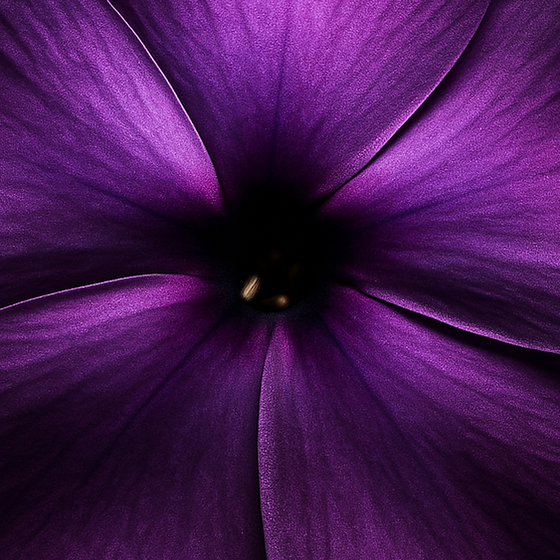
Phlox perfume ingredient
Heart
Phlox paniculata
Fantasy/Concept
Definition

Phlox (Phlox paniculata, garden phlox) is a flowering plant of the phlox family, Polemoniaceae. Its flowers are often strongly fragrant.

FLORAL GREEN SWEET FRESH
fall phlox, garden phlox, perennial phlox, summer phlox, panicled phlox, tall phlox
Type
Accord
Olfactive family
Florals
Subfamily
Green florals
Cluster
Green-fresh florals
Source
Ornamental flowering plant
Instruments
Pyramid
TTop
HHeart
BBase
Producing countries
United States

Scent

The scent is often described as sweet and floral. Most phlox species and cultivars have a light sweet fragrance, though the flowers of Phlox paniculata are often strongly fragrant.

The Full Story

Phlox paniculata, garden phlox, is a species of flowering plant in the phlox family (Polemoniaceae). It is native to parts of the eastern and central United States. It is extensively cultivated in temperate regions as an ornamental plant. In its natural range, it grows along stream banks and in moist wooded areas.

Garden phlox is an erect herbaceous perennial growing to 120 cm tall by 100 cm wide. The flowers are 1.5-2.5 cm in diameter and are borne in summer through fall. They are grouped in panicles, hence the specific epithet paniculata. Typical flower colors in wild populations are pink or purple, rarely white.

Garden phlox is the tallest of the commonly grown species; the native species may grow even taller in ideal growing conditions. Tall phlox, as it is also called, is native from New York to Iowa south to Georgia, Mississippi and Arkansas. It blooms from July to September.

The plant has been used medicinally, with the leaf extract serving as a laxative and to treat boils.

Cultivation and garden use

Phlox paniculata is grown largely for its showy fragrant flowers in high summer. It requires a sheltered spot with full sun or partial shade, in fertile moist soil. Plants may be propagated by division or root cuttings in autumn, or by basal cuttings in spring. They make excellent cut flowers.

The genus Phlox

Phlox is a genus of 68 species of perennial and annual plants in the family Polemoniaceae, found mostly in North America, with one species in Siberia. Flowers of the genus may be pale blue, violet, pink, bright red or white, and many are fragrant. The flowers of garden phlox are held in large terminal clusters 4 to 8 inches wide, and a few cultivars are orange. Phlox attract butterflies, moths, hummingbirds and small mammals.

—

Related: Abelia · Almond Blossom · Alpha Terpineol · Alstroemeria · Alumroot · Amarillys · Amazon Moonflower · Amethyst Flower

Did You Know?

The name Phlox is derived from the Ancient Greek word phlox, meaning flame, in reference to the intense flower colors of some varieties.

Extraction & Chemistry

Botanical
Phlox paniculata
Appearance
Flowers 1.5-2.5 cm in diameter, grouped in panicles; wild colors pink or purple, rarely white
Synonyms
fall phlox, garden phlox, perennial phlox, summer phlox, panicled phlox, tall phlox
IFRA status
See note

No IFRA Standard for the material itself (51st Amendment)

See Also

7 notes