


Karvakrol
PolusintetičkaZAČINIzačinski · biljni · majčina dušica
Srednje notePiramida
3/5Jačina
—Trajnost
3Poreklo
Uzorak
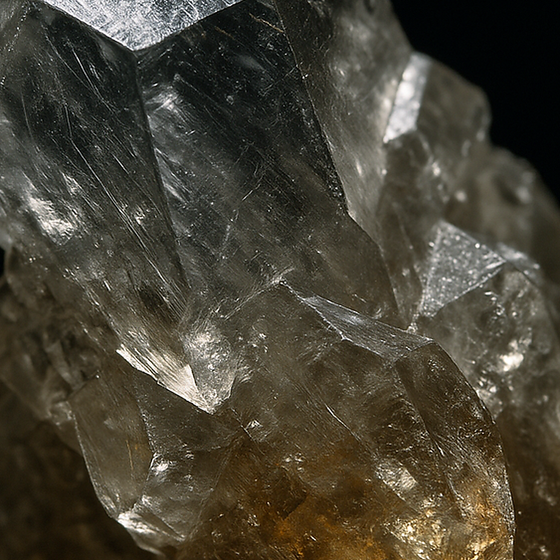
Origanum vulgare
Definicija
Carvacrol is a monoterpenoid phenol. It has a characteristic pungent, warm odor of oregano.
ZAČINSKI BILJNI TOPAO
5-isopropyl-2-methylphenol, 2-methyl-5-(1-methylethyl)phenol, cymophenol, isothymol
- Type
- Sirovina
- Olfactive family
- Začinski
- Source
- essential oils (oregano, thyme)
- Chemical class
- phenol (monoterpenoid)
Instrumenti
Piramida
GGornje note
SSrednje note
BBazne note
3/5Jačina
Srednja
jačina mirisa
Zemlje proizvođači
Maroko Španija Turska
Miris
U parfemima kuće PREMIEREPEAU
Detaljno
Dobijanje i hemija
Način dobijanja
Carvacrol is extracted from Origanum oil by means of a 50% potash solution. It may also be prepared synthetically by a number of routes. The fusion of cymol sulfonic acid with caustic potash results in desulfonation. The dehydrogenation of carvone with a palladium-carbon catalyst has been established. It has also been prepared by transalkylation of isopropylated cresols.
- Formula
- C₁₀H₁₄O
- CAS
- 499-75-2
- Botanički naziv
- Origanum vulgare
- Izgled
- colorless to pale yellow liquid
- Jačina mirisa
- Srednji
- Sinonimi
- 5-isopropyl-2-methylphenol, 2-methyl-5-(1-methylethyl)phenol, cymophenol, isothymol
Status prema standardima IFRA
Pogledajte napomenuNo IFRA Standard for the material itself (51st Amendment)
Fizička svojstva
- Tačka ključanja
- 237–238 °C
- Tačka paljenja
- 100 °C
- Relativna gustina
- 0.976 at 20 °C
U parfemima
Carvacrol is used in perfumes and flavourings. It is used as a food additive and has a role as a flavouring agent.
Uloga u formuli
01modifikator
02toplina
Oblici na tržištu
prirodni izolat sintetički
Pogledajte i
6 nota