


List lantane
PrirodnaZELENE NOTE, BILJE I FUŽERIzelen · biljni
Srednje notePiramida
—Jačina
—Trajnost
1Poreklo
Uzorak
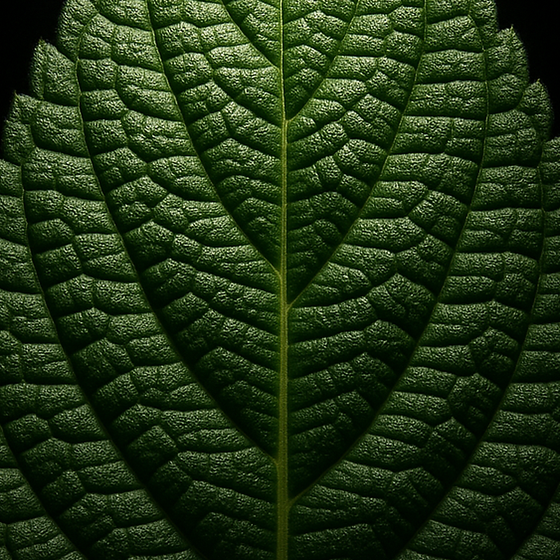
Lantana camara
Definicija
Lantana leaf is the essential oil of the leaves of Lantana camara, a shrub of the verbena family native to the tropics of the Americas.
ZELEN BILJNI
common lantana, lantana, shrub verbena, Spanish flag, wild sage
- Type
- Sirovina
- Olfactive family
- Aromatični
- Source
- leaves
- Chemical class
- essential oil dominated by sesquiterpenes
Instrumenti
Piramida
GGornje note
SSrednje note
BBazne note
Zemlje proizvođači
Obala Slonovače
Miris
U parfemima kuće PREMIEREPEAU
Detaljno
Dobijanje i hemija
Način dobijanja
Leaves of Lantana camara are hydrodistilled to give an essential oil. The yields fluctuated during the harvest periods.
- Botanički naziv
- Lantana camara
- Izgled
- Pale yellow
- Sinonimi
- common lantana, lantana, shrub verbena, Spanish flag, wild sage
Status prema standardima IFRA
Pogledajte napomenuNo IFRA Standard for the material itself (51st Amendment)
Pogledajte i
6 nota