Santol

AkordVOĆE, POVRĆE I ORAŠASTI PLODOVIvoćni · sladak · svež
Srednje notePiramida
3/5Jačina
—Trajnost
2Poreklo
Uzorak
Santol kao sirovina za parfeme
Srednje note
Sandoricum koetjape
Fantazijska/konceptualna
Definicija

Santol is a tropical fruit from Southeast Asia whose sweet, tangy aroma inspires perfumery accords, though it is not directly extracted for fragrance use.

CVETNI CITRUSNI SLADAK VOĆNI TOPAO SVEŽ TROPSKI
COTTONFRUIT WILD MANGOSTEEN
Type
Akord
Olfactive family
Voćni
Source
fruit (not commercially extracted for perfumery)
Chemical class
No commercial perfumery material — santol fruit notes are recreated synthetically
Instrumenti
Piramida
GGornje note
SSrednje note
BBazne note
3/5Jačina
Srednja
jačina mirisa
Zemlje proizvođači
Indonezija Filipini

Miris

Santol presents a pleasant fragrance that is both sweet and tangy, like a tropical paradise. The initial impression is, like a juicy peachcrossed with a hint of citrus zest. As it evolves, the scent reveals deeper layers of soft, velvety sweetness, similar to that of ripe apricots.

Scent Evolution

The overall olfactory experience of santol is bright and cheerful. Its sweet yet slightly tart profile lends itself well to both fruity and floral compositions. The scent smells airy and light.

Detaljno

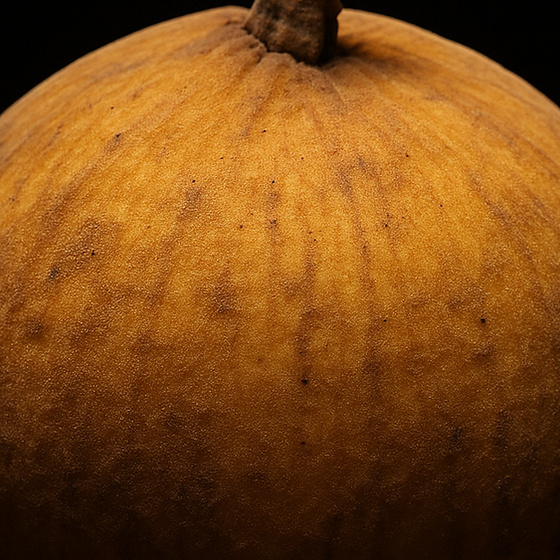
Santol, also known as cottonfruit or wild mangosteen, is a tropical fruit native to Southeast Asia. The fruit grows on tall treesand is characterized by its round shape and soft, fuzzy skin. Traditionally, santol is valued for unique flavor, which combines sweet and tangy notes. In perfumery, santol is gaining recognition for its distinct scent profile, which can add a refreshing and exotic touch to fragrances.

Origin and Production

The harvesting of santol is typically done by hand, so that the fruits are picked at the peak of ripeness. This careful selection process is essential to capture the full essence of the fruit, as the aroma can vary significantly depending on the maturity of the fruit. Santol is often enjoyed fresh, but it can also be used in jams, desserts, and beverages. Its aromatic potential has led perfumers to explore its use in creating scent compositions that carries a sense of tropical paradise.

Chemistry and Scent Profile

in perfumery, santol's significance lies in its ability to impart a fresh and fruity character to fragrances. Its sweet and tangy aroma can carry memories of sunny days and rich landscapes. As the fragrance industry continues to seek out unique and authentic materials, santol is poised to become a more prominent player in niche perfumery.

Chemical Properties

Santol (Molecular Formula: C17 H30 O2). Boiling Point: 311.00 to 312.00 °C. @ 760.00 mm Hg (est). Flash Point: 224.00 °F. TCC ( 106.60 °C. ) (est). Vapor Pressure: 0.000050 mmHg @ 25.00 °C. (est).

Did You Know?

Santol is known for aroma and for its health benefits, including high vitamin C content and digestive properties.

Zanimljivosti

Santol is known for aroma and for its health benefits, including high vitamin C content and digestive properties.

Dobijanje i hemija

Način dobijanja

No standard extraction for perfumery. Santol fruit is consumed as food in Southeast Asia. Santol-type notes in fragrance are achieved via synthetic accords. Not to be confused with Santol Pentenol (Polysantol, CAS 107898-54-4), a synthetic sandalwood aroma chemical.

Formula
N/A — no standard isolate
CAS
N/A — no commercial essential oil
Botanički naziv
Sandoricum koetjape
Izgled
pale yellow to golden liquid
Jačina mirisa
Srednji
Sinonimi
COTTONFRUIT WILD MANGOSTEEN
Status prema standardima IFRA
Pogledajte napomenu

Not applicable: accord or concept, not a single material

Fizička svojstva
Nota
N/A — no commercial essential oil available

U parfemima

In perfumery, santol-inspired accords serve as heart notes, adding fresh and fruity character to compositions. They works with other tropical fruit notes like mango and peach, as well as floral notes such as jasmine and ylang-ylang. Note: not to be confused with Santol Pentenol (Polysantol/Mysantol), which is a synthetic sandalwood aroma chemical unrelated to the fruit.

Uloga u formuli
01modifikator
02nota potpisa
03sredstvo za podizanje
04sirovina za stapanje
05svežina
Oblici na tržištu
sintetički akord fantazijska nota

Pogledajte i

7 nota