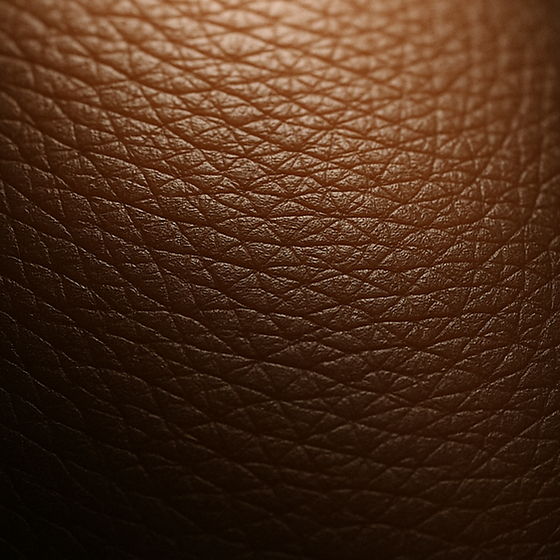
Akord gole kože

AkordMOŠUS, AMBRA I ANIMALNI MIRISImošusni · topao · zemljan
Bazne notePiramida
—Jačina
—Trajnost
—Poreklo
Uzorak
Akord gole kože kao sirovina za parfeme
Bazne note
Fantazijska/konceptualna
Definicija

Musk has been described as something akin to the odor of baby's skin.

ZEMLJAN SLADAK MOŠUSNI TOPAO MLEČAN
Type
Akord
Olfactive family
Ambrasti i mošusni
Instrumenti
Piramida
GGornje note
SSrednje note
BBazne note

Miris

Musk is usually described abstractly as animalistic, earthy and woody. Synthetic musks have a clean, smooth and sweet scent lacking the fecal notes of animal musks. Habanolide is musky, powdery and earthy, with a warm and slightly woody undertone typical of macrocyclic musks. Muscone smells musky, and is described as musk, animal, powdery. Helvetolide has distinctive fruity pear facets and smooth ambrette seed undertones. The seeds of Abelmoschus moschatus have a sweet, flowery, heavy fragrance similar to that of musk. The scent of the iris root differs from that of the flower, and after preparation it is reminiscent of the smell of violets. Orris butter has been described as tenaciously flowery, heavy and woody. Piperonal has a floral odor which is commonly described as being similar to that of vanillin or cherry. Galaxolide's odor is described as a clean, sweet, floral, woody musk.

Detaljno

Human skin odor

Sebaceous glands secrete the oily, waxy substance called sebum, which is made of triglycerides, wax esters, squalene, and metabolites of fat-producing cells. Human sebum is primarily composed of triglycerides (≈41%), wax esters (≈26%), squalene (≈12%), and free fatty acids (≈16%). Wax esters and squalene are unique to sebum and not produced as final products anywhere else in the body. Squalene is a triterpene with the formula C₃₀H₅₀. Sebum is odorless, but its breakdown by bacteria can produce strong odors.

Body odor is primarily the result of the apocrine sweat glands, which secrete the majority of chemical compounds that the skin flora metabolize into odorant substances. Among the main components of human axillary odor are the odoriferous steroids androstenone and androstenol. Androstenol has a characteristic musk-like odor, and it is present in the axillary sweat of humans. Members of Corynebacterium in the skin flora make lipases that break down the lipids in sweat into smaller molecules like butyric acid. These smaller molecules smell, and give body odor its characteristic aroma. Food, drink, gut microbiome, and genetics can affect body odor. The most common volatile compounds detected from healthy skin were decanal, nonanal and octanal.

Musk materials

Synthetic musks are a class of synthetic aroma compounds that emulate the scent of deer musk and other animal musks. They can be divided into three major classes: aromatic nitro musks, polycyclic musk compounds, and macrocyclic musk compounds. Macrocyclic musk compounds are expected to replace the first two groups since they appear to be safer. Synthetic musks are lipophilic compounds and tend to deposit and persist in fat tissues.

Muscone is a macrocyclic ketone and the primary contributor to the odor of deer musk. Muscone is a 15-membered ring ketone with one methyl substituent in the 3-position. The macrocyclic musks extracted from plants are large-ringed lactones, whereas all animal-derived macrocyclic musks are ketones. Habanolide is a liquid synthetic molecule with a measured log P of 5.45 and a molecular weight of 238.37.

Galaxolide is the key synthetic musk ingredient belonging to the polycyclic musk group. Galaxolide, a polycyclic musk, is commonly used in laundry detergents to mask the smell of the detergent chemicals. Galaxolide has a measured bioconcentration factor in fish of 600-1600.

Plant materials

Orris root is the root of Iris germanica and Iris pallida. The most valued component of orris root is oil of orris (0.1-0.2%), a yellow-white mass containing myristic acid. Oil of orris is sometimes sold as orris butter. One ton of iris root produces two kilos of essential oil, also referred to as orris root butter or butter of iris, and it is the most expensive substance used in the fragrance industry.

Abelmoschus moschatus, also called ambrette, is an aromatic and medicinal plant of the family Malvaceae native to Asia and Australia. Its specific epithet moschatus is scientific Latin for 'musk'.

Piperonal, also known as heliotropin, is an organic compound commonly found in fragrances and flavors. Its CAS number is 120-57-0. It occurs naturally in various plants, including dill, violet flowers and black pepper. The compound was named heliotropin after the 'cherry pie' notes of the heliotrope flower's fragrance, although the chemical is not present in the flower's true aroma. In flavors, it adds hay-like, floral and powdery notes to a wide range of food preparations.

The technical difficulty is calibration. A skin accord must register as intimate, not projecting. Warm, not sweet. Present, not announcing. Doppel Dancers by PREMIEREPEAU occupies this territory — twin iris concretes (French Pallida, Italian Fiorentina), black sesame, and a tender skin accord that dissolves into the wearer's own chemistry.

This note in PREMIEREPEAU. Doppel Dancers. Sample all seven extraits in the Discovery Set.

—

Related: Aldron · Ambretone · Ambrette Musk Mallow · Ambrettolide Natural Musk · Ambrinol · Coral Reef · Cyclopentadecanolide · Exaltolide

Zanimljivosti

A systematic review of 29 studies identified 822 volatile compounds from human skin in 935 participants. In the 22 studies of healthy subjects, the volatolome consisted of aldehydes (18%), carboxylic acids (12%), alkanes (12%), fatty alcohols (9%) and ketones (7%), among other classes.

Dobijanje i hemija

Način dobijanja

Human skin volatiles are commonly sampled from the hand or forearm using an absorbent patch and analysed by gas chromatography mass spectrometry. The volatiles in the sample materials are released by thermal desorption before analysis. Orris root goes through an initial drying period, which can take five years or more, and is then ground; for uses other than potpourri the powder is dissolved in water and distilled. One ton of iris root produces two kilos of essential oil. Muscone has been made from (+)-citronellal by closing the 15-membered ring through ring-closing metathesis. Piperonal can be prepared by the oxidative cleavage of isosafrole, or by a multistep sequence from catechol or 1,2-methylenedioxybenzene.

Status prema standardima IFRA
Pogledajte napomenu

No IFRA Standard for the material itself (51st Amendment)

U parfemima

Most musk fragrance used in perfumery today is synthetic. Synthetic musks are used as flavorings and fixatives in cosmetics, detergents, perfumes and foods, supplying the base note of many perfume formulas. Habanolide is a very powerful musk that combines the strength and tenacity of the aromatic musks with the pleasantness and elegance of the macrocyclic musks. In fine fragrance, Habanolide is a heart and base note. Musky-smelling macrocyclic lactones from plants such as Angelica archangelica or Abelmoschus moschatus are used in perfumery as substitutes for animal musk or to alter the smell of a mixture of other musks. Musk mallow seed oil was once frequently used as a substitute in perfumes for animal musk; this use is now mostly replaced by various synthetic musks due to its high cost. Orris root is commonly used as a fixative and base note in perfumery. Piperonal is commonly used to add vanilla or almond nuances, generally imparting balsamic, powdery, and floral aspects to a scent's character.

Uloga u formuli
01modifikator
02nota potpisa
03sirovina za stapanje
04naturalizator
05graditelj volumena
Oblici na tržištu
mirisni akord

Pogledajte i

7 nota