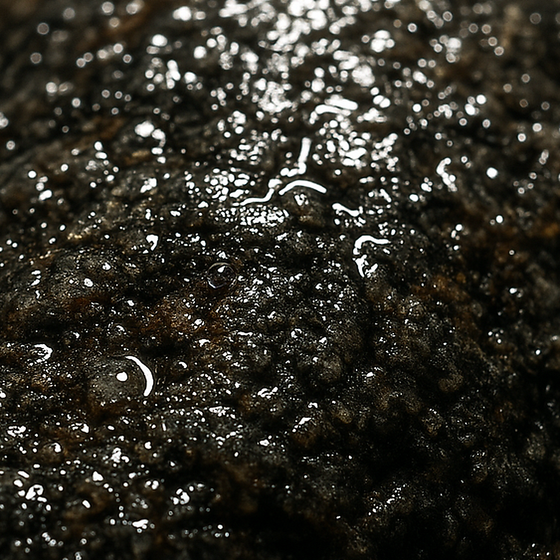
Mokar kamen

AkordPRIRODNO I SINTETIČKO, POPULARNO I NEOBIČNOsvež · zemljan · metalan
Srednje notePiramida
—Jačina
—Trajnost
—Poreklo
Uzorak
Mokar kamen kao sirovina za parfeme
Srednje note
Fantazijska/konceptualna
Definicija

Wet stone is one of the images that mineral notes evoke in perfumery, along with flint, slate and sea salt. Mineral notes give a sensation of cold freshness and natural depth.

ZEMLJAN VODENI PROHLADAN SVEŽ MINERALAN
Type
Akord
Olfactive family
Vodeni
Instrumenti
Piramida
GGornje note
SSrednje note
BBazne note

Miris

A mineral note is a cold, dry olfactory sensation reminiscent of wet stone, slate or salt. The most widespread facet is known as wet asphalt or stone after rain, which English speakers call petrichor. There are also salty variations, close to sea spray, and chalky, almost powdery facets. Some formulations play on cold metal, others on warm sand.

Detaljno

Petrichor is the earthy scent often associated with rain falling on dry soil or rock. The smell is associated with oils that accumulate in rocks and soil during dry periods and are released by moisture. The word is derived from the Greek words for stone and ichor, which in Greek mythology is the ethereal blood of the gods.

History of petrichor

Isabel Bear and Richard Thomas, scientists at CSIRO, first described petrichor in a paper published in the journal Nature in March 1964. Thomas coined the term to refer to what had previously been known as argillaceous odour.

How the smell reaches the air

When a raindrop hits a porous surface, it traps tiny air bubbles at the point of contact, and the bubbles then shoot upward, bursting in a fizz of aerosols. The researchers suspect that, in natural environments, aerosols may carry aromatic elements, along with bacteria and viruses stored in soil. The team observed that more aerosols were produced in light and moderate rain, while far fewer aerosols were released during heavy rain.

Geosmin

Geosmin is a chemical with a distinct earthy or musty odor. It is a contributor to the strong scent known as petrichor, which occurs when rain falls after a spell of dry weather or when soil is disturbed. Geosmin is a bicyclic alcohol with the formula C₁₂H₂₂O. The main genus in the Actinomyces that produces geosmin is Streptomyces. Its name comes from the Greek for earth odour. The smell of geosmin was first identified in 1891, while the isolation and structure of the molecule were reported only in 1965, and its synthesis in 1968.

Explore all seven extraits in the Discovery Set.

—

Related: Aqual · Aquozone · Asphalt · Calone · Calone 1951 · Coral Limestone · Crustaceans · Diving Suit

Dobijanje i hemija

Način dobijanja

Bear and Thomas obtained the yellowish oil responsible for the smell of petrichor by steam distilling rocks that had been exposed to warm, dry conditions in the open. Geosmin is produced by bacteria, especially cyanobacteria, often present in soil and water supplies. It is made from farnesyl pyrophosphate in a two-step Mg²⁺-dependent reaction.

Status prema standardima IFRA
Pogledajte napomenu

No IFRA Standard for the material itself (51st Amendment)

U parfemima

Mitti attar is a perfume recreating the loamy smell of rain. A small perfumery industry in India had captured the smell of rain in sandalwood oil and called it earth perfume. The earthy note of geosmin may add a fresh scent to perfumes and fragrances, at least at low concentrations.

Uloga u formuli
01modifikator
02okosnica
03nota potpisa
04sirovina za stapanje
05naturalizator
06graditelj volumena
Oblici na tržištu
mirisni akord

Pogledajte i

7 nota