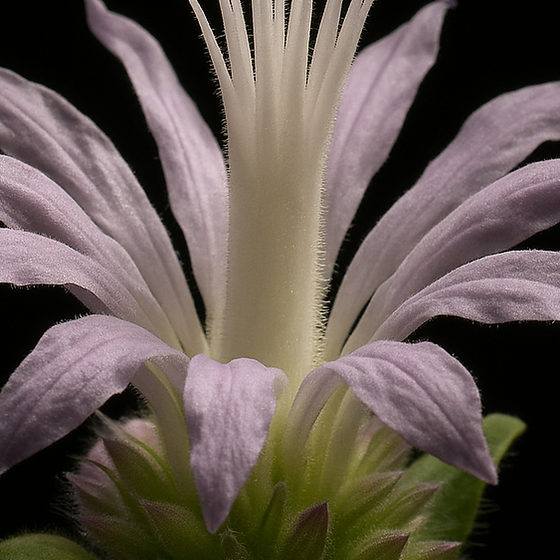
The tree that bears bergamot blossom is Citrus bergamia, a plant of the Rutaceae family that is defined as a hybrid of bitter orange and lemon. It is a small tree that blossoms during the winter. When in bloom, the tree is covered with a multitude of fragrant white flowers. The leaves are big, dark green and ovate, similar to those of lemon, and the fruits are round and yellow. The word bergamot comes from the French bergamote, which comes from the Italian bergamotta, named for Bergamo. The bergamot orange is unrelated to the herbs known as bergamot, wild bergamot, bergamot mint or bergamint, which are in the mint family and are named for their similar aroma.
Origin and Production
The botanical and geographical origins of the plant are still uncertain. It may be native of the Calabria region of Italy, as a result of mutations from other species. Alternatively, it may come from the Antilles, Greece and the Canary Islands, from where Christopher Columbus brought it. The name bergamot may also derive from Berga, the Spanish city from which the plant was later carried to Calabria. Bergamot trees are cultivated almost exclusively along the southern coast of Calabria, which supplies more than 90% of the world production of bergamot. Production is on a large scale in the Ionian Sea coastal areas of the province of Reggio di Calabria. In Calabria the bergamot grows at the foot of steep, high mountains that shelter the region from the cold northern winds, with warm African air and fertile alluvial soils. To protect the reputation of their produce, the Italian government introduced tight controls, including testing and certificates of purity.
The Fruit
The fruit is small and turns from green to yellow as it ripens, and its pulp is sour and bitter. The essential oil of bergamot sits in the oily sacs of the pericarp, the peel of the fruit. The fruit is harvested from the arrival of cold days at the end of November, usually until about the end of February.
Citrus Blossoms in Perfumery
Flowers and blossoms are the largest and most common source of perfume aromatics, and they include the blossoms of citrus trees.