List betela

PrirodnaZELENE NOTE, BILJE I FUŽERIfenolni · katran · dimni
Srednje notePiramida
—Jačina
—Trajnost
5Poreklo
Uzorak
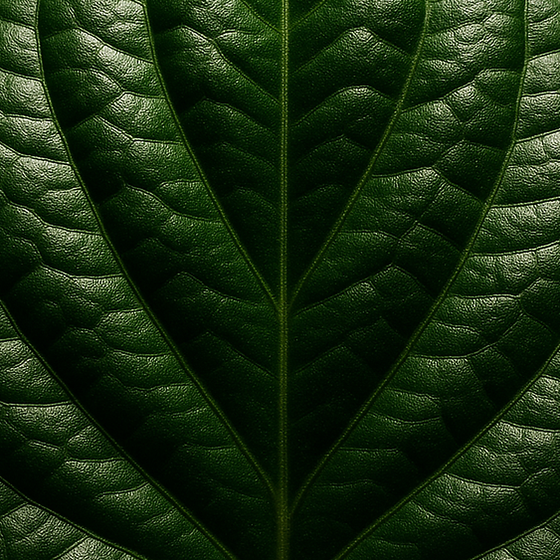
List betela kao sirovina za parfeme
Srednje note
Piper betle
Definicija

Betel leaf oil is the volatile oil obtained by the steam distillation of the leaves of the pepper Piper betle L. (Piperaceae). Its odour is described as phenolic, tar, smoky and like mate leaves.

PHENOLIC TAR SMOKY MATE LEAVES
piper betle leaf oil
Type
Sirovina
Olfactive family
Aromatični
Source
leaves
Chemical class
complex natural (essential oil)
Instrumenti
Piramida
GGornje note
SSrednje note
BBazne note
Zemlje proizvođači
Indija Bangladeš Šri Lanka Indonezija Tajland

Miris

The odour type is phenolic, with tar-like, smoky facets reminiscent of mate leaves.

Teroar i prerada

Detaljno

Betel (Piper betle) is a species of flowering plant in the pepper family Piperaceae, native to Southeast Asia. It is an evergreen vine with glossy heart-shaped leaves and white catkins. The word betel comes from the Malayalam and Tamil word vettila, by way of Portuguese.

The oil contains monoterpenes, sesquiterpenes, phenylpropanoids and aldehydes. Its constituents depend strongly on botanical origin, age of the plant and harvesting time. The chemistry of betel leaf varies geographically and is mostly chavibetol dominant.

In oil from different places in India, phenylpropanoids such as acetyl eugenol, eugenol, chavicol and safrole were the major components. Oil from the Sagar Bangla cultivar contained chavicol, but oil from the Magahi cultivar did not. Eugenol has been reported at 40% of the oil, with carvacrol and chavicol together at up to 40%.

Safrole is a major component of Sri Lankan Piper betle. In oil from Sri Lanka, safrole was reported at 52.7%, eugenyl acetate at 5.8%, allylpyrocatecholdiacetate at 15.4% and eugenol at 6.4%. Hydroxychavicol, also known as 4-allyl-catechol, is a major catecholic component of betel leaves.

The betel leaf is cultivated mostly in South and Southeast Asia, from India to Papua New Guinea. The vine needs a compatible tree or a long pole for support. It requires well-drained fertile soil, and waterlogged, saline and alkali soils are unsuitable. About a hundred varieties of betel plants are found across the world.

The leaves are most commonly used as a flavoring in betel quid, which is chewed with areca nut. The preparation combining areca nut, slaked lime and betel leaves is called a betel quid, or paan or pan in South Asia, and its exact composition varies geographically. Chewing results in permanent red stains on the teeth after prolonged use. Betel nut chewing is addictive and causes adverse health effects, mainly oral and esophageal cancers and cardiovascular disease. It is estimated that around 600 million people worldwide regularly use this preparation.

—

Related: Acronychia Pedunculata · Adoxal · Agave · Algae · Aloe Vera · Aromatic Notes · Asparagus · Avocado

Dobijanje i hemija

Način dobijanja

Betel leaf oil is obtained by steam distillation of the leaves of Piper betle L. In a comparison of ways to extract hydroxychavicol from the leaves, hydrodistillation gave the lowest yield (2%) and boiling water the highest (98%).

Formula
Complex natural mixture (key constituents: eugenol C₁₀H₁₂O₂; chavicol C₉H₁₀O)
CAS
84775-81-5
Botanički naziv
Piper betle
Izgled
Yellow to brown clear liquid
Sinonimi
piper betle leaf oil
Status prema standardima IFRA
Pogledajte napomenu

No IFRA Standard for the material itself (51st Amendment)

Fizička svojstva
Relativna gustina
0.958 to 1.057

U parfemima

The use categories given for betel leaf oil are deodorant, masking, oral care and skin conditioning. Products made from betel leaf in powder, capsule and liquid form are sold in oral care, cosmetics and pharmaceutical products, and as beverages.

Uloga u formuli
01modifikator
02sirovina za stapanje
03fiksativ
04nota potpisa
Oblici na tržištu
eterično ulje apsolut

Pogledajte i

7 nota