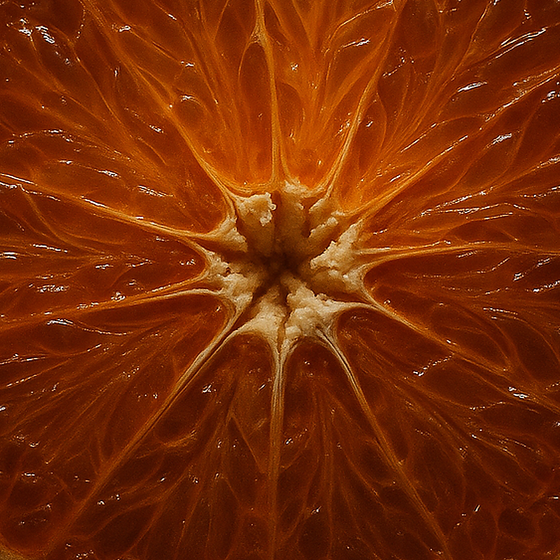
Gorka pomorandža

PrirodnaCITRUSNI MIRISIcitrusni · gorak · svež
Gornje notePiramida
—Jačina
—Trajnost
5Poreklo
Uzorak
Gorka pomorandža kao sirovina za parfeme
Gornje note
Citrus × aurantium
Definicija

Bitter orange is the fruit of the hybrid citrus tree Citrus × aurantium; its oil is typically cold pressed from the rinds.

CITRUSNI GORAK SVEŽ ZELEN
Sour orange, Seville orange, bigarade, bigarade orange, marmalade orange
Type
Sirovina
Olfactive family
Citrusni
Source
fruit peel
Chemical class
monoterpene-hydrocarbon essential oil (expressed)
Instrumenti
Piramida
GGornje note
SSrednje note
BBazne note
Zemlje proizvođači
Tunis Maroko Egipat Paragvaj Francuska

Miris

Dry, fresh, leafy, orange and woody. A second published description gives citrus, brown, fruity, pound cake and Madeira-like.

Detaljno

The tree and its fruit

The bitter orange, also called sour orange, Seville orange or bigarade orange, is the hybrid citrus tree species Citrus × aurantium, and its fruit. It is native to Southeast Asia and has been spread by humans to many parts of the world. It is a cross between the pomelo, Citrus maxima, and the wild type mandarin orange, Citrus reticulata. The peel of Citrus aurantium is thick, richer in pectin than sweet orange peel, and holds more essential oil than the peel of other Citrus species. The tree is generally used as a rootstock, and it resists several viral diseases and tolerates cold. The raw pulp is not usually eaten. The Seville orange is used to make British orange marmalade, being higher in pectin than the sweet orange and therefore giving a better set and a higher yield.

One tree, several oils

Neroli is distilled from the blossoms of the tree, and petitgrain from its leaves and sometimes the twigs and branches. Petitgrain bigarade oil is distilled from the same botanical species as neroli and bitter orange essential oil, yet it has a unique aroma of its own. Neroli oil smells sweet, honeyed and somewhat metallic, with green and spicy facets. Tunisia, Morocco and Egypt are the leading producers of neroli. The main regions of production of petitgrain are Paraguay and France. Distillation of the flowers gives orange blossom water at 99.9% and neroli oil at only 0.1% of the distillation products.

Chemistry

In a study of trees growing in Northern Greece, the peel oil was made up almost entirely of monoterpene hydrocarbons (98.30%), mainly limonene. In that study the main compounds of the peel oil were limonene (94.67%), myrcene (2.00%), linalool (0.76%), β-pinene (0.62%) and α-pinene (0.53%). In a Tunisian study, limonene was the major volatile compound of the peel, at 90%. In Italian peel, monoterpene hydrocarbons made up 72.5% and oxygenated monoterpenes 7%, with limonene the major component at 66%. Petitgrain bigarade oil contains linalyl acetate (45%) and linalool (20%) among its main components.

Uses in food and drink

In many countries an oil is pressed from the fresh peel of ripe fruit and used in ice creams, puddings, sweets, soft and alcoholic drinks, and pharmaceuticals.

Safety and storage

Bitter orange oil carries a low risk of phototoxicity, while neroli and petitgrain oils are not phototoxic. Bitter orange oil was neither irritating nor sensitizing to 25 volunteers when tested at 10%. The oil is kept in a cool, dry place in tightly sealed containers, protected from heat and light.

Zanimljivosti

Petitgrain gets its name, French for little grain, from the fact that it used to be extracted from the unripe small green fruits of the plant. Bitter orange, or bigarade, was used in all early recipes for duck à l'orange, which was originally called canard à la bigarade.

Dobijanje i hemija

Način dobijanja

Bitter orange oil is typically cold pressed from the rinds of the fruits. An essential oil is also extracted from the peel of dried, unripe bitter oranges. The essential oil content of the peel has been reported to range between 0.1 and 1.7%.

Formula
Complex natural mixture (key constituents: limonene C₁₀H₁₆; myrcene; linalool; β-pinene)
CAS
68916-04-1
Botanički naziv
Citrus × aurantium
Izgled
Pale yellow to yellow clear liquid
Sinonimi
Sour orange, Seville orange, bigarade, bigarade orange, marmalade orange
Status prema standardima IFRA
Ograničeno

Restricted — IFRA Standard « Bitter orange peel oil expressed » (Amendment 49)

Fizička svojstva
Tačka paljenja
118 °F. TCC (47.78 °C.)
Relativna gustina
0.84500 to 0.85100 @ 25.00 °C
Indeks prelamanja
1.46900 to 1.47800 @ 20.00 °C

U parfemima

Undiluted essential oils of Citrus aurantium are sold at a high price on the international market of aromatherapy, perfume and cosmetic industry. Neroli oil, from the flowers of the same tree, is also employed in perfumes. Petitgrain, from the leaves and twigs, is used in perfumery and aromatherapy as fresh-scented essential oils.

Uloga u formuli
01modifikator
02svežina
Oblici na tržištu
ulje dobijeno hladnim ceđenjem

Pogledajte i

8 nota