


List karanfilića
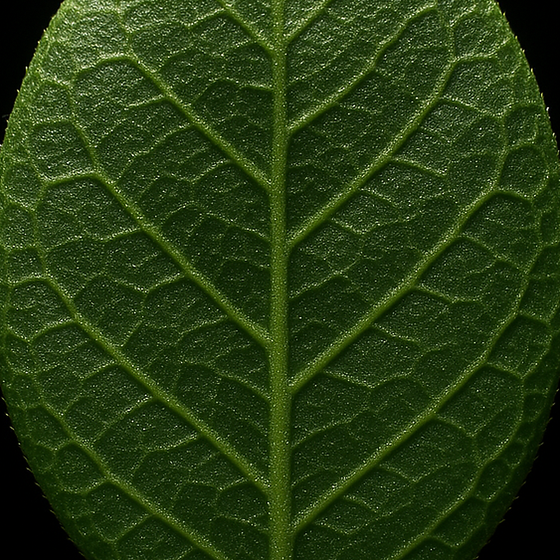
Harsh, eugenol-heavy, less clean than clove bud. The leaves of Syzygium aromaticum — cheaper, rougher, and more phenolic than the bud oil used in fine perfumery.
- Type
- Sirovina
- Olfactive family
- Začinski
- Source
- spice
- Chemical class
- complex natural (essential oil)
Miris
Teroar i hemotipovi
Detaljno
Zanimljivosti
Eugenol from clove leaf oil was once the starting material for most of the world's synthetic vanillin. The process, developed in the late 19th century, involves converting eugenol to isoeugenol and then oxidizing it to vanillin. Today, most synthetic vanillin comes from guaiacol or lignin instead, but the clove-to-vanilla pathway remains chemically restrained.
Dobijanje i hemija
Način dobijanja
Steam distillation of Syzygium aromaticum leaves. The oil is a dark brown liquid with 82-88% eugenol. Yields are approximately 2-3% from dried leaves. Major production in Indonesia, Madagascar, and Tanzania. Significantly cheaper than clove bud oil, which yields only 15-20% from dried buds.
- Formula
- Complex mixture (no single formula)
- CAS
- 8015-97-2
- Botanički naziv
- Syzygium aromaticum
- Izgled
- Pale yellow to dark brown liquid
- Jačina mirisa
- Srednji
- Sinonimi
- CLOVE OIL CLOVE BUD OIL CLOVE LEAF OIL
Restricted (IFRA — high eugenol content, sensitization potential)
- Tačka paljenja
- 225.00 °F. TCC ( 107.22 °C. )
- Relativna gustina
- 1.03800 to 1.06000 @ 25.00 °C.
- Indeks prelamanja
- 1.52800 to 1.53800 @ 20.00 °C.
U parfemima
Clove leaf oil is primarily an industrial eugenol source rather than a fine-fragrance ingredient. It provides raw clove-phenolic character at lower cost than bud oil. Used in functional perfumery, dental products, and as a feedstock for vanillin production. In fine fragrance, clove bud oil or synthetic eugenol are preferred for their greater refinement. Compatible with other phenolic spices and warm bases.
Pogledajte i
8 nota