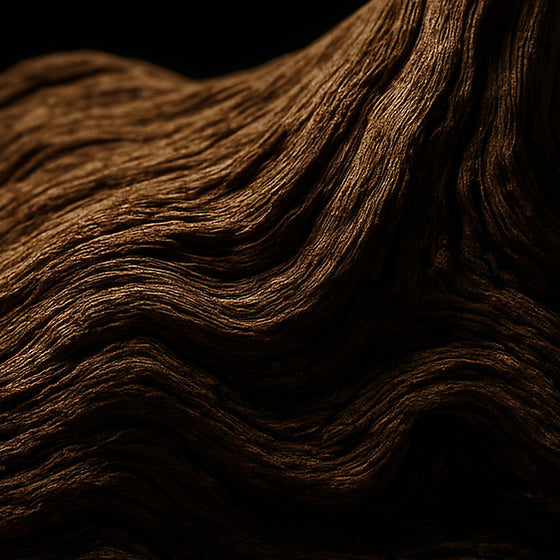
Most driftwood is the remains of trees, in whole or part, that have been washed into the ocean, due to flooding, high winds, or other natural occurrences, or as the result of logging. Gribbles, shipworms and bacteria decompose the wood and gradually turn it into nutrients that are reintroduced to the food web. Partially decomposed wood sometimes washes ashore, where it shelters birds, plants and other species, and driftwood can become the foundation for sand dunes.
Drift Lumber
A subset of driftwood is known as drift lumber, which includes the remains of man-made wooden objects, such as buildings and their contents washed into the sea during storms. Drift lumber also covers wooden objects discarded into the water from shore, dunnage or cargo lost from ships, and the remains of shipwrecked wooden ships and boats. Erosion and wave action may make it difficult or impossible to determine the origin of a particular piece of driftwood.
Ecology
As pieces of driftwood are more difficult for wind and water to displace than grains of sand, driftwood creates pockets of stability on beaches, allowing organisms that would not be able to survive on open sand to become established there. Driftwood logs can trap windblown sand, causing temporary sand dunes to form which may then be stabilized by beach grasses. Driftwood also catches seeds and dead organic matter, which creates germination sites for plants. Open-ocean fish sometimes congregate around pieces of driftwood that have not yet washed ashore. Some fish feed on fungi and plankton growing on the floating wood, while others use it as shelter from predators. Driftwood that has become waterlogged and sunk to the bottom of the ocean has been proposed as a way by which organisms became established in communities on the abyssal plain. Humans sometimes remove driftwood from beaches for aesthetic reasons, and such cleaned beaches show lower species diversity of both plants and invertebrates.
Decline
Early photographs of the Pacific coast of North America show greater amounts of driftwood on the beaches than there are today. Industrial logging has reduced forest cover globally, which decreases the amount of wood entering rivers. Much of the wood that enters rivers is caught behind dams and removed before it can reach the sea.
Uses
Driftwood can be used as part of decorative furniture or other art forms, and is a popular element in the scenery of fish tanks. Driftwood sculptures are sculptures that are made of driftwood found on beaches or along riverbanks. At Kullaberg, Sweden, Lars Vilks created the driftwood artwork Nimis in 1980, and each January the Driftwood and Sand festival is held in Hokitika, New Zealand. Driftwood is commonly used to make temporary shelters on beaches. Kayaks and umiaks were built on driftwood frames covered in skins, and driftwood was also used for tools, utensils, weapons and semisubterranean dwellings of wood and sod. The EPA lists driftwood among the items that should never be burned in a wood-burning appliance, because it will release toxic chemicals when burned. The government of British Columbia also advises against burning driftwood, as dioxins may be released from the reaction of chloride ions with other materials in the smoke.
Explore all seven extraits in the Discovery Set.
—
Related: Alder · Alpha Humulene · Amaranth · Amberever · Amburana Bark · Amyris · Antillone