


List masline
PrirodnaZELENE NOTE, BILJE I FUŽERIsvež · zelen · drvenast
Srednje notePiramida
—Jačina
—Trajnost
—Poreklo
Uzorak
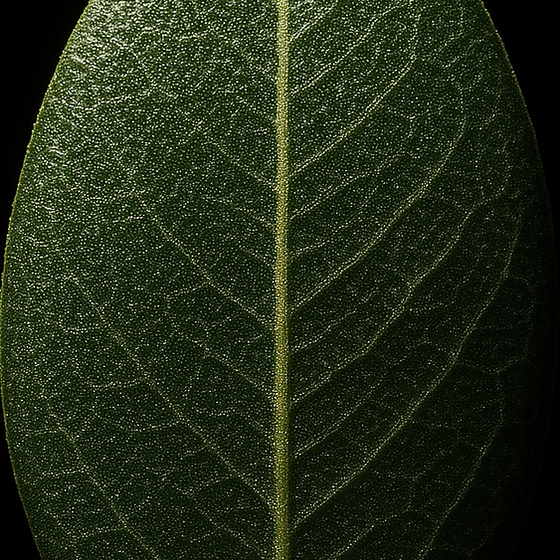
Olea europaea
Definicija
Olive leaf is the leaf of the olive tree (Olea europaea). Olive leaves have a sharp bitter taste when consumed.
DRVENAST CVETNI ZELEN ZEMLJAN SLADAK BILJNI SVEŽ
- Type
- Sirovina
- Olfactive family
- Aromatični
- Source
- leaves
- Chemical class
- polyphenol-rich plant material (secoiridoid oleuropein)
Instrumenti
Piramida
GGornje note
SSrednje note
BBazne note
Miris
U parfemima kuće PREMIEREPEAU
Detaljno
Zanimljivosti
The Oliveira de Mouchão in Mouriscas, Abrantes, Portugal, has a claimed age of 3,350 years. Olive trees have been venerated for their resilience and longevity since antiquity.
Dobijanje i hemija
Način dobijanja
The essential oils obtained were dried with anhydrous sodium sulfate.
- Formula
- Complex natural mixture (key constituents: oleuropein C₂₅H₃₂O₁₃; hydroxytyrosol)
- Botanički naziv
- Olea europaea
- Izgled
- Narrow, oblong leaves, dusty green on top and silvery-white underneath
Status prema standardima IFRA
Pogledajte napomenuNo IFRA Standard for the material itself (51st Amendment)
Fizička svojstva
- Tačka topljenja
- -6 °C
- Relativna gustina
- 0.909-0.915
- Indeks prelamanja
- 1.466-1.468
Pogledajte i
7 nota