Indijska smokva

AkordVOĆE, POVRĆE I ORAŠASTI PLODOVIvoćni · svež · sladak

Sedam parfemaJedan od njih vas posmatra

Srednje notePiramida
—Jačina
—Trajnost
1Poreklo
Uzorak
Indijska smokva kao sirovina za parfeme
Srednje note
Opuntia ficus-indica
Fantazijska/konceptualna
Definicija

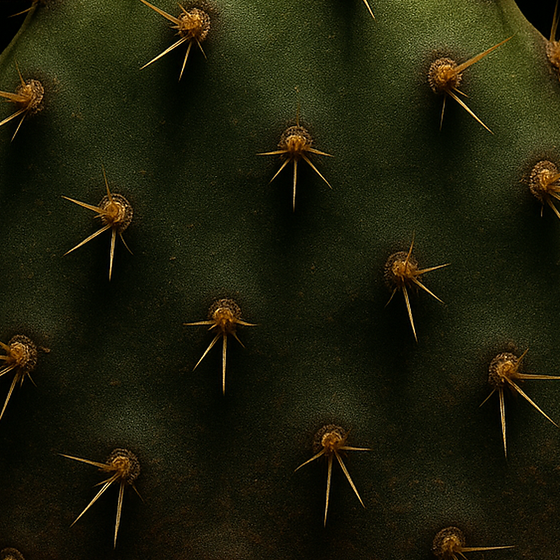
Prickly pear is the common name of the Opuntia cacti and also refers to their fruit. As a fragrance note it imparts a watery-green facet, reminiscent of a subtly sweet cactus fruit.

ZELEN SLADAK VOĆNI BILJNI TOPAO SVEŽ
Cactus pear, Indian fig, Barbary fig, tuna
Type
Akord
Olfactive family
Voćni
Source
fruit
Chemical class
complex natural (polyphenols, betalains)
Instrumenti
Piramida
GGornje note
SSrednje note
BBazne note
Zemlje proizvođači
Meksiko

Miris

Prickly pear is often described as refreshing and light, and it adds a slightly tart and airy quality. The note evokes the desert landscape with its arid, almost mineral-like undertones.

Detaljno

Opuntia is a genus of flowering plants in the cactus family Cactaceae. Prickly pear is the common name of the Opuntia cacti and is also used for their fruit. Cactus pear, Indian fig and Barbary fig are further English names for Opuntia ficus-indica and its fruit. Prickly pears are native only to the Americas. The fruits of Opuntia ficus-indica vary in colour among cultivars, from green to white, yellow to orange and red to purple. They have a taste similar to sweet watermelon.

Origin and Production

Opuntia ficus-indica originates from Mexico. It can grow in arid and semiarid regions at high temperatures and low water availability. The flowers first appear in early May through the early summer in the Northern Hemisphere, and the fruits ripen from August through October. The commercial use of Opuntia ficus-indica is for its large, sweet fruits, called tunas. Mexico is an area with significant cultivation of tunas. Opuntia ficus-indica is the most widespread and most commercially important cactus, grown primarily as a fruit crop and also for the vegetable nopales. Commercial yields of Opuntia differ widely with location, cultivar and growing technique. Harvests above 20 tonnes of fruit per hectare are common in Israel, Italy and irrigated parts of Mexico, a few cases of 50 tonnes have been reported, and output is lower in most arid and rainfall-dependent places. The Opuntia plant has been introduced to Australia, southern Europe, the Middle East and parts of Africa.

Chemistry

The red color of the fruit and juice is due to betalains, betanin and indicaxanthin. Betalains include two classes of compounds: betacyanins (red-violet) and betaxanthins (yellow). The fruit contains vitamin C, at 25-30 mg per 100 g. It was once used to mitigate scurvy. The plant also contains flavonoids, such as quercetin and isorhamnetin.

Uses

The fruits are commercialized in many parts of the world and eaten raw. The fruit, called tuna, is commonly eaten in Mexico and the Mediterranean region and is also used to make aguas frescas. Jams and jellies made from the fruit resemble strawberries and figs in color and flavor. Mexicans use Opuntia fruit to make an alcoholic drink called colonche. The young cladodes are cooked and eaten as a vegetable known as nopalitos. Opuntia ficus-indica is cultivated in nopalries as a host plant for cochineal insects, which produce desirable red and purple dyes.

Zanimljivosti

Cactus stores water in its pads and can provide up to 180 tonnes of water per hectare, enough to sustain five adult cows. A special kind of photosynthesis, crassulacean acid metabolism, allows the plant to take in water during the night.

Dobijanje i hemija

Način dobijanja

To prepare the seeds, they are separated from the fruit, then cleaned, dried and ground. Solvent extraction in a Soxhlet apparatus is the most frequently reported method, and the solvent affects the yield: in one comparison, 2-methyloxolane gave 9.55 g of oil per 100 g of seed and n-hexane gave 8.86 g.

Formula
Complex natural mixture (key constituents: betanin; indicaxanthin)
Botanički naziv
Opuntia ficus-indica
Izgled
Bright red/purple or white/yellowish flesh (fruit)
Sinonimi
Cactus pear, Indian fig, Barbary fig, tuna
Status prema standardima IFRA
Pogledajte napomenu

No IFRA Standard for the material itself (51st Amendment)

U parfemima

Prickly pear is used as a fragrance note that gives compositions a watery-green facet. In compositions, prickly pear can lend a delicate touch of vegetal freshness or a juicy, fruity sweetness.

Uloga u formuli
01nota potpisa
02sredstvo za podizanje
03sirovina za stapanje
04naturalizator
05graditelj volumena
06svežina
Oblici na tržištu
sintetički akord fantazijska nota

Pogledajte i

8 nota