Satensko drvo

AkordDRVA I MAHOVINEdrvenast · kremast · topao
Srednje notePiramida
—Jačina
—Trajnost
2Poreklo
Uzorak
Satensko drvo kao sirovina za parfeme
Srednje note
Chloroxylon swietenia, Zanthoxylum flavum
Definicija

Satinwood is a perfumery accord that evokes the scent of satinwood, the name first given to the timbers of Chloroxylon swietenia and Zanthoxylum flavum. Its smell is a smooth, creamy and lightly sweet wood with a gentle citrus-peel brightness.

Boisé
100
Terreux
76
Vert
51
Fumé
42
Résineux
39
Doux
53
East Indian satinwood, Ceylon satinwood, West Indian satinwood, satin wood
Type
Akord
Olfactive family
Drvenasti
Instrumenti
Piramida
GGornje note
SSrednje note
BBazne note
Zemlje proizvođači
Indija Šri Lanka

Miris

Smooth, creamy and lightly sweet wood with a gentle citrus-peel brightness. East Indian satinwood timber has a faint, pleasing scent when being worked. West Indian satinwood timber has a faint, coconut-like scent when being worked.

Teroar i zrelost

Detaljno

The original satinwoods

Satinwood may refer to several woods. Chloroxylon swietenia, the Ceylon satinwood or East Indian satinwood, and Zanthoxylum flavum, the West Indian satinwood, are considered to be the original satinwoods. Various other woods that can be polished to a high gloss also carry the name. Both true satinwood species come from the Rutaceae family.

Chloroxylon swietenia is a tropical hardwood. It is native to southern India, Sri Lanka and Madagascar. Zanthoxylum flavum is a medium-sized tree. It is native to Cuba, Jamaica, the Bahamas and the Florida Keys, among other places.

The wood

The heartwood of both true satinwoods ranges from light to golden yellow to orangish brown. The texture of both species is fine and even, with a very high natural luster. Both woods are difficult to work because of their high density and interlocked grain, yet they turn superbly and can take a high natural polish. East Indian satinwood is rated as very durable regarding decay resistance, though susceptible to insect attack.

The wood is used for veneer, inlays, fine furniture, turned objects and other small specialty items.

Conservation and supply

Zanthoxylum flavum is vulnerable on the IUCN Red List. It is threatened by habitat loss and harvesting for its dense, durable wood. East Indian satinwood is vulnerable because of a population reduction of over 20% in the past three generations, caused by a decline in its natural range and exploitation. It is increasingly scarce, with very high prices, and is typically available only in veneer form.

—

Related: Almond Tree · Ambrox Super · Amburana Wood · Amyris · Blonde Woods · Caoutchouc · Cashalox · Cashmir Wood

Zanimljivosti

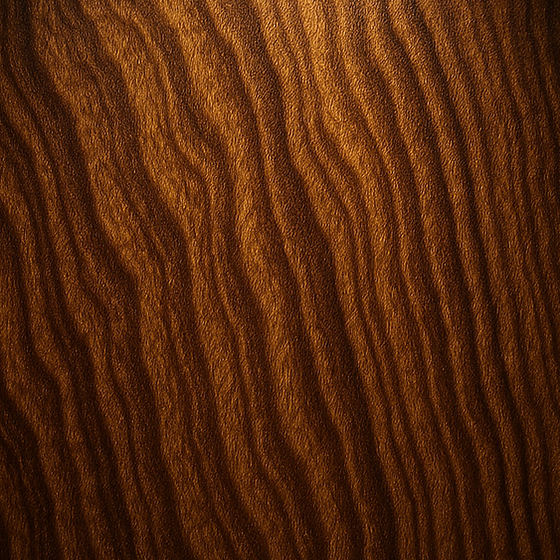
The grain of both true satinwoods is frequently mottled or rippled, resembling ripples in satin fabric, which gives the wood its name. Sustainable supplies of West Indian satinwood have been exhausted for over one hundred years, and the wood is for all intents and purposes commercially unavailable.

Dobijanje i hemija

Način dobijanja

As a perfume note, satinwood is a blend built to evoke the scent.

Botanički naziv
Chloroxylon swietenia, Zanthoxylum flavum
Izgled
Heartwood light to golden yellow, to orangish brown
Sinonimi
East Indian satinwood, Ceylon satinwood, West Indian satinwood, satin wood
Status prema standardima IFRA
Pogledajte napomenu

No IFRA Standard for the material itself (51st Amendment)

Fizička svojstva
Relativna gustina
0.81 (basic), 0.97 (12% MC); East Indian satinwood

U parfemima

One perfume is recorded with satinwood as a heart note. Satinwood is classed as an accord, a blend built to evoke the scent, rather than as a single natural or synthetic material. It sits in a wood and root family of dry, creamy or earthy woods and roots.

Uloga u formuli
01modifikator
02okosnica
03sirovina za stapanje
04graditelj volumena
05fiksativ
Oblici na tržištu
akord

Pogledajte i

7 nota