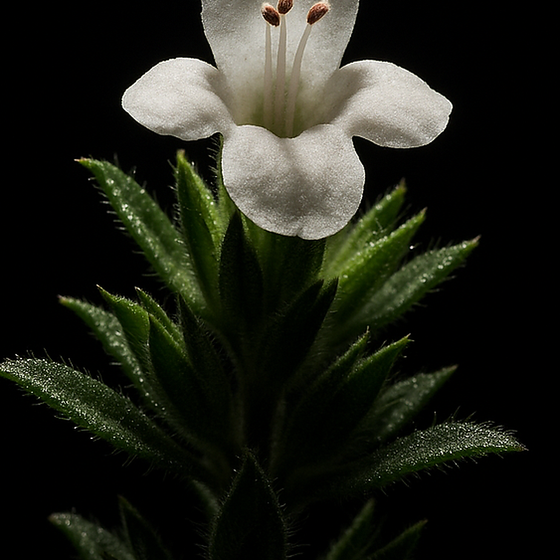
Čubar

PrirodnaZELENE NOTE, BILJE I FUŽERIzelen · svež · topao
Srednje notePiramida
3/5Jačina
—Trajnost
6Poreklo
Uzorak
Čubar kao sirovina za parfeme
Srednje note
Satureja montana / Satureja hortensis
Definicija

Satureja, or savory, has a warm, spicy aroma with herbal undertones, improving fragrances with a fresh and green character.

ZELEN ZAČINSKI BILJNI TOPAO SVEŽ BIBERAST
SAVORY
Type
Sirovina
Olfactive family
Aromatični
Source
leaves and flowering tops
Chemical class
complex natural (essential oil)
Instrumenti
Piramida
GGornje note
SSrednje note
BBazne note
3/5Jačina
Srednja
jačina mirisa
Zemlje proizvođači
Turska Albanija Grčka Španija Maroko Francuska

Miris

Satureja has a distinctly warm and spicy aroma with herbal undertones. It carries the scent of a sunlit herb garden, where the air is filled with freshness and a hint of earthiness. The fragrance is, like a blend ofthyme and mint, with a bracing quality that sharpens the senses.

Scent Evolution

When inhaled, Satureja reveals its lively character. This herbaceous scent is often likened to freshly crushed leaves. The aroma is balanced.

Detaljno

Satureja, commonly known as savory, is a lively herb that has found its place in culinary applications and in perfumery. Historically, savory has been appreciated since ancient times, with references found in both Greek and Roman texts. It was often used as a culinary herb to enhance the flavor of meats and stews, but its aromatic qualities have also made it a valuable ingredient in various fragrance compositions. The herb is primarily cultivated in the Mediterranean region, where its warm climate contributes to its distinct olfactory profile.

Origin and Production

In perfumery, Satureja brings a unique green freshness that can invigorate a fragrance. Its herbaceous nature smells warm and slightly spicy, which makes it a popular choice in aromatic blends. The versatility of Satureja allows perfumers to incorporate it into various fragrance families, particularly those that carries nature and freshness, such as fougère and green fragrances. This ingredient can be used to supports complexity to a scent.

Chemistry and Scent Profile

The significance of Satureja in perfumery lies in its ability to carry a sense of the outdoors, like dense gardens and sun-drenched landscapes. Its aromatic profile can transport the wearer to the Mediterranean, infusing a sense of warmth and familiarity. As sustainability becomes increasingly important in the fragrance industry, sourcing this herb from organic farms ensures that the aromatic qualities are preserved while supporting environmentally friendly practices.

Role in Perfumery

With its rich history and aromatic versatility, Satureja stands out as a cherished ingredient in contemporary use. Its ability to harmonize with other notes, such as citrus and woody elements, makes it an essential component in crafting fragrances that connects with the theme of nature and vitality.

Did You Know?

Satureja was once used in ancient Rome as a symbol of love and was believed to have aphrodisiac properties, often included in wedding feasts.

Explore all seven extraits in the Discovery Set.

—

Related: Alpha Pinene · Angelica · Angelica Root · Angelica Root Oil · Artemisia · Barrenwort · Beachheather · Behini Tree

Zanimljivosti

Satureja was once used in ancient Rome as a symbol of love and was believed to have aphrodisiac properties, often included in wedding feasts.

Dobijanje i hemija

Način dobijanja

Steam distillation of the aerial parts

Formula
C₁₀H₁₄O (carvacrol / thymol, major components)
CAS
8016-68-0
Botanički naziv
Satureja montana / Satureja hortensis
Izgled
pale yellow clear liquid
Jačina mirisa
Srednji
Sinonimi
SAVORY
Status prema standardima IFRA
Ograničeno

Restricted (contains carvacrol and thymol; IFRA limits apply)

Fizička svojstva
Tačka paljenja
156 °F TCC (69 °C) (est)
Relativna gustina
0.910–0.950 @ 25 °C
Indeks prelamanja
1.486–1.505 @ 20 °C
Nota
Savory essential oil; rich in carvacrol (25–50%) and thymol

U parfemima

Satureja (savory, Satureja hortensis/montana) is a heart note with an intensely aromatic, thyme-adjacent character dominated by carvacrol and thymol. Sharper and more medicinal than thyme, less sweet than oregano. Functions as an herbal energizer in aromatic-fougère and Mediterranean compositions. Its phenolic bite cuts through sweet or floral elements. Works alongside rosemary, lavender, and cistus in garrigue accords. At low dosage, it adds an herbal-spicy edge without being identifiable; above 2-3%, it reads as distinctly savory-culinary.

Uloga u formuli
01modifikator
02nota potpisa
03sredstvo za podizanje
04sirovina za stapanje
05svežina
Oblici na tržištu
eterično ulje

Pogledajte i

7 nota