


Vosak za surf
AkordPOPULARNO I NEOBIČNOvoštan · kokos · žvakaća guma
Srednje notePiramida
—Jačina
—Trajnost
—Poreklo
Uzorak
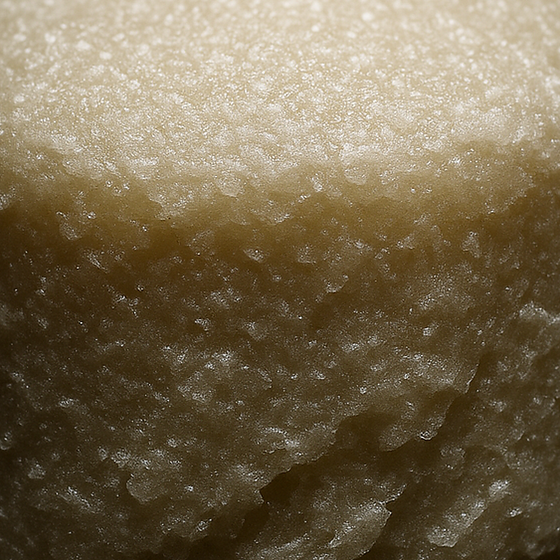
Fantazijska/konceptualna
Definicija
Surf wax, also called surfboard wax, is a formulation of natural and/or synthetic wax applied to the deck of a surfboard to keep the surfer from slipping off. Surfboard wax is generally composed of a mixture of paraffin, beeswax or other hard waxes.
SLADAK TOPAO SVEŽ KREMAST MINERALAN
Surfwax, surfboard wax
- Type
- Akord
- Olfactive family
- Gurmanski
Instrumenti
Piramida
GGornje note
SSrednje note
BBazne note
Miris
U parfemima kuće PREMIEREPEAU
Detaljno
Dobijanje i hemija
Način dobijanja
Paraffin wax, a component of surfboard wax, is derived from petroleum, coal, or oil shale.
- Sinonimi
- Surfwax, surfboard wax
Status prema standardima IFRA
Pogledajte napomenuNo IFRA Standard for the material itself (51st Amendment)
U parfemima
Scents such as coconut or bubblegum are often added to it, and it is sold in an assortment of aromatic fragrances.
Uloga u formuli
01modifikator
02sirovina za stapanje
03naturalizator
04graditelj volumena
05svežina
Oblici na tržištu
sintetički akord fantazijska nota
Pogledajte i
7 nota