Vinil

SintetičkaPOPULARNO I NEOBIČNOnota plastike
Srednje notePiramida
—Jačina
—Trajnost
—Poreklo
Uzorak
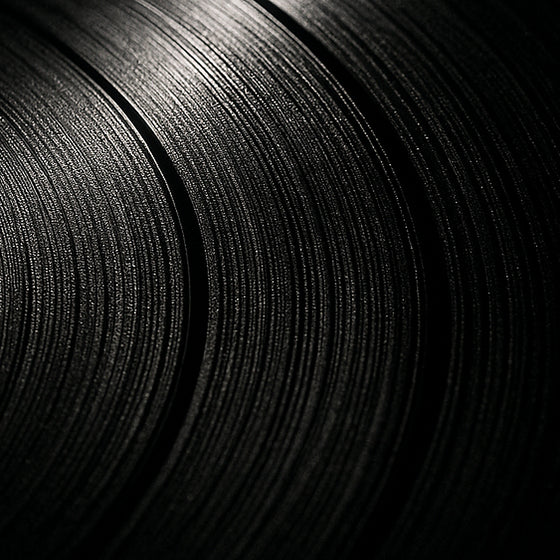
Vinil kao sirovina za parfeme
Srednje note
Definicija

Vinyl is the colloquial name of polyvinyl chloride (PVC), a synthetic plastic polymer. PVC is odourless.

CVETNI SLADAK VOĆNI SVEŽ
Polyvinyl chloride, PVC, polychloroethene, poly(1-chloroethylene)
Type
Akord
Olfactive family
Drvenasti
Chemical class
Synthetic polymer
Instrumenti
Piramida
GGornje note
SSrednje note
BBazne note

Miris

Pure polyvinyl chloride has no odour. Its monomer, vinyl chloride, is a colourless gas with a sweet odour.

Detaljno

What vinyl is

Polyvinyl chloride is a white, brittle solid. PVC is the world's third-most widely produced synthetic polymer of plastic, after polyethylene and polypropylene, and about 40 million tons of it are produced each year. It comes in rigid and flexible forms. Rigid PVC is used in construction for pipes, doors, and windows, and PVC is also used in making plastic bottles, packaging, and bank or membership cards.

Plasticisers and uses

Adding plasticizers makes PVC softer and more flexible. PVC is used in plumbing, electrical cable insulation, flooring, signage, phonograph records, inflatable products, and rubber substitutes. Phthalate plasticizers are essential to PVC, which is otherwise too brittle. Flexible PVC compounds contain 5% to 65% plasticizer by weight. Bis(2-ethylhexyl) phthalate (DEHP) is the most common member of the phthalates, which are used as plasticizers.

In a table built on the plasticizer DINP, unplasticized PVC goes into window frames, doors and rigid pipe. A grade with 25% plasticizer is used for vinyl flooring and flexible pipe, one with 44% for boots, clothing and inflatables, and one with 86% for fishing lures, polymer clay and plastisol inks.

The vinyl used to press records is a blend of polyvinyl chloride and polyvinyl acetate. Vinyl allowed up to 260 grooves per inch, whereas shellac discs were limited to 80-100 grooves per inch because of the risk of groove collapse. New heavyweight vinyl of 180-220 g is commonly used for modern audiophile releases.

From plasticiser to smell

New plastic floorings can significantly pollute indoor air by emitting manufacturing residues as volatile organic compounds. The diester bis(2-ethylhexyl) phthalate (DEHP) is commonly used in PVC. 2-Ethylhexanol is emitted to air from a PVC flooring installed on concrete that had not been dried properly. Compounds like di(2-ethylhexyl) phthalate in PVC flooring are hydrolyzed on contact with alkaline, moisture-containing concrete floors. Hydrolysis of a plastic flooring starts the migration of its plasticiser from the polymer matrix into, for example, the indoor air and dust.

2-Ethylhexanal is a colorless liquid produced on a large scale as a precursor to 2-ethylhexanoic acid and 2-ethylhexanol, both used as precursors to plasticizers. Aldehydes are odour and sensory irritation agents, hexanal for example.

History

PVC was synthesized in 1872 by the German chemist Eugen Baumann.

Explore all seven extraits in the Discovery Set.

—

Related: Alder · Alpha Humulene · Amaranth · Amberever · Amburana Bark · Antillone · Apple Tree

Dobijanje i hemija

Način dobijanja

PVC is made by polymerising vinyl chloride, whose vinyl groups join with the aid of a radical initiator or a catalyst. An older route reacts acetylene with hydrogen chloride over a mercuric chloride catalyst, and this mercury-based method is still the main production method in China.

Formula
(C₂H₃Cl)ₙ
CAS
9002-86-2
Izgled
White, brittle solid
Sinonimi
Polyvinyl chloride, PVC, polychloroethene, poly(1-chloroethylene)
Status prema standardima IFRA
Pogledajte napomenu

No IFRA Standard for the material itself (51st Amendment)

U parfemima

Car dealerships and detailers apply this kind of product to recreate the smell of a new vehicle. Such blends do not replicate the exact mixture of volatile organic compounds released by factory materials.

Uloga u formuli
01poseban efekat
Oblici na tržištu
sintetički

Pogledajte i

6 nota