Smell perfumes on paper to narrow the field, then wear the two or three you still like on skin, never more than three in one session. Take the one you still like that evening and wear it on four separate days before you buy, because a perfume shows its whole shape only on your skin and only over time.
Paper to narrow, skin to decide
A blotter is a strip of absorbent paper, and it is the right tool for the first pass. Spray it once, write the name on the end, wait for the alcohol to lift, then smell it. Paper lets you move through a counter quickly and drop what you dislike without spending any skin on it. Keep the strips you liked in a pocket and smell them again an hour later. Paper holds the base of a formula long after the top notes have evaporated, and the strip you still pull out at dinner deserves a second look.
Paper cannot choose for you. A perfume is composed to be worn, and skin changes it. Skin is warm, so the formula evaporates faster from a wrist than from a strip. Skin holds oils, and the heavier materials dissolve into them, so the base reads rounder and closer than on paper. An iris that reads cool and powdery on paper can turn soft and close by the afternoon, and a vetiver that smelled of damp roots on the strip often dries to smoke and earth on a forearm.
Spray once from a hand's width away, on clean skin with no lotion and no other perfume. Do not rub your wrists together: friction warms the skin and hurries the top notes off before you have smelled them. Smell it after ten minutes, when the alcohol has cleared, again after an hour, and once more in the evening. The evening smell is the one you will live with.
Three at a time, and a tired nose
Three perfumes on skin is the limit for one session. Give each its own patch, one on each inner wrist and a third inside an elbow, and write down which is where, because after an hour you will not remember. Past three, the perfumes blur into each other and the one you liked first becomes hard to find again.
That blur has a name: olfactory fatigue. Your nose answers a new smell strongly and then turns the volume down, which is useful when you live above a bakery and useless at a perfume counter. Five strips in, everything smells of alcohol and warm paper, and the choice you make at that moment is made by a tired nose.
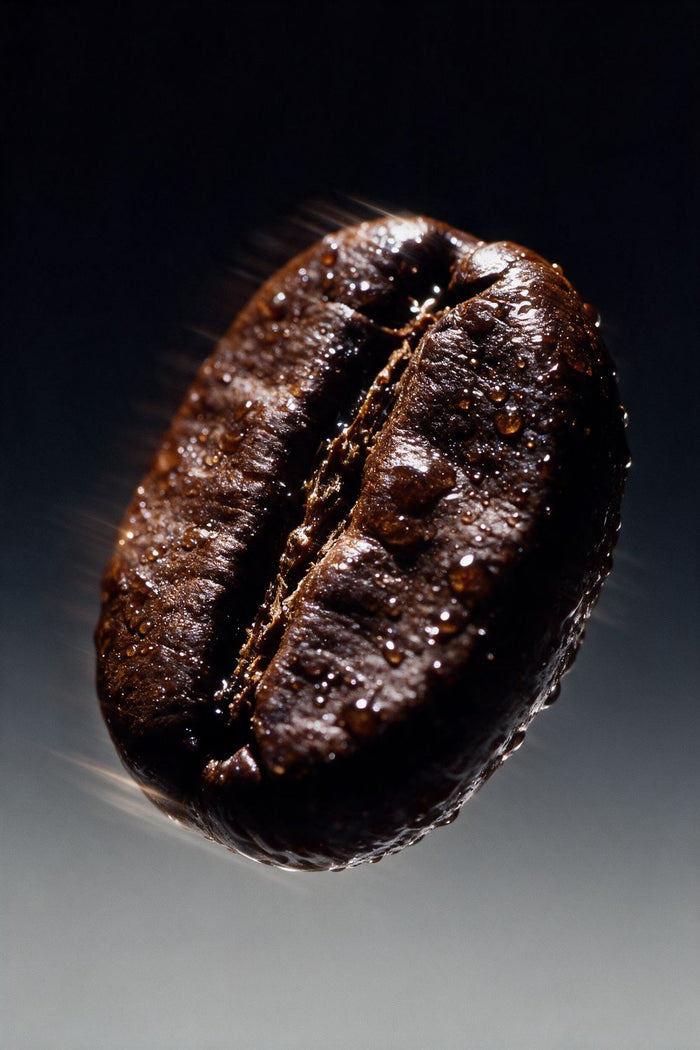
The jar of coffee beans on many counters promises to reset you. When researchers compared a sniff of coffee beans with a breath of plain air between fragrances, the beans did no better. Coffee is a loud smell of its own, and a tired nose gains nothing from one more smell to recover from.
Clean air and time do the work. Step away for ten minutes, outside if you can, and leave the strips behind. If you want a neutral point, smell the back of your hand, where no perfume has touched it. You tuned out the smell of your own skin years ago, so it gives your nose nothing new to work on. Then pick up the strips again and trust your first impression.
The four-day rule
One wearing is one reading. It tells you how a perfume behaved on one Tuesday, under one wool sweater. Four separate days tell you whether you still want it once the novelty has worn off. Write a few lines each day in plain words. If you can name a note, a jasmine or a vetiver, write it down. If all you can write is green or warm, write that.
- Day one. Wear the finalist alone. Write a line in the morning and a line at night.
- Day two. Wear it somewhere else, a dinner or a long walk in cold air, and note whether you caught it in the air around you, its sillage, without lifting your wrist.
- Day three. Wear it on one wrist and the runner-up on the other. By evening you will know which wrist you keep raising to your face.
- Day four. Wear it alone again. If you are still pleased, buy it. If it has started to tire you, you have kept a bottle off your shelf.
By the second or third day, the perfume will seem to fade sooner than it did on day one. Your nose files a smell it meets every morning under background, while the people near you still smell it. That is why you stop smelling a perfume you wear often, and why a colleague's remark at noon counts as evidence. Judge it on your own skin only: the same formula reads differently from one person to the next, so a perfume you loved on someone else tells you little about your wrist.
Why vials at home beat a counter
At a counter you test everything in one room at one hour, after your nose has been through a dozen strips. Vials at home change that. You wear one on a weekday and another on a Saturday night, you catch it on a coat collar the next morning, and you decide alone, with the lines you wrote.
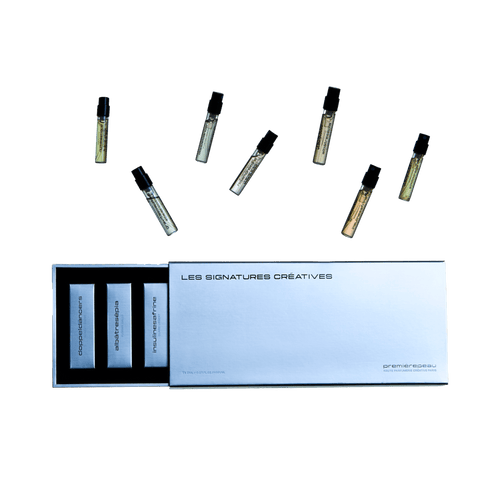
That is the reason the PREMIEREPEAU Discovery Set exists. It holds seven 2 ml vials, one of each of the house's seven extraits de parfum. Each is the same juice as the bottles, at 20 percent concentration. Wear one a day for a week, on skin, the way you would wear the bottle. By the end of the week you will know which two are still in the running, and the finalist can have its four days from its own vial. The set comes with a credit toward a first full bottle.
Frequently Asked Questions
Is it better to test perfume on paper or on skin?
Use both, in that order. Paper is for the first pass, to drop what you dislike without spending skin on it. Skin decides, because its warmth and oils change how the perfume evaporates, and the evening smell on your wrist is the one you will wear.
How many perfumes can you test at once?
Three on skin in one session, each on its own patch, with the positions written down. Paper allows a few more for a first pass, but after five strips your nose blurs them, and ten minutes in clean air does more for it than a jar of coffee beans.
Do coffee beans really reset your nose?
No. Coffee is a strong smell of its own, and a tired nose recovers with clean air and time. Step outside for ten minutes, or smell a bare patch of your own skin, which your nose already ignores.
How many days should you wear a perfume before buying it?
Four separate days for a finalist: alone, then in a different place, then beside the runner-up, then alone again. One wearing shows you a single day, and four show you whether you still want it once the novelty has faded.