


Журнал
Testing How to Test Perfume: Paper, Skin and the Four-Day Rule
Paper to narrow, skin to decide, three perfumes at most per session, clean air for a tired nose, and four separate days with the finalist. Why vials worn at home tell you more than a counter.
Сім світів
Один колір, один аромат

Усі тексти

Gift How to Give Perfume as a Gift Without Knowing Their Taste
Why a guessed bottle is a risk, the clues that show someone's taste, why seven vials worn one a day make the safer gift, how to present them, and the mistakes to avoid.
Піраміда нот Scent Notes: What the Fragrance Pyramid Hides
The fragrance pyramid is a diagram. In the bottle nothing is stacked on three floors: every molecule starts evaporating the moment the spray lands, each at its own rate.
Ремісничі парфуми Artisanal Perfume: Four Tests to Apply
No law defines artisanal perfume, in the European Union or in the United States. The word is on the box because somebody printed it there. Four questions to ask before you believe it.
Троянда Rose Otto vs Rose Absolute: Two Extractions
Rose otto is made with steam, rose absolute with a solvent. The flower is the same, and the two materials differ enough that a perfumer cannot swap one for the other.
Концентрація Perfume Concentrations: The Real Percentages
No law in the European Union or the United States says how much perfume an eau de parfum must contain. The names are trade habit, and the percentages behind them change from house to house.

Неролі Neroli: Green, Metallic, Honeyed, Not Sweet
Neroli, orange blossom absolute and petitgrain come from the same tree and smell nothing alike. Most note lists use the first two as if they were one material.
Еліксир Elixir vs Parfum: A Word With No Definition
No regulation defines elixir and no percentage is attached to the word. Parfum and extrait are hardly better protected, but the trade at least agrees on a range for them.

Дім French Perfume Houses: What the Word Hides
Three kinds of business call themselves a French perfume house: a maison that has employed its own perfumer for two centuries, a fashion label that rents out its name, and an independent studio that owns a formula.
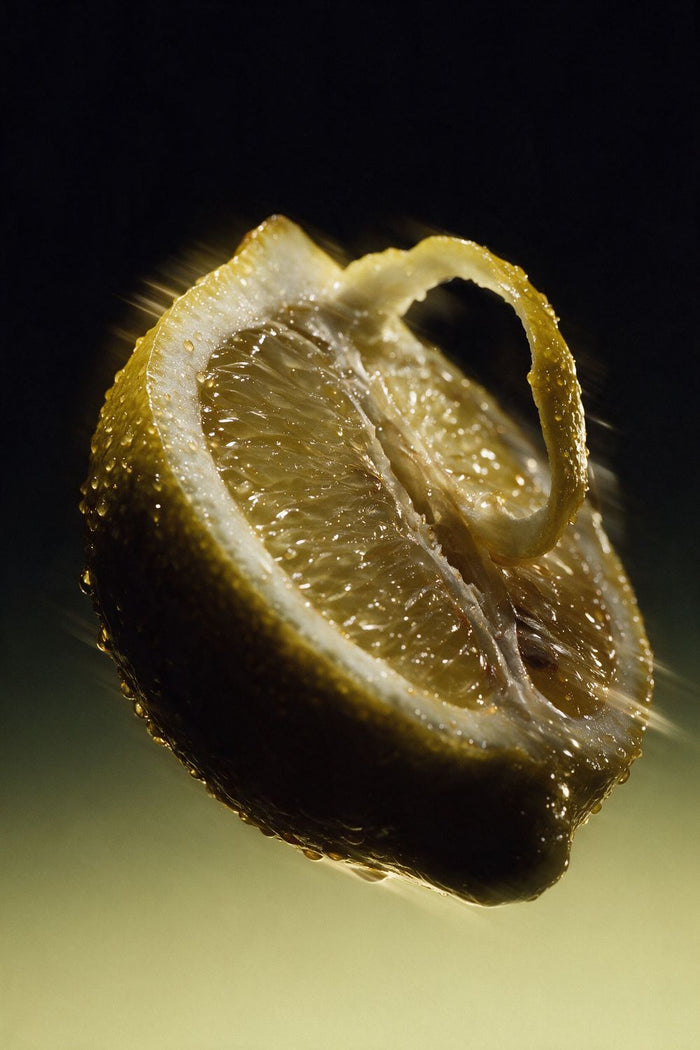
Одеколон Cologne vs Perfume: Two Questions, One Query
Cologne is a concentration, with a number attached. The word is also used for perfume sold to men. The search mixes the two questions, and they have different answers.
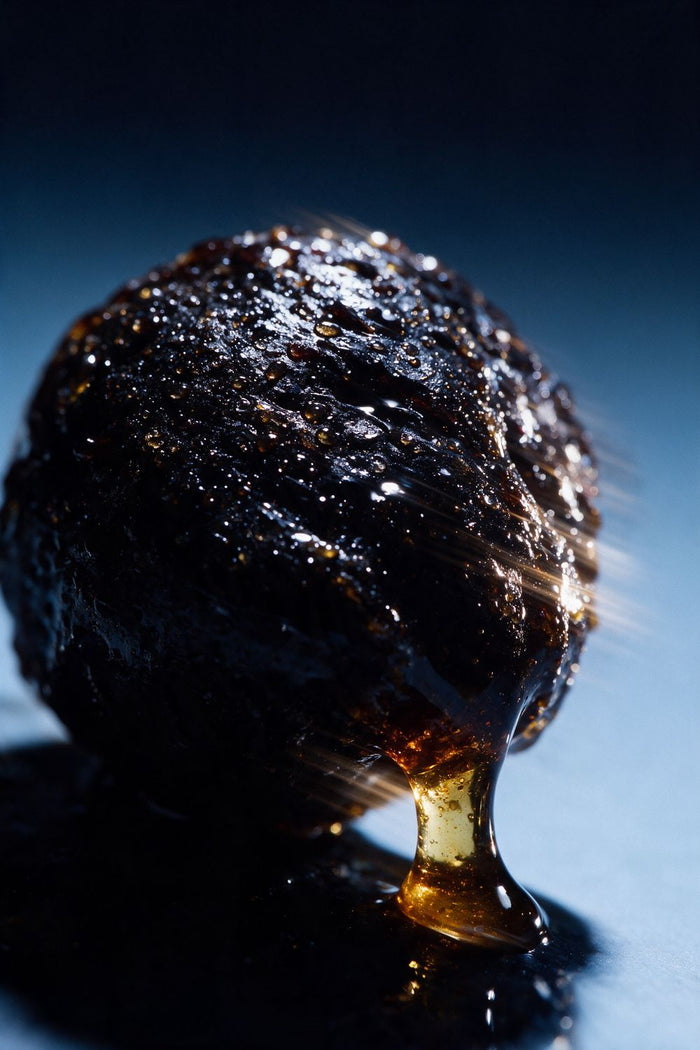
Амбровий акорд What Amber Smells Like: Accord, Not Stone
No tree, flower or animal gives amber. The amber in a perfume is a nineteenth-century recipe of resins and one industrial molecule, named after a fossil it has little to do with.

Нішева парфумерія Parfum de niche : le mot est mort il y a vingt ans
Le parfum de niche désignait des maisons indépendantes, des concentrations honnêtes, une signature. Le mot est mort vers 2006. Ce qu'il faut demander à la place : le nom du parfumeur, la concentration, les matières.

Нішева парфумерія Niche Perfume Is a Dead Word. Here Is What It Meant.
Niche perfume once meant independent houses, honest concentrations, and authorship. The word died around 2006. What to ask instead: the perfumer's name, the concentration, the materials.
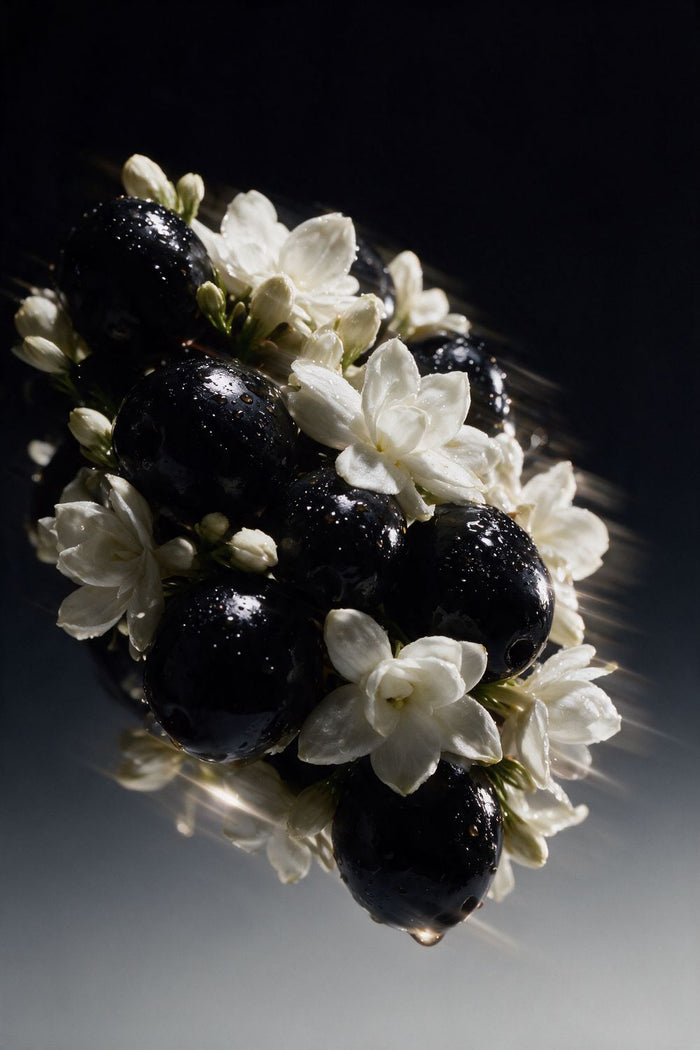
Премія Art and Olfaction Awards 2026 Winners: Nuit Élastique Takes the Independent Category
Nuit Élastique won the Independent category at the 12th Art and Olfaction Awards 2026. Blind-judged: the panel smells the formula, never the brand.

Цитрусові Citrus in Perfumery: Why Cologne Fades and How to Make It Last
Why citrus fades so fast, what makes a long-lasting niche cologne, and how to wear it, with Gravitas Capitale as the worked example.

Троянда The Modern Rose in Perfumery: Cold, Not Romantic
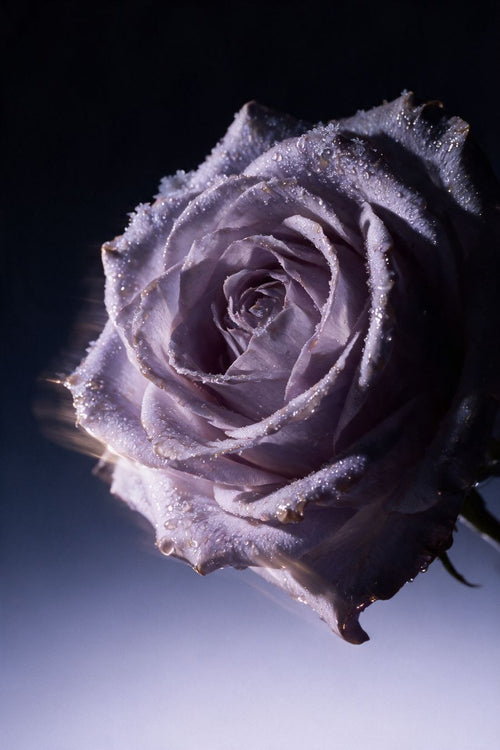
Why a crystalline rose reads cold and geometric instead of sweet, and how to wear it, with Rose Monotone as the worked example.
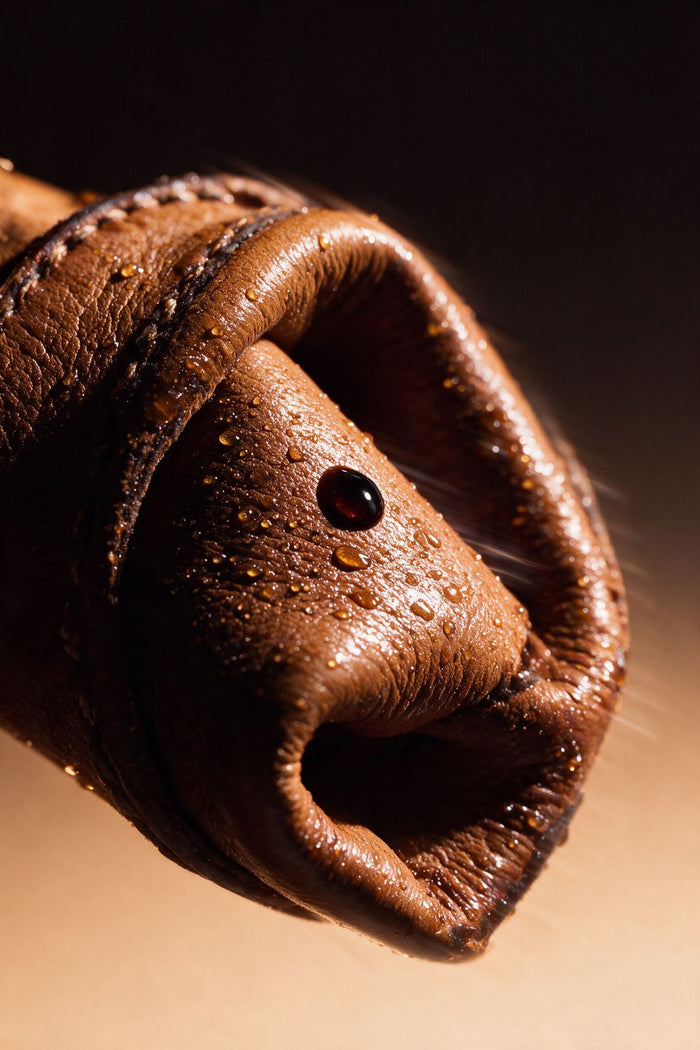
Шкіряний акорд Leather in Perfumery: Why the Note Is Always Built
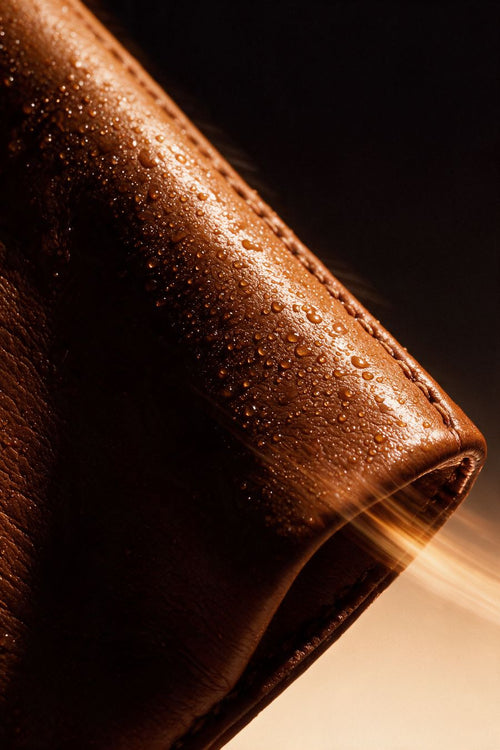
What a leather note really smells like, why it is always a constructed accord, and how to wear it, with Simili Mirage as the worked example.

Жасмин Jasmine in Perfumery: Why It Smells of Skin, Not Soap
What jasmine really smells like (heady, indolic, animal), the difference between sambac and grandiflorum, and how to wear it, with Nuit Élastique as the worked example.
Ірис Iris in Perfumery: Why the Note Costs So Much
What iris really smells like (cold, powdery, rooty), why orris is the most expensive note in perfumery, and how to wear it, with Doppel Dancers as the worked example.

Трюфель Truffle in Perfumery: What the Note Actually Smells Like
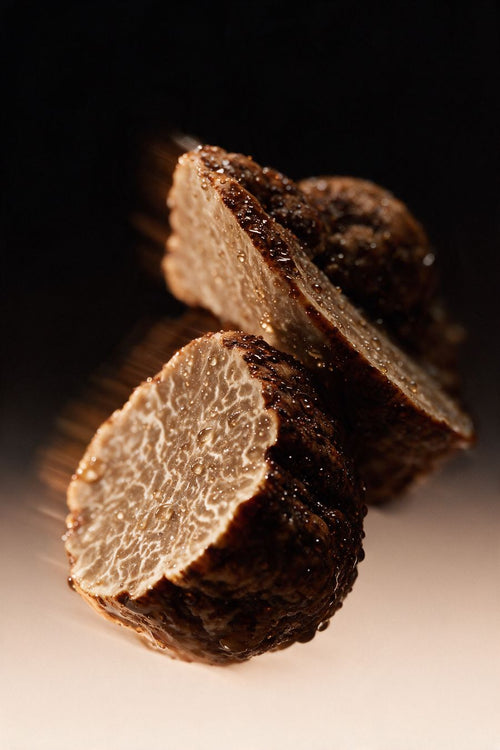
What truffle actually smells like in perfume: cold earth, musk, a mineral sweetness. How the note is built and how to wear it, with Albâtre Sépia as the worked example.
Мегалейон Megallus: The Ancient Perfumer Whose Name Became a Punchline
In the fifth or fourth century before the Common Era, a man named Megallus made a perfume.
Віндоланда The Vindolanda Tablets: Roman Soldiers Ordering Perfume on Hadrian's Wall
The wind comes from the north across open moorland. It crosses the Tyne gap, a natural corridor through the Pennine hills of northern England, and it is cold in every season except the few weeks of high summer when th...
Фіміам Sen no Rikyu's Incense Rule: The Philosophy of Almost Nothing
There is a position on fragrance so radical that most people who encounter it assume it must be a mistranslation. It is not about what scent to use.

Аль-Кінді Al-Kindi's 107 Recipes: The Ninth-Century Textbook That Predates Everything
In the year 2024, there are approximately twelve thousand commercially available fragrance ingredients catalogued by the International Fragrance Association. A modern perfumer working for a major composition house has...