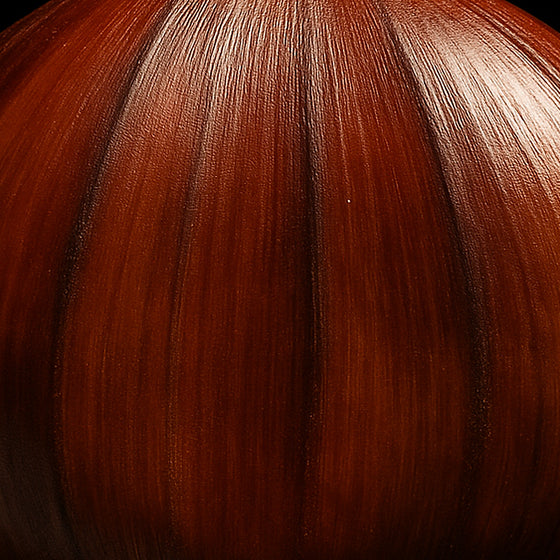
The sweet chestnut, Castanea sativa, also known as the Spanish chestnut or European chestnut, is a species of tree in the flowering plant family Fagaceae. The starch-containing seed, the chestnut, is edible to humans and has been used in cooking since ancient times. The species is native to Southern Europe and Anatolia and widely cultivated in Western and Central Europe. Chestnuts are the deciduous trees and shrubs in the genus Castanea, in the beech family Fagaceae. The name also refers to the edible nuts they produce.
Explore all seven extraits in the Discovery Set.
The tree grows up to 35 m tall, with trunks over 4 m wide and long toothed leaves. The long catkins carry both male and female flowers, and the female flowers produce brownish nuts with spiky sheaths in the fall. Sweet chestnut trees live 500 to 600 years, and in cultivation they may grow as old as 1,000 years or more. The generic name Castanea is the old Latin name for the plant, while the specific epithet sativa means cultivated by humans.
Chestnuts have little protein or fat, and their calories come chiefly from carbohydrates. The sugar content of the nuts ranges from 14% to 20% dry weight, depending on the cultivar. Fructose is mostly responsible for the sweet taste. The nuts have a high moisture content, from 41% to 59%.
The aromatic characteristics of cooked chestnuts result from the degradation of saccharides, proteins and lipids, the caramelisation of saccharides and the Maillard reaction. The Maillard reaction is a chemical reaction between amino acids and reducing sugars that creates melanoidins, the compounds that give browned food its distinctive flavor. It typically proceeds rapidly from around 140 to 165 °C.
The species' large genetic diversity and different cultivars are exploited for uses such as flour, boiling, roasting, drying, and sweets. The cooked nuts can be used for stuffing poultry, as a vegetable or in nut roasts. They can also be used in confections, puddings, desserts and cakes. Chestnuts are also used for flour, bread making, a cereal substitute, a coffee substitute and a thickener in soups. Chestnut is sold as a sweetened paste mixed with vanilla, crème de marrons, as chestnut purée, and as candied chestnuts called marrons glacés. A marron glacé is a confection that consists of a chestnut candied in sugar syrup and glazed.
The French refer to chestnuts as châtaigne or marron, but marron tends to denote a higher quality, larger fruit that is more easily peeled. In 1882, in Privas, Ardèche, Clément Faugier and a local confectioner set up the first factory with the technology to produce marron glacé industrially. Three years later, Faugier introduced the crème de marrons de l'Ardèche, a sweetened chestnut purée made from marron glacé broken during the production process and flavoured with vanilla.
Marron-quality nuts have a pellicle that is superficially attached, so it is easily removed from the fruit, and they are not divided into two cotyledons. Nuts of this quality for marron glacé may cost three or four times more than the châtaigne, because they have a lower yield. In Italy, the term marrone denotes a specific high-quality cultivar of Castanea sativa.
The sweet chestnut is only distantly related to the horse chestnut Aesculus hippocastanum, which bears superficially similar but inedible seeds called conkers. The horse chestnut is a species of flowering plant in the family Sapindaceae. Brazil nuts, sometimes called Brasil chestnuts, are also unrelated to chestnut trees.
—
Related: Acetophenone · Almond · Benzaldehyde · Black Walnut · Brazil Nut · Breadnut · Candlenut · Cashew