Бхут джолокія

НатуральнийПРЯНОЩІпряний · фруктовий · землистий
Ноти серцяПіраміда
4/5Сила
—Стійкість
1Походження
Зразок
Бхут джолокія як парфумерна сировина
Ноти серця
Capsicum chinense 'Bhut Jolokia'
Визначення

Bhut Jolokia — the chili that held the world's-hottest-pepper Guinness record from 2007 to 2011 at 800,000–1,041,000 SHU. Capsicum chinense from northeast India and Bangladesh. No fine-fragrance use — capsaicin would be an irritant at any meaningful concentration. The 'ghost pepper' note in fragrance is a conceptual reference, not an extract.

ЦИТРУСОВИЙ ЗЕМЛИСТИЙ ФРУКТОВИЙ ТЕПЛИЙ ОБСМАЖЕНИЙ
BHUT JOLOKIA NAGA JOLOKIA
Type
Акорд
Olfactive family
Пряні
Source
spice
Chemical class
complex natural
Інструменти
Піраміда
ВВерхні ноти
СНоти серця
ББазові ноти
4/5Сила
Висока
інтенсивність запаху
Країни-виробники
Індія (Ассам)

Запах

Ghost pepper possesses a particular aroma that moves beyond its fiery reputation. The scent is characterized by an initial burst of intensely floral-fruity tropical character — the Capsicum chinense signature of esters and pyrazines, closer to habanero than to bell pepper. The actual heat (capsaicin) is non-volatile and does not contribute to the smell; ghost pepper does not 'smell hot' but burns on contact. The aroma alone is more interesting than its reputation suggests.

Докладно

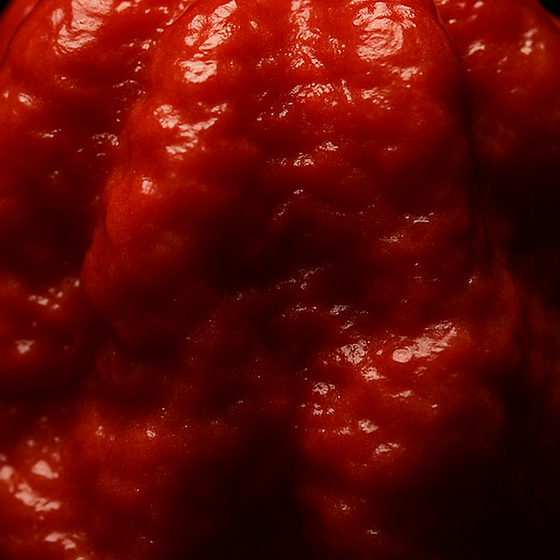
Ghost pepper (Capsicum chinense 'Bhut Jolokia', also called naga jolokia, ghost chili, U-morok) is a hybrid chili native to northeast India (Assam, Nagaland, Manipur) and Bangladesh. The fruit is wrinkled, deep red, around 6–8 cm long, and famous for its intense heat: certified by Guinness World Records as the hottest chili pepper from 2007 to 2011, with measurements typically in the 800,000 to 1,041,000 SHU range [A]. It was succeeded as world's hottest by Trinidad Scorpion (2011), Carolina Reaper (2013), and Pepper X (2023).

Explore all seven extraits in the Discovery Set.

Chemistry

As with all Capsicum, the heat is capsaicin (CAS 404-86-4) and dihydrocapsaicin. The aroma profile, separable from the heat, carries the floral-fruity tropical character of the C. chinense group — closer to habanero than to bell pepper. Capsaicin is not volatile at room temperature; ghost pepper does not 'smell hot' but burns on contact. Ghost pepper has no fine-fragrance presence — capsaicin would be an irritant at any meaningful perfumery concentration.

Sources & Notes

[A] Guinness World Records — Bhut Jolokia certified hottest chili 2007–2011 (~800,000–1,041,000 SHU). Succeeded by Trinidad Scorpion, then Carolina Reaper, then Pepper X.

Цікавий факт

Despite its intense heat, Ghost Pepper has been traditionally used in Indian cuisine for its flavor enhancement, not just its spiciness.

Отримання й хімія

Спосіб отримання

Solvent extraction or essential oil distillation

Формула
N/A — complex oleoresin (capsaicin: C₁₈H₂₇NO₃)
CAS
N/A — complex oleoresin (key: capsaicin CAS 404-86-4)
Ботанічна назва
Capsicum chinense 'Bhut Jolokia'
Зовнішній вигляд
Yellow to amber liquid
Сила запаху
Висока
Синоніми
BHUT JOLOKIA NAGA JOLOKIA
Статус IFRA
Див. примітку

No IFRA Standard for the material itself (51st Amendment)

Фізичні властивості
Температура спалаху
> 200.00 °F. TCC ( > 93.33 °C. ) (est)

У парфумерії

In perfumery, Ghost Pepper is a heart note, bringing warmth and spice to a fragrance composition. Its fiery essence can complement floral notes, improving their vibrancy, or it can anchor woody and resinous base notes, supports intrigue. Ghost Pepper works with citrus fruits, warm spices like cinnamon and cardamom, and even sweet gourmand elements, creating an appealing balance that excites the senses.

Роль у формулі
01фіксатор
02модифікатор
03фірмова нота
04сполучний компонент
05формувач об’єму
06свіжість
Форми випуску
абсолют

Див. також

5 ноти