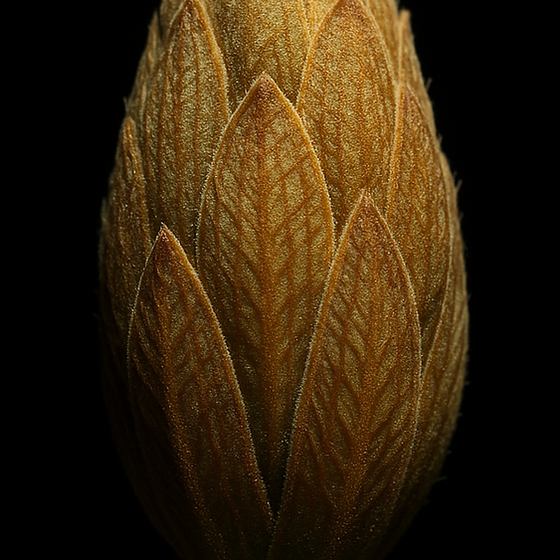
Катрафай

НатуральнийЗЕЛЕНІ НОТИ, ТРАВИ Й ФУЖЕРНІ АКОРДИдеревний · теплий · землистий
Базові нотиПіраміда
3/5Сила
—Стійкість
1Походження
Зразок
Катрафай як парфумерна сировина
Базові ноти
Cedrelopsis grevei
Визначення

Dry bark cracked open in the sun — warm, spicy-resinous, faintly camphoraceous. Katrafay smells like red laterite dust on cedar shavings, with a medicinal bitterness that never fully resolves.

ДЕРЕВНИЙ ЗЕМЛИСТИЙ ТЕПЛИЙ СМОЛИСТИЙ ПРЯНИЙ БАЛЬЗАМІЧНИЙ КАМФОРНИЙ
KATRAFAY KATRAFAI
Type
Складник
Olfactive family
Деревні
Source
bark
Chemical class
complex natural (essential oil); sesquiterpene-dominated, 4 known chemotypes
Інструменти
Піраміда
ВВерхні ноти
СНоти серця
ББазові ноти
3/5Сила
Середня
інтенсивність запаху
Країни-виробники
Мадагаскар

Запах

Warm-woody and spicy-resinous, with a dry camphoraceous bite from copaborneol. Less sweet than sandalwood, less sharp than atlas cedar, less smoky than cade. The opening is herbal-green and slightly terpenic (α-pinene), then settles into a persistent balsamic warmth with an undertone of dry red earth. A faint bitterness persists throughout — medicinal, not unpleasant — like chewing on a piece of bark. On blotter, the sesquiterpene backbone gives it a matte, muted quality: it absorbs light rather than reflecting it. Compared to vetiver, katrafay is less smoky and less rooty; compared to cedarwood, it is warmer and more resinous.

Докладно

Katrafay is the essential oil steam-distilled from the bark of Cedrelopsis grevei (Baill. & Courchet, 1906), a tree endemic to western and southern Madagascar. The genus Cedrelopsis belongs to the Rutaceae (subfamily Spathelioideae, formerly segregated as Ptaeroxylaceae). The tree grows to 9–15 metres in dry deciduous forest and scrubland across the provinces of Toliara, Mahajanga, and Antsiranana, at elevations from sea level to 900 metres. In Malagasy, katrafay means “bitter juice.”

The bark oil is dominated by sesquiterpene hydrocarbons. Cavalli et al. (2003, Flavour and Fragrance Journal) identified 114 components in a single commercial sample by GC, GC–MS, and ¹³C-NMR. Major constituents: (E)-β-caryophyllene (1.3–12.5%), α-copaene (4.9–11.0%), ishwarane (1.0–17.4%), β-elemene (0.2–9.6%), α-selinene (1.1–9.4%), δ-cadinene (up to 4.9%), α-humulene (up to 3.3%). A later study by Raoelison et al. (2008) found four distinct chemotypes: one dominated by eudesmols (α-eudesmol 9.9–37.8%), another by α-pinene (2.1–30.0%) and copaborneol (4.7–20.0%), a third by ishwarane (13.7–22.1%), and a fourth by cadinane-skeleton compounds. The variation is geographic, not seasonal.

Steam distillation of bark yields 0.9–1.7% oil (14-hour distillation; Panjaïtan et al., 2014), though artisanal operations typically report 0.4–0.6%. The oil is pale yellow to amber, with a warm, woody-spicy, balsamic character — drier than sandalwood, more resinous than atlas cedar, with a persistent camphoraceous-medicinal edge from copaborneol. A red-earth undertone grounds the profile.

Katrafay remains a niche material in Western perfumery. Most production serves Malagasy traditional medicine, where bark decoctions treat fatigue, rheumatic pain, and inflammation — pharmacological studies have confirmed analgesic and anti-inflammatory activity in the oil. In natural perfumery, the high sesquiterpene content (67–99% depending on chemotype) makes it a powerful fixative. It anchors woody, earthy, and balsamic compositions without the sweetness of benzoin or the smokiness of birch tar.

—

Related: Varnish Accord

Цікавий факт

Cavalli et al. (2003) identified 114 distinct chemical components in a single sample of katrafay bark oil using combined GC, GC–MS, and ¹³C-NMR analysis. Across six commercial samples, four distinct chemotypes emerged — eudesmol-dominant, pinene-copaborneol, ishwarane-dominant, and cadinane-dominant — all determined by the tree’s geographic origin within Madagascar, not by harvest season or distillation method. The same species, the same bark, the same extraction — four different oils.

Отримання й хімія

Спосіб отримання

Steam distillation of the bark of Cedrelopsis grevei. Trees must reach 20+ cm trunk diameter before bark harvest is viable. Bark sections are stripped, dried, and distilled for 6–14 hours. Yield: 0.9–1.7% under optimised laboratory conditions (14-hour distillation; Panjaitan et al., 2014); artisanal field operations in Madagascar typically achieve 0.4–0.6%. Product: pale yellow to amber liquid. The bark does not regenerate quickly after stripping, and over-harvesting can kill the tree — sustainable sourcing requires rotational harvest cycles and minimum-diameter regulations that are not consistently enforced.

Формула
N/A — complex essential oil (key: ishwarane sesquiterpenes)
Ботанічна назва
Cedrelopsis grevei
Зовнішній вигляд
Pale yellow to amber liquid
Сила запаху
Середня
Синоніми
KATRAFAY KATRAFAI
Статус IFRA
Див. примітку

No IFRA Standard for the material itself (51st Amendment)

Фізичні властивості
Температура спалаху
~143.60 to 161.60 °F. TCC ( ~62.00 to 72.00 °C. )
Відносна густина
~0.90 to 0.94 @ 25.00 °C.
Показник заломлення
~1.488 to 1.505 @ 20.00 °C.
Нота
Essential oil from Cedrelopsis grevei; pale yellow to yellow liquid; main constituents: ishwarane, beta-elemene

У парфумерії

Heart-to-base fixative in woody, balsamic, and earthy compositions. The sesquiterpene-heavy profile (67–99% of the oil) delivers notable tenacity without sweetness or smoke. Katrafay slows the evaporation of lighter materials above it and extends sillage at the base. In natural perfumery, it anchors forest-floor accords alongside vetiver, patchouli, and cedarwood. It works with citrus colognes — particularly yuzu and cedrat — where its dry warmth provides a grounding counterpoint to volatile top notes. Classed as a middle-to-base material, it bridges herbaceous hearts into woody-balsamic foundations. No PREMIEREPEAU fragrance currently features katrafay as a listed note. The material remains underused in mainstream fine fragrance, partly because supply is limited to wild-harvested bark from Madagascar’s shrinking dry forests.

Роль у формулі
01фіксатор
02модифікатор
03сполучний компонент
04натуралізатор
05формувач об’єму
Форми випуску
ефірна олія

Див. також

8 ноти