Танжерин

НатуральнийЦИТРУСОВІ ЗАПАХИцитрусовий · фруктовий · свіжий
Верхні нотиПіраміда
—Сила
—Стійкість
7Походження
Зразок
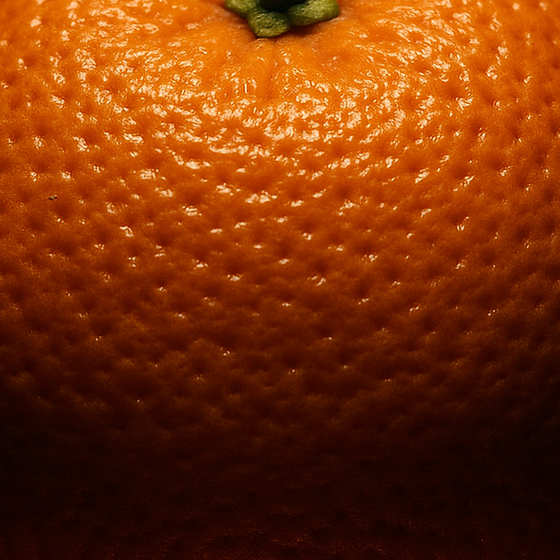
Танжерин як парфумерна сировина
Верхні ноти
Citrus × tangerina Tanaka
Визначення

Tangerine is a citrus fruit, orange in colour, considered either a variety of the mandarin orange (Citrus reticulata) or a hybrid (Citrus × tangerina). Its cold-pressed peel oil has a pleasant, orange odor.

Agrumé
95
Frais
85
Doux
60
Vert
45
Fruité
55
Amer
25
Mandarin oil, Mandarin essential oil
Type
Складник
Olfactive family
Цитрусові
Source
fruit peel
Chemical class
complex natural (expressed oil)
Інструменти
Піраміда
ВВерхні ноти
СНоти серця
ББазові ноти
Країни-виробники
Китай Іспанія Туреччина Бразилія Японія Єгипет Сполучені Штати

Запах

Its odor is described as floral, citrus, mandarin and orange. The oil has a characteristic odor reminiscent of mandarin peel. Its fragrance is reminiscent of bergamot and sweeter than that of orange. Murcott tangerine peel oil is described as aldehydic, flowery and resembling orange-tangerine.

Теруар і варіації

Докладно

Under the Tanaka classification system, Citrus tangerina is considered a separate species. Under the Swingle system, tangerines are considered a group of mandarin (C. reticulata) varieties. The term is also currently applied to any reddish-orange mandarin and, in some jurisdictions, to mandarin-like hybrids, including some tangors. Tangerines are smaller and less rounded than oranges. They taste less sour, sweeter and stronger than oranges do.

Explore all seven extraits in the Discovery Set.

Chemistry

In the peel oil of the Murcott tangerine, limonene is the main constituent, as in all citrus oils. Gas chromatography identified 88 components in the volatile range of Murcott tangerine peel oil. Gamma-terpinene, N-methyl-methylanthranilate and thymol, which are characteristic of many mandarin oils, did not occur in the Murcott variety. Six polymethoxylated flavones were identified in Murcott oil, and tangeretin is quantitatively the most significant of them.

Fruit and production

The peak tangerine season lasts from autumn to spring. Tangerines are most commonly peeled and eaten by hand. The peel is thin, with little bitter white mesocarp. The peel is used fresh or dried as a spice or zest for baking and drinks, and the Chinese spice chenpi is made from mandarin zest. In 2021, world production of tangerines, including mandarins and clementines, was 42 million tonnes, led by China with 60% of the total. Florida classifies tangerine-like hybrid fruits as tangerines for the purposes of sale and regulation. Murcotts, a late-fruiting type of tangor, are marketed as honey tangerine.

Цікавий факт

The word tangerine was originally an adjective meaning of Tangier, a Moroccan seaport on the Strait of Gibraltar. The name was first used for fruit shipped from Tangier, described as a mandarin variety.

Отримання й хімія

Спосіб отримання

Tangerine oil is obtained by expression from the peels of the ripe fruit of the Dancy tangerine, Citrus nobilis or reticulata, and from some other closely related varieties.

CAS
8008-31-9
Ботанічна назва
Citrus × tangerina Tanaka
Зовнішній вигляд
red-orange to brown-orange liquid; oils from unripe fruit are often green
Синоніми
Mandarin oil, Mandarin essential oil
Статус IFRA
Див. примітку

No IFRA Standard for the material itself (51st Amendment)

Фізичні властивості
Температура кипіння
178 °C
Температура спалаху
133 °F
Показник заломлення
n 20/D 1.4745

Див. також

5 ноти