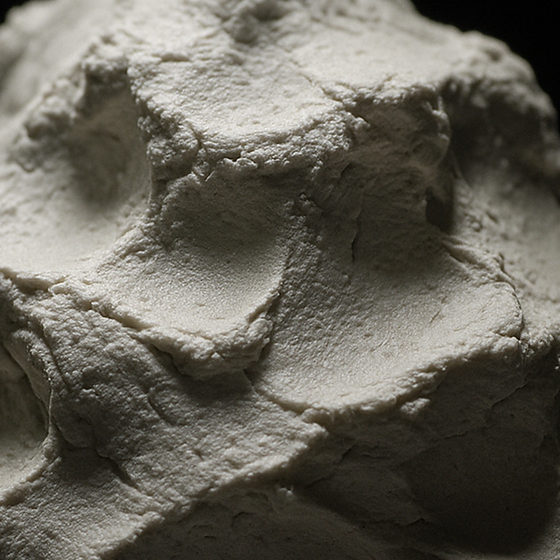
Kaolin

AkordPRIRODNO I SINTETIČKO, POPULARNO I NEOBIČNOpuderast · zemljan · svež
Srednje notePiramida
3/5Jačina
—Trajnost
4Poreklo
Uzorak
Kaolin kao sirovina za parfeme
Srednje note
N/A — mineral (kaolinite clay)
Fantazijska/konceptualna
Definicija

Earthy, chalky, and damp-mineral. Porcelain clay (kaolin) before firing smells of the earth — wet, mineral, slightly metallic, with the specific chalky quality of white clay fresh from the ground.

CVETNI ZEMLJAN ZAČINSKI SLADAK PUDERAST SVEŽ MINERALAN
KAOLIN CHINA CLAY
Type
Akord
Olfactive family
Drvenasti
Source
Composed accord — abstract mineral concept; built from powdery musks, chalky aldehydes, and dry earthy aromachemicals
Instrumenti
Piramida
GGornje note
SSrednje note
BBazne note
3/5Jačina
Srednja
jačina mirisa
Zemlje proizvođači
Brazil Kina Ujedinjeno Kraljevstvo Sjedinjene Američke Države

Miris

Earthy, damp-mineral, and chalky. More specifically 'clay' than generic earth — the mineral purity of kaolin is cleaner and whiter than dark soil. The dampness adds a freshness. The chalkiness gives a dry, powdery quality even in the wet state.

More mineral and less organic than soil. Drier and chalkier than wet stone. Cleaner and whiter than terracotta clay. The kaolin-specific quality is a white, clean earthiness.

Detaljno

Porcelain clay (kaolin) is a fine, white clay composed primarily of the mineral kaolinite. Before firing, it is earthy, damp, and mineral — the scent of clean earth. This raw state is more aromatic and more 'real' than finished porcelain, which is essentially scentless.

The scent of wet kaolin includes geosmin (earthy), petrich or-type mineral notes (iron and aluminum oxides interacting with water), and a particular chalky-powdery quality. When the clay dries, it becomes more chalky and less earthy. The smell of potters' studios — wet clay, drying clay, and kiln-fired clay — captures the full spectrum of kaolin's aromatic life.

In perfumery, porcelain clay is the earthier, more tactile counterpart to the finished porcelain concept — raw material versus clean object.

Explore all seven extraits in the Discovery Set.

—

Related: Alder · Alpha Humulene · Amaranth · Amberever · Amburana Bark · Antillone · Apple Tree

Zanimljivosti

Kaolin gets its name from Gaoling (literally 'High Ridge'), a village in Jiangxi province, China, where the white clay was first extracted for porcelain production during the Tang dynasty. The village's clay deposits were so thoroughly mined over centuries that the original source is now largely exhausted.

Dobijanje i hemija

Način dobijanja

Not extracted from clay. The note is reconstructed from earthy (geosmin), mineral-chalky, and damp-mineral elements.

Formula
Al₂Si₂O₅(OH)₄ (Kaolinite)
CAS
1332-58-7 (Kaolin, primary mineral component)
Botanički naziv
N/A — mineral (kaolinite clay)
Izgled
White to off-white fine powder; liquid form: milky white suspension
Jačina mirisa
Srednji
Sinonimi
KAOLIN CHINA CLAY
Status prema standardima IFRA
Pogledajte napomenu

Not subject to an IFRA Standard (51st Amendment)

Fizička svojstva
Nota
Kaolin-based clay. In perfumery, porcelain/clay note is an olfactory accord evoking petrichor, mineral, and clean ceramic facets. Built with Iso E Super, ambroxan, and mineral molecules.

U parfemima

Porcelain clay is a concept note providing earthy-mineral, tactile character. It is the raw, pre-fired counterpart to the finished porcelain concept. Built from geosmin (very low doses), mineral-chalky elements, and damp-earth accents. Useful in artisanal, ceramic-studio, and earthy-clean compositions. More grounded and less abstract than the finished-porcelain note.

Uloga u formuli
01modifikator
02sirovina za stapanje
03graditelj volumena
04svežina
Oblici na tržištu
sintetički akord fantazijska nota

Pogledajte i

7 nota