


Platan
AkordDRVA I MAHOVINEdrvenast · zemljan · topao
Bazne notePiramida
—Jačina
—Trajnost
—Poreklo
Uzorak
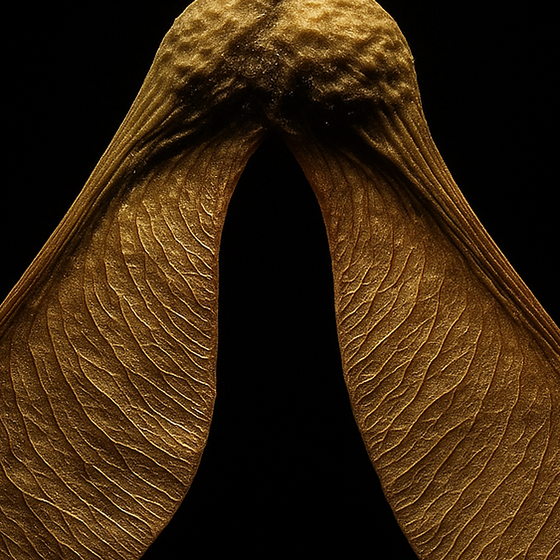
Platanus occidentalis, Acer pseudoplatanus, Ficus sycomorus
Fantazijska/konceptualna
Definicija
Sycamore wood is a wood note in perfume, made as an accord. It is pale, dry and slightly sweet, clean and quiet, with a faint smoky edge.
DRVENAST SUV BLAGO SLADAK ČIST DIMNI
sycamore maple, sycamore fig, sycomore
- Type
- Akord
- Olfactive family
- Drvenasti
- Source
- Accord (a blend built to evoke the scent)
Instrumenti
Piramida
GGornje note
SSrednje note
BBazne note
Miris
U parfemima kuće PREMIEREPEAU
Detaljno
Zanimljivosti
Some caskets of mummies in Egypt are made from the wood of the sycamore fig, a different tree that shares the name. The Book of the Dead calls on the Sycamore Tree of the Goddess Nut to give water and air.
Dobijanje i hemija
Način dobijanja
The note is made as an accord, a blend put together to evoke the scent of sycamore wood. It is listed as an accord, not as a natural or a synthetic substance.
- Botanički naziv
- Platanus occidentalis, Acer pseudoplatanus, Ficus sycomorus
- Sinonimi
- sycamore maple, sycamore fig, sycomore
Status prema standardima IFRA
Pogledajte napomenuNo IFRA Standard for the material itself (51st Amendment)
U parfemima
A perfume database lists two perfumes that carry the note, in one of them as a base note and in the other among the key notes.
Uloga u formuli
01drvenasta baza
02nota suvog drveta
03čist akcenat
Oblici na tržištu
akord
Pogledajte i
6 nota