


Lokvanj
PrirodnaCVETOVIcvetni · svež · vodeni
Srednje notePiramida
—Jačina
—Trajnost
1Poreklo
Uzorak
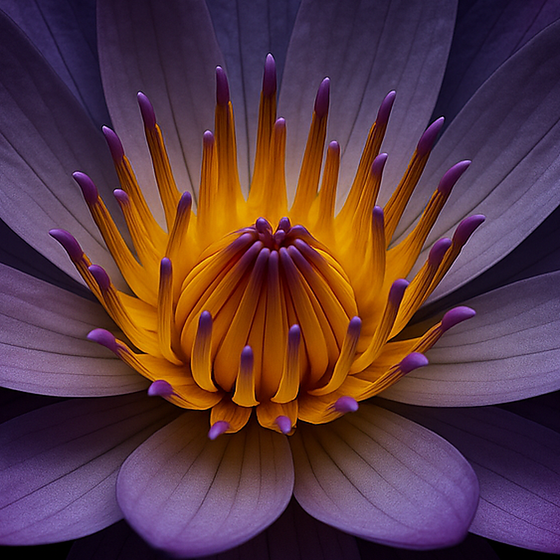
Nymphaea spp.
Definicija
Water lily is the common name of Nymphaea, a genus of aquatic plants in the family Nymphaeaceae. Its flowers are fragrant or inodorous.
Floral95
Aquatique85
Vert70
Frais75
Doux55
Poudré30
Waterlily, Nymphaea
- Type
- Sirovina
- Olfactive family
- Cvetni
- Source
- flower
- Chemical class
- alkenes and alkanes, with alcohols, esters, aldehydes and ketones
Instrumenti
Piramida
GGornje note
SSrednje note
BBazne note
Zemlje proizvođači
Kina
Miris
U parfemima kuće PREMIEREPEAU
Teroar i poreklo
Detaljno
Dobijanje i hemija
Način dobijanja
Fresh flowers are shredded and extracted twice with hexane, and the hexane is then evaporated off to leave the concrete. The concrete is dewaxed with 95% ethanol, stirred, and kept in a freezer for more than 12 hours. The filtered solution is concentrated under reduced pressure until the solvent has gone, which leaves the absolute. Average yields are 0.18% for the concrete and 0.09% for the absolute.
- Formula
- Complex natural mixture (key constituents: benzaldehyde; benzyl alcohol; benzyl acetate)
- Botanički naziv
- Nymphaea spp.
- Sinonimi
- Waterlily, Nymphaea
Status prema standardima IFRA
Pogledajte napomenuNo IFRA Standard for the material itself (51st Amendment)
U parfemima
Blue lotus absolute, from Nymphaea caerulea, is a middle note.
Uloga u formuli
01modifikator
02nota potpisa
03sredstvo za podizanje
04sirovina za stapanje
05graditelj volumena
06svežina
Oblici na tržištu
apsolut
Pogledajte i
7 nota