


Плід акебії
НатуральнийФРУКТИ, ОВОЧІ Й ГОРІХИфруктовий · солодкий
Ноти серцяПіраміда
—Сила
—Стійкість
3Походження
Зразок
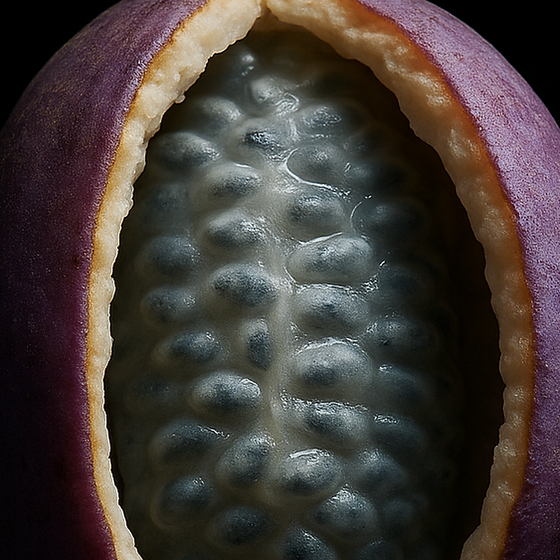
Akebia quinata
Визначення
Akebia fruit is the sausage-shaped pod of the vine Akebia quinata, which contains edible pulp. The pulp is white, semi-translucent, gelatinous and mildly sweet.
СОЛОДКИЙ ФРУКТОВИЙ
chocolate vine, five-leaf akebia, akebi, five-leaf chocolate vine
- Type
- Складник
- Olfactive family
- Фруктові
- Source
- fruit
Інструменти
Піраміда
ВВерхні ноти
СНоти серця
ББазові ноти
Країни-виробники
Китай Японія Корея
Запах
В ароматах PREMIEREPEAU
Докладно
Цікавий факт
In China the fruit is commonly known as "wild banana" or "northern banana".
Отримання й хімія
- Формула
- Complex natural mixture (key constituents: limonene; eugenol; octanal; p-cymene)
- Ботанічна назва
- Akebia quinata
- Зовнішній вигляд
- Purplish gray follicle, 5 to 11 cm long; white, semi-translucent gelatinous pulp
- Синоніми
- chocolate vine, five-leaf akebia, akebi, five-leaf chocolate vine
Статус IFRA
Див. приміткуNo IFRA Standard for the material itself (51st Amendment)
Див. також
7 нотиАнанас Sugarloaf фруктовий · тропічний · солодкий Тропічні фрукти фруктовий · тропічний · свіжий Кокос гурманський · лактонний · тропічний Лічі (lychee) фруктовий · квітковий · трояндовий Томат свіжий · зелений · солодкий Тайбері ягода · кислуватий · фруктовий Білий шкіряний акорд шкіряний акорд · вершковий · фруктовий
