Botany
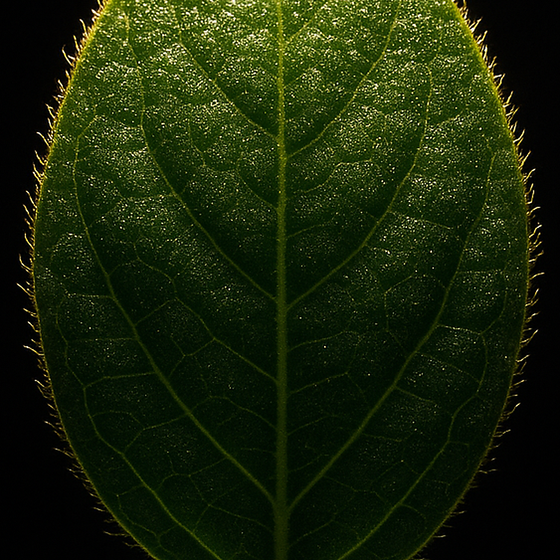
Amyris balsamifera is the type species of the genus Amyris, a genus of flowering plants in the citrus family, Rutaceae. The genus is placed in the subfamily Amyridoideae. The genus name Amyris derives from the Greek amyron, meaning ‘intensely scented,’ and refers to the strong odor of the resin. Amyris balsamifera is called balsam torchwood, A. elemifera sea torchwood and A. diatrypa hairy torchwood. The most economically important genus of the family is Citrus, and some of its other plants, such as Boronia megastigma, are used by the perfume industry.
Occurrence
Amyris balsamifera was described by Linnaeus in 1759, and its type specimen comes from Jamaica. In Florida it is a native plant and is called balsam torchwood.
Wood and resin
The trunks of Amyris species exude elemi, a type of balsam (oleoresin) that contains elemic acids, liquid sesquiterpenes, and triterpenes such as α- and β-amyrin. The wood of Amyris species is often used for torches and firewood. The wood is also hard, heavy and close-grained, takes a high polish, and repels dry wood termites. Amyris balsamifera grows wild in several parts of Haiti. Chemical compounds known as chromenylated amides, isolated from Amyris plumieri, have shown some inhibition of the cytochrome P450 enzymes.
Chemistry
Essential oils containing caryophyllene, cadinene, and cadinol are extracted from A. balsamifera and A. elemifera. Valerianol is the major sesquiterpene alcohol of Amyris balsamifera oil. It has the formula C₁₅H₂₆O and a molecular weight of 222.37. Sesquiterpene alcohols make up more than half of the content of these oils (55.2% and 53.8%). Eudesmol isomers (about 26%) and elemol (about 9%) also give significant peaks. Approximately 27% of the content is sesquiterpene hydrocarbons, of which 7-epi-α-selinene (about 9%) and α-curcumene (about 6%) are prevalent. A third, similar oil held only about 8% valerianol, while caryophyllene made up 11.7% of it.
An oil distilled with steam from crushed fresh wood had valerianol (23.20%), guaiol (19.40%) and 10-epi-γ-eudesmol (14.80%) as its main compounds.
Properties of the oil
The oil is a clear, pale yellow, viscous liquid with a distinct odor suggestive of sandalwood. It dissolves in most fixed oils and usually in mineral oil, and it dissolves in an equal volume of propylene glycol, although the solution often turns opalescent on further dilution. It is practically insoluble in glycerin.
Relation to sandalwood
True sandalwoods are hemiparasitic trees in the same botanical family as European mistletoe, and the genus Santalum has more than 19 species. Their woods are heavy, yellow and fine-grained and, unlike many other aromatic woods, keep their fragrance for decades. Most woods from the alternative sources traded as sandalwood lose their aroma within a few months or years. The international standard for Santalum album oil requires not less than 41-54% of α-santalol and 16-24% of β-santalol.
In a gas chromatography test of six oils sold as sandalwood oil, none met that standard, and only one contained both α- and β-santalol, the compounds characteristic of Santalum album. In three of the six oils, valerianol, elemol, eudesmol isomers and caryophyllene dominated, which indicates the presence of Amyris balsamifera oil. Another oil held valerianol, elemol and eudesmol isomers in far smaller quantities than the pure oil and no santalols, which suggests a synthetic composition imitating the sandalwood fragrance. Amyris balsamifera oil is described as a natural muscle relaxant, a property attributed to its high valerianol content.
—
Related: Almond Tree · Ambrox Super · Amburana Wood · Birch · Blonde Woods · Caoutchouc · Cascarilla · Cashalox