


Араукарія
НатуральнийДЕРЕВИНА Й МОХИдеревний · зелений · свіжий
Базові нотиПіраміда
—Сила
—Стійкість
3Походження
Зразок
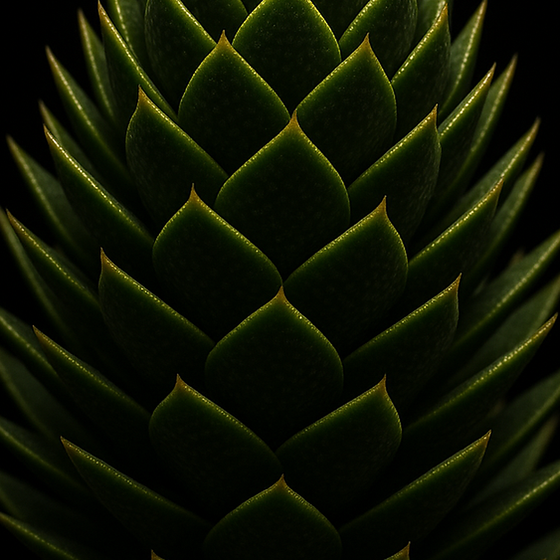
Araucaria
Визначення
Araucaria is a genus of evergreen coniferous trees in the family Araucariaceae, largely confined to the Southern Hemisphere. As a fragrance note it is described as woody and resinous.
Boisé97
Terreux64
Vert72
Fumé48
Résineux40
Doux53
- Type
- Складник
- Olfactive family
- Деревні
- Source
- oleogum resin
- Chemical class
- essential oil
Інструменти
Піраміда
ВВерхні ноти
СНоти серця
ББазові ноти
Країни-виробники
Південна Америка (Чилі, Аргентина, Бразилія) Нова Каледонія Австралія
Запах
В ароматах PREMIEREPEAU
Теруар і зрілість
Докладно
Отримання й хімія
Спосіб отримання
The essential oil sold as araucaria is wild-harvested in New Caledonia from Neocallitropsis pancheri. An essential oil has also been obtained from the oleogum resin of Araucaria heterophylla.
- Формула
- Complex natural mixture (key constituents: caryophyllene oxide; (+)-sabinene C₁₀H₁₆; D-limonene C₁₀H₁₆; caryophyllene; β-pinene C₁₀H₁₆)
- Ботанічна назва
- Araucaria
- Зовнішній вигляд
- viscous essential oil
Статус IFRA
Див. приміткуNo IFRA Standard for the material itself (51st Amendment)
У парфумерії
The oil sold as araucaria is a middle note that can extend a heart chord, softening sharper notes. It is a good blender with florals without adding another strong aromatic personality. As a fragrance note, araucaria pairs well with resins, earthy notes and cool woods.
Роль у формулі
01модифікатор
02фірмова нота
03компонент піднесення
04сполучний компонент
05формувач об’єму
06свіжість
Форми випуску
ефірна олія абсолют
Див. також
8 ноти