Кумарин

Натуральний і синтетичнийПОПУЛЯРНІ Й НЕЗВИЧНІсолодкий · теплий · насичений
Базові нотиПіраміда
—Сила
—Стійкість
·Походження
Зразок
Кумарин як парфумерна сировина
Базові ноти
Dipteryx odorata
Визначення

Coumarin is a lactone of the benzopyrone chemical class. It is a colorless crystalline solid with a sweet odor resembling the scent of vanilla.

СОЛОДКИЙ ПУДРОВИЙ ТЕПЛИЙ СІННИЙ МИГДАЛЬНИЙ ВЕРШКОВИЙ СУХИЙ ВАНІЛЕПОДІБНИЙ
2H-chromen-2-one, 2H-1-benzopyran-2-one, 1-benzopyran-2-one, tonka bean camphor, coumarinic anhydride, cis-o-coumaric acid lactone, coumarine
Type
Складник
Olfactive family
Фужерні
Source
Natural and synthetic: found in tonka beans, lavender and cinnamon, and also synthesized
Chemical class
benzopyrone, lactone
Інструменти
Піраміда
ВВерхні ноти
СНоти серця
ББазові ноти
Країни-виробники
Боби тонка: Венесуела and Нігерія

Запах

Coumarin has a sweet odor resembling the scent of vanilla. Another description gives a pleasant, fragrant odor like that of vanilla beans. A third records a hay-like bittersweet odor. Tonka beans, which are rich in coumarin, have a strong fragrance similar to that of sweet woodruff.

Докладно

Name and chemistry

Coumarin is derived from coumarou, the French word for the tonka bean, from the Old Tupi word for its tree, kumarú. The lactone is easily hydrolyzed to the corresponding salts of coumarinic acid or o-hydroxy-cis-cinnamic acid. On long exposure to light it is converted to a dimer. Coumarin is bitter to the taste. Its solubility in water is 0.17 g per 100 mL. It is very soluble in ether, chloroform, oil and pyridine, and soluble in ethanol. It is freely soluble in oils and soluble in aqueous alkali and in oxygenated and chlorinated solvents. The taste is bitter, aromatic and burning, with a nut-like flavor on dilution.

Natural occurrence

Coumarin is found in many plants, where it may serve as a chemical defense against predators. The seeds of Dipteryx odorata, a tree native to Northern South America, are known as tonka beans. The seeds are black and wrinkled and have a smooth, brown interior. The seeds normally contain about 1-3% of coumarin, but can rarely reach levels up to 10%. Coumarin is also present in lavender, cinnamon, licorice, strawberries and cherries. Natural complex substances that contain coumarin include hay absolute, osmanthus absolute and tonka bean absolute. The tree is semi-deciduous, belongs to the pea family, and is also called cumaru, kumaru or Brazilian teak. It grows up to 25-30 m tall, with a trunk up to 1 m across, smooth gray bark and red wood. The word tonka comes from the Galibi (Carib) language spoken in French Guiana.

Safety and regulation

Coumarin is moderately toxic to the liver and kidneys of rodents, with a median lethal dose (LD50) of 293 mg/kg in the rat. Coumarin is hepatotoxic in rats, but less so in mice. In large infused doses, it may cause hemorrhages, liver damage, or paralysis of the heart. It is therefore controlled as a food additive by many governments. The German Federal Institute for Risk Assessment has established a tolerable daily intake (TDI) of 0.1 mg coumarin per kg body weight. The European Food Safety Authority derived the same 0.1 mg/kg/day from a no-observed-adverse-effect level of 10 mg/kg/day in a chronic dog study, with an uncertainty factor of 100. In humans, 7-hydroxylation, a detoxification step, is catalyzed only by the enzyme CYP2A6 among the major cytochrome P450 enzymes of the liver. The detoxification rate is rapid in humans and slow in rats. Coumarin is absorbed through the skin as well, at rates of 54.7% to 66.1% in humans. After an oral dose of 200 mg in seven subjects, 63.4% of the dose was recovered in the 24-hour urine as total 7-hydroxycoumarin. Raised liver enzyme levels are the most common adverse finding reported in humans. In one case, a 23-year-old woman was hospitalized with hepatitis after consuming 1-2 g of cinnamon (equivalent to 3.3-6.6 mg of coumarin) daily for two months. In the United States the rules on tonka beans in food are criticized as unreasonable, because it is unlikely that anyone eats enough coumarin to cause ill effects and because coumarin occurs in unregulated foods.

Explore all seven extraits in the Discovery Set.

—

Related: Almond · Benzoin · Butterscotch · Caramel · Chocolate · Cinnamon · Coffee · Ethylvanillin

Цікавий факт

Rodents metabolize coumarin mostly to 3,4-coumarin epoxide, a toxic, unstable compound, whereas humans metabolize it mainly to 7-hydroxycoumarin, a compound of lower toxicity. Coumarin itself is not an anticoagulant, but its 3-alkyl-4-hydroxy derivatives, such as the fungal metabolite dicoumarol, inhibit synthesis of vitamin K. Many anticoagulant drugs, such as warfarin, are based on 4-hydroxycoumarin, a derivative of coumarin first isolated from spoiled sweet clover silage. Despite the American ban on its use in foods, tonka beans have often been imported into the US by gastronomic enthusiasts.

Отримання й хімія

Спосіб отримання

Coumarin can be prepared by a number of name reactions, with the Perkin reaction between salicylaldehyde and acetic anhydride being a popular example. In that reaction salicylaldehyde is converted to coumarin using acetic anhydride with acetate as base. The Perkin reaction is an aldol condensation of an aromatic aldehyde and an acid anhydride in the presence of an alkali salt of the acid. Tonka beans have been used as a source of natural coumarin.

Формула
C₉H₆O₂
CAS
91-64-5
Ботанічна назва
Dipteryx odorata
Зовнішній вигляд
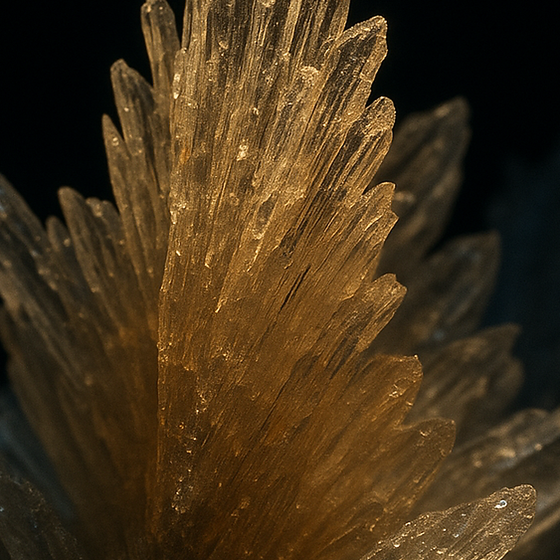
white crystals
Синоніми
2H-chromen-2-one, 2H-1-benzopyran-2-one, 1-benzopyran-2-one, tonka bean camphor, coumarinic anhydride, cis-o-coumaric acid lactone, coumarine
Статус IFRA
Обмежено

Restricted — IFRA Standard « Coumarin » (Amendment 49). Limits in the finished product: Category 1, 0.089%; Category 2, 0.080%; Category 4, 1.5%.

Фізичні властивості
Температура кипіння
297.00 to 301.00 °C. @ 760.00 mm Hg
Температура плавлення
71 °C
Температура спалаху
304 °F

У парфумерії

Coumarin is responsible for the pleasant odor of the tonka bean seed and is used in the perfume industry. Coumarin has been an integral part of the fougère genre of perfume since it was first used in a fragrance in 1882. In France, tonka beans are used in perfumes. Coumarin has been used as a flavoring compound. Artificial coumarin became one of the first artificial flavoring agents, as a vanilla substitute. It is still used as a legal flavorant in soaps, rubber products and the tobacco industry, particularly for sweet pipe tobacco and certain alcoholic drinks. Tonka beans still flavor some pipe tobaccos.

Роль у формулі
01модифікатор
02фірмова нота
03сполучний компонент
04формувач об’єму
Форми випуску
кристали порошок розчин

Див. також

3 ноти