


Квітка падубу
НатуральнийКВІТИквітковий · свіжий · зелений
Ноти серцяПіраміда
—Сила
—Стійкість
2Походження
Зразок
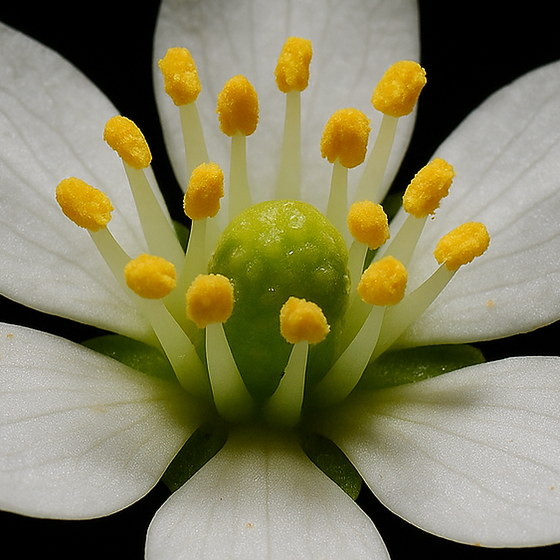
Ilex aquifolium
Визначення
Holly flower is the small, white, fragrant bloom of Ilex aquifolium (European holly, Aquifoliaceae). The holly note in perfumery is a green, crisp note with bright green facets and sweet, slightly tart nuances.
КВІТКОВИЙ ЗЕЛЕНИЙ СОЛОДКИЙ ТЕПЛИЙ ПРОХОЛОДНИЙ СВІЖИЙ
Christmas holly, English holly, European holly, common holly, holly
- Type
- Складник
- Olfactive family
- Квіткові
Інструменти
Піраміда
ВВерхні ноти
СНоти серця
ББазові ноти
Країни-виробники
Європа Північна Америка
Запах
В ароматах PREMIEREPEAU
Докладно
Цікавий факт
Flowers of the genus Ilex, to which holly belongs, appear to have been largely unchanged for at least 38-34 million years, judging by a flower preserved in amber.
Отримання й хімія
- Ботанічна назва
- Ilex aquifolium
- Зовнішній вигляд
- White flowers, sometimes touched with red
- Синоніми
- Christmas holly, English holly, European holly, common holly, holly
Статус IFRA
Див. приміткуNo IFRA Standard for the material itself (51st Amendment)
Див. також
7 ноти