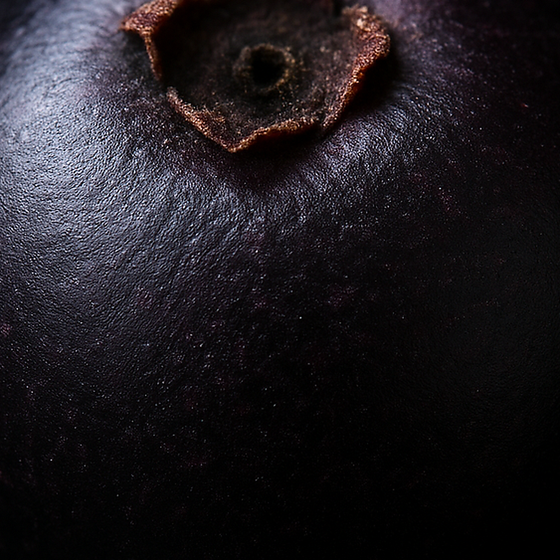
Ягода макі

АкордФРУКТИ, ОВОЧІ Й ГОРІХИфруктовий · солодкий · свіжий

Сім ароматівОдин із них дивиться на вас

Ноти серцяПіраміда
—Сила
—Стійкість
2Походження
Зразок
Ягода макі як парфумерна сировина
Ноти серця
Aristotelia chilensis
Фантазійний/концептуальний
Визначення

Maqui berry is the small purple-black edible fruit of Aristotelia chilensis, a tree in the Elaeocarpaceae family native to the Valdivian temperate forests of Chile and adjacent regions of southern Argentina.

КВІТКОВИЙ СОЛОДКИЙ ФРУКТОВИЙ ТРАВ’ЯНИЙ ГУРМАНСЬКИЙ СВІЖИЙ
Chilean wineberry, maqui
Type
Акорд
Olfactive family
Фруктові
Source
fruit
Інструменти
Піраміда
ВВерхні ноти
СНоти серця
ББазові ноти
Країни-виробники
Аргентина Чилі

Запах

Published information on the aroma profile of maqui berries is scarce.

Докладно

Aristotelia chilensis is a small dioecious evergreen tree that can reach 4 to 5 metres in height. The tree flowers at the end of spring, and the white flowers are unisexual and small. The berries contain 4 to 8 angled seeds. The fruit tastes similar to blackberries.

Origin and Production

It is found naturally in Chilean rainforests. Its native range spans the area between the Coquimbo and Aysén regions of Chile. The berries are collected from wild plants from December to March of each year by families, mainly Mapuche, who collect their harvest near the Andes Mountains. The Mapuche are a group of Indigenous inhabitants of south-central Chile and southwestern Argentina. Most of the fruits on the market have been gathered from the wild. Aristotelia chilensis is planted in home gardens and is not grown on an orchard scale. The stored fruits are sold in local markets, with prices ranging from $6.5 to $15 per kilogram. Maqui berries are a favored food for birds at the end of summer.

Chemistry

Polyphenol research on maqui berries showed anthocyanin content to include eight glucoside pigments of delphinidin and cyanidin. The principal anthocyanin is delphinidin 3-sambubioside-5-glucoside, at 34% of total anthocyanins. Research identified 19 polyphenolic compounds in maqui: eight anthocyanins, ten flavonols and ellagic acid. The fruit provides 150 calories per 100 g of product and has a low protein content and a high fiber content. Anthocyanins have been reported in maqui leaves, and the alkaloids aristoteline, aristoquinoline and aristone were extracted from the leaves.

Цікавий факт

The species is reported to be among the first plants to grow around pig carcasses, which are experimental substitutes for human corpses, in southern Chile. A seven-year-old tree can produce up to 10 kilograms of berries per year.

Отримання й хімія

Спосіб отримання

The berries are gathered from wild plants: side branches are collected and shaken to separate the berries and leaves from the branches, and a mechanical process then separates the berries from the leaves.

Формула
Complex natural mixture (key constituents: delphinidin 3-O-β-glucoside; delphinidin 3-sambubioside-5-glucoside)
Ботанічна назва
Aristotelia chilensis
Зовнішній вигляд
Small purple-black berries, approximately 4–6 mm in diameter
Синоніми
Chilean wineberry, maqui
Статус IFRA
Див. примітку

No IFRA Standard for the material itself (51st Amendment)

Фізичні властивості
Нота
The average total anthocyanin content is 138 mg per 100 g of fresh fruit and 212 mg per 100 g of dry fruit.

У парфумерії

Some skincare lines have begun to include maqui as an ingredient because of its antioxidant and photoprotection properties.

Роль у формулі
01модифікатор
02компонент піднесення
03сполучний компонент
04свіжість
Форми випуску
синтетичний акорд фантазійна нота

Див. також

8 ноти