


Cvet jarane
AkordCVETOVIcvetni · sladak · svež
Srednje notePiramida
—Jačina
—Trajnost
1Poreklo
Uzorak
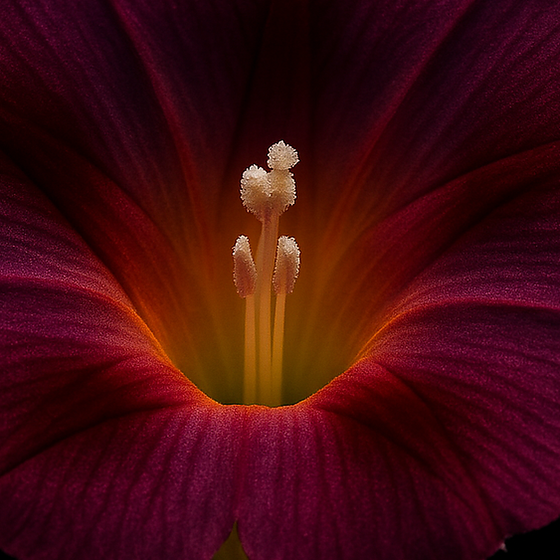
Lecythis lurida (Miers) S.A.Mori
Fantazijska/konceptualna
Definicija
Jarana is the common name, in Amazonia, of the tree Lecythis lurida, of the family Lecythidaceae.
CVETNI ZELEN SLADAK VOĆNI TOPAO SVEŽ
Lecythis jarana, Eschweilera jarana, Holopyxidium jarana, Chytroma jarana
- Type
- Akord
- Olfactive family
- Cvetni
- Source
- Evergreen tree
Instrumenti
Piramida
GGornje note
SSrednje note
BBazne note
Zemlje proizvođači
Brazil (sliv Amazona)
U parfemima kuće PREMIEREPEAU
Detaljno
Zanimljivosti
So many railroad ties were made from the lumber of this tree for the Belém-Bragança railroad that the species was nearly eliminated from the area.
Dobijanje i hemija
Način dobijanja
Its timber is often harvested from the wild for trade.
- Botanički naziv
- Lecythis lurida (Miers) S.A.Mori
- Sinonimi
- Lecythis jarana, Eschweilera jarana, Holopyxidium jarana, Chytroma jarana
Status prema standardima IFRA
Pogledajte napomenuNo IFRA Standard for the material itself (51st Amendment)
U parfemima
No use of Lecythis lurida in perfumery or flavour is described. The plant is a timber tree.
Uloga u formuli
01pojačivač difuzije
02modifikator
03nota potpisa
04sredstvo za podizanje
05sirovina za stapanje
06graditelj volumena
Oblici na tržištu
sintetički akord fantazijska nota
Pogledajte i
7 nota