Cvet čičimaka

PrirodnaCVETOVIcvetni · voćni · sladak

Sedam parfemaJedan od njih vas posmatra

Srednje notePiramida
—Jačina
—Trajnost
1Poreklo
Uzorak
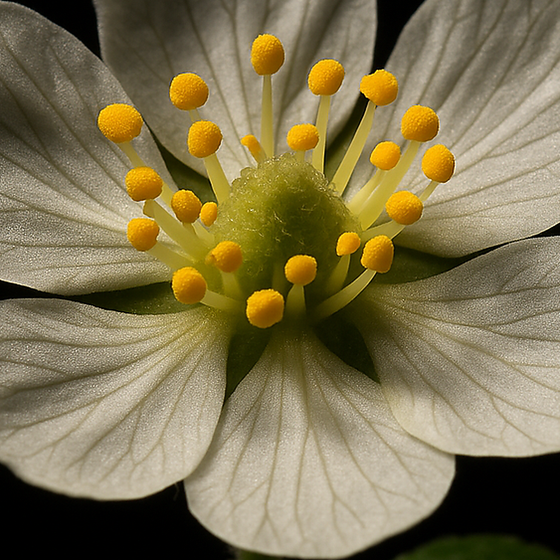
Cvet čičimaka kao sirovina za parfeme
Srednje note
Ziziphus jujuba
Definicija

Jujube blossom is the small yellow-green flower of Ziziphus jujuba, a species of the buckthorn family Rhamnaceae. Its fragrance is uniquely warm and inviting.

CVETNI SLADAK VOĆNI BILJNI TOPAO SVEŽ
Type
Sirovina
Olfactive family
Cvetni
Source
flower
Chemical class
Volatile mixture of aldehydes, esters, alcohols, olefins and ketones
Instrumenti
Piramida
GGornje note
SSrednje note
BBazne note
Zemlje proizvođači
Kina

Miris

In the bud stage, higher concentrations of compounds such as 3-heptanol, n-octanal and benzaldehyde impart grassy, nutty and jasmine-like scents to the flowers. The aromatic intensity of the flowers increases gradually as the buds develop. The flowers as a whole have a warm and inviting fragrance. Among the compounds found in them, benzaldehyde is described as sweet, almond and nutty, n-octanal as fatty, citrus and honey, and (E)-2-heptenal as guava.

Detaljno

Jujube blossom is the flower of the jujube, Ziziphus jujuba, which is also called the Chinese date or red date. The flowers are small, 5 millimetres wide, with five inconspicuous yellowish-green petals. The jujube is native to China and is cultivated in Asia, Europe and the Americas. Late flowering occurs in June in North China, and the flowering period lasts 2 months.

The aroma of jujube flowers attracts honey bees, which collect nectar to produce jujube honey. The flowers also contain calcium, iron and magnesium.

A total of 65 volatile compounds were identified in jujube flowers at different stages. They include 15 aldehydes, 12 esters, 11 alcohols, 11 olefins, 8 ketones and 4 ethers. The remaining four are one furan, one pyrazine, one thiazole and one pyridine. The flowering stage shows the highest diversity of aroma components, and the bud stage the least. At the flowering stage, 14 aroma substances increase, including limonene, 3-carene, myrcene and terpinolene. In the late flowering stage, eight additional aroma components appear, including dipropyl disulfide, 2-methylbutanal and linalool. Aldehydes are the most abundant group at all three stages, followed by esters, alkenes, alcohols and ketones. Jujube flowers contain 24 unique aroma components compared with other plant flowers. Varieties such as Fuxiang, Dongzao and Xingguang give significantly stronger aromas at the flowering stage than other varieties.

Jujube orchards had appeared in China by at least 3000 years ago. About 2000 years ago jujube was introduced into Japan and Korea, and to Central Asia and Europe via the ancient Silk Road. Pliny the Elder mentioned in his Historia Naturalis that a counselor of the Roman Emperor Octavian Augustus first introduced the Chinese date from Syria to Italy.

Explore all seven extraits in the Discovery Set.

—

Related: Accord Eudora · African Marigold · Alpha Amylcinnamaldehyde · Alyssum · Angels Trumpet · Aquaflora · Ashoka Flower · Aurantiol

Dobijanje i hemija

Način dobijanja

Headspace technology in general identifies the odour compounds in the air surrounding flowers, and a perfumer can recreate the scent from the analysed data.

Formula
Complex natural mixture (key constituents: benzaldehyde C₇H₆O; n-octanal C₈H₁₆O; (E)-2-heptenal C₇H₁₂O)
Botanički naziv
Ziziphus jujuba
Izgled
Small yellow-green flowers
Status prema standardima IFRA
Pogledajte napomenu

No IFRA Standard for the material itself (51st Amendment)

U parfemima

Sensory evaluation indicated a preference for the fragrance of jujube flowers among men. Jujube flower aroma has the potential to be developed into a men's perfume.

Uloga u formuli
01pojačivač difuzije
02nota potpisa
03sredstvo za podizanje
04sirovina za stapanje
05graditelj volumena
06svežina
Oblici na tržištu
svež cvet

Pogledajte i

7 nota