


Jorgovan
PrirodnaCVETOVIcvetni · puderast · sladak
Srednje notePiramida
—Jačina
—Trajnost
—Poreklo
Uzorak
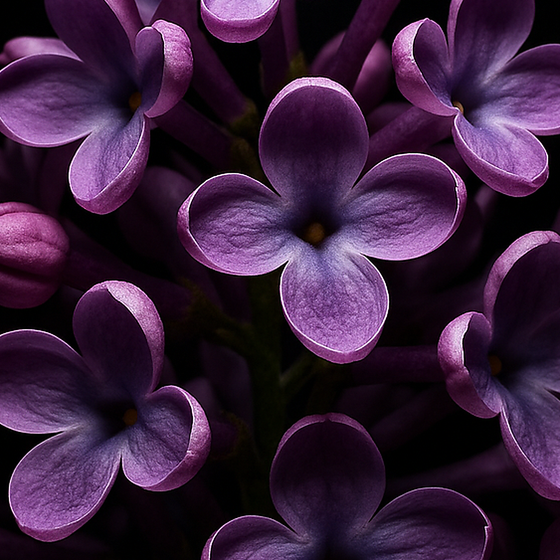
Syringa vulgaris
Definicija
Lilac is a species of flowering plant in the olive family, Syringa vulgaris. Its scent is soft, floral and delicately sweet.
Floral89
Vert72
Doux69
Poudré46
Fruité31
Boisé46
common lilac
- Type
- Sirovina
- Olfactive family
- Cvetni
- Source
- flowers
- Chemical class
- complex natural
Instrumenti
Piramida
GGornje note
SSrednje note
BBazne note
Miris
U parfemima kuće PREMIEREPEAU
Teroar i poreklo
Detaljno
Zanimljivosti
The genus name Syringa comes from the Ancient Greek word syrinx, meaning "pipe" or "tube", and refers to the hollow branches of Syringa vulgaris. Lilac was selected as the state flower of New Hampshire.
Dobijanje i hemija
- Formula
- Complex natural mixture (key constituents: benzyl alcohol; lilac alcohol C; lilac alcohol D)
- Botanički naziv
- Syringa vulgaris
- Izgled
- Flowers usually lilac to mauve, occasionally white
- Sinonimi
- common lilac
Status prema standardima IFRA
Pogledajte napomenuNo IFRA Standard for the material itself (51st Amendment)
U parfemima
4-Anisaldehyde is used in lilac accords, among others, because of its good tenacity. Terpineol smells pleasantly like lilac and is a common ingredient of perfumes, cosmetics and flavors.
Uloga u formuli
01pojačivač difuzije
02modifikator
03nota potpisa
04sredstvo za podizanje
05sirovina za stapanje
06graditelj volumena
Oblici na tržištu
apsolut
Pogledajte i
7 nota