


Pokan
PrirodnaCITRUSNI MIRISIcitrusni · svež · voćni
Gornje notePiramida
4/5Jačina
8hTrajnost
2Poreklo
Uzorak
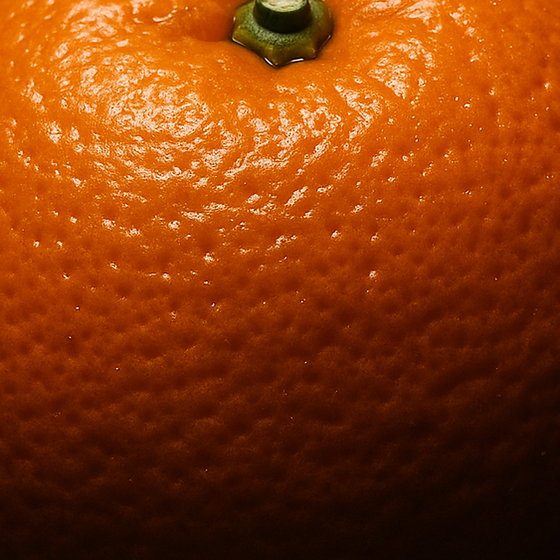
Citrus reticulata
Definicija
A Japanese mandarin hybrid. Sweet, low-acid, with a gentle orange-blossom peel note.
CVETNI CITRUSNI ZELEN SLADAK TOPAO SVEŽ
PONCIRUS TRIFOLIATA
- Type
- Sirovina
- Olfactive family
- Citrusni
- Source
- fruit peel
- Chemical class
- complex natural (expressed oil)
Instrumenti
Piramida
GGornje note
SSrednje note
BBazne note
4/5Jačina
Visoka
jačina mirisa
Trajnost na mirisnoj traci
8sati
1 h6 h24 h3 d7 d400 h
pri 100 %
Zemlje proizvođači
Kina Japan
Miris
U parfemima kuće PREMIEREPEAU
Detaljno
Zanimljivosti
Pokan appears in traditional Japanese cuisine, where its zest adds a unique tartness to dishes and beverages.
Dobijanje i hemija
Način dobijanja
Cold pressing
- Formula
- Limonene C₁₀H₁₆ (major component) · Methyl N-methylanthranilate C₉H₁₁NO₂
- CAS
- 8008-31-9 (Citrus reticulata oil — mandarin/tangerine type)
- Botanički naziv
- Citrus reticulata
- Izgled
- Yellow to orange liquid with sweet citrus odor
- Jačina mirisa
- Visok
- Trajnost
- 8 hours at 100%
- Sinonimi
- PONCIRUS TRIFOLIATA
Status prema standardima IFRA
Bez ograničenjaNo known restrictions
Fizička svojstva
- Indeks prelamanja
- 1.474–1.478
- Nota
- Pokan = Citrus reticulata var. — very close to mandarin oil
U parfemima
In perfumery, Pokan is a top note, bringing a burst of freshness and energy to fragrance compositions. Its bright, zesty character works with other citrus notes such as bergamot and grapefruit, as well as floral notes like jasmine and rose. Pokan can enhance green and herbal accords, adding depth and vibrancy to the overall blend. The unique tartness of Pokan allows it to stand out in a composition, used in modern, refreshing fragrances that aim to capture the essence of nature's brightness.
Uloga u formuli
01modifikator
02nota potpisa
03sredstvo za podizanje
04sirovina za stapanje
05graditelj volumena
Oblici na tržištu
sintetički akord fantazijska nota
Pogledajte i
8 notaGorka pomorandža citrusni · gorak · svež Kalamansi citrusni · svež · voćni Bergamot citrusni · aromatičan · gorak · nalik čaju Crvena pomorandža citrusni · svež · voćni Gorka pomorandža (bigarade) citrusni · gorak · svež Rangpur citrusni · svež · voćni Methyl Pamplemousse citrusni · svež · voćni Limunska trava citrusni · zelen · svež
