


Корінь дягелю
НатуральнийЗЕЛЕНІ НОТИ, ТРАВИ Й ФУЖЕРНІ АКОРДИземлистий · свіжий · зелений
Ноти серця·Базові ноти Піраміда
3/5Сила
—Стійкість
6Походження
Зразок
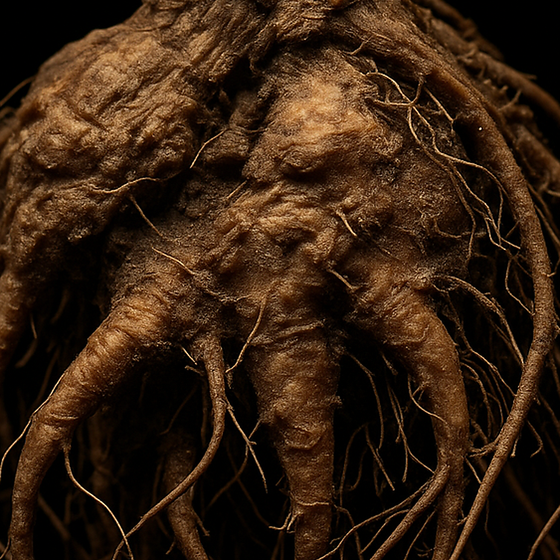
Angelica archangelica
Визначення
Angelica root oil is a volatile oil obtained from the roots of Angelica archangelica. Its odour is aromatic, spicy and musky.
ДЕРЕВНИЙ ЗЕЛЕНИЙ ЗЕМЛИСТИЙ ПРЯНИЙ СОЛОДКИЙ МУСКУСНИЙ ТРАВ’ЯНИЙ ТЕПЛИЙ
Angelica oil, angelica root oil
- Type
- Складник
- Olfactive family
- Ароматичні
- Source
- roots
- Chemical class
- essential oil, mostly monoterpenes
Інструменти
Піраміда
ВВерхні ноти
СНоти серця
ББазові ноти
3/5Сила
Середня
інтенсивність запаху
Країни-виробники
Бельгія Голландія Франція Німеччина Угорщина Індія
Запах
В ароматах PREMIEREPEAU
Теруар і переробка
Докладно
Отримання й хімія
Спосіб отримання
The oil is steam distilled from the dried roots of Angelica archangelica. In one study, chopped root samples were hydrodistilled for two hours, and the oil yield varied between 0.26 and 1.16 %.
- CAS
- 8015-64-3
- Ботанічна назва
- Angelica archangelica
- Зовнішній вигляд
- pale yellow to orange brown clear liquid
- Сила запаху
- Середня
- Синоніми
- Angelica oil, angelica root oil
Статус IFRA
ОбмеженоRestricted — IFRA Standard « Angelica root oil » (Amendment 49)
Фізичні властивості
- Температура спалаху
- 110.00 °F TCC (43.33 °C)
- Відносна густина
- 0.85000 to 0.88000 @ 25.00 °C
- Показник заломлення
- 1.46900 to 1.47800 @ 20.00 °C
У парфумерії
The oil is classed as a flavor and fragrance agent. In cosmetics it serves as a perfuming agent and a tonic. The roots are generally preferred for culinary and aroma uses.
Роль у формулі
01модифікатор
02кістяк
03фірмова нота
04компонент піднесення
05сполучний компонент
06формувач об’єму
Форми випуску
ефірна олія
Див. також
7 ноти