


Осика
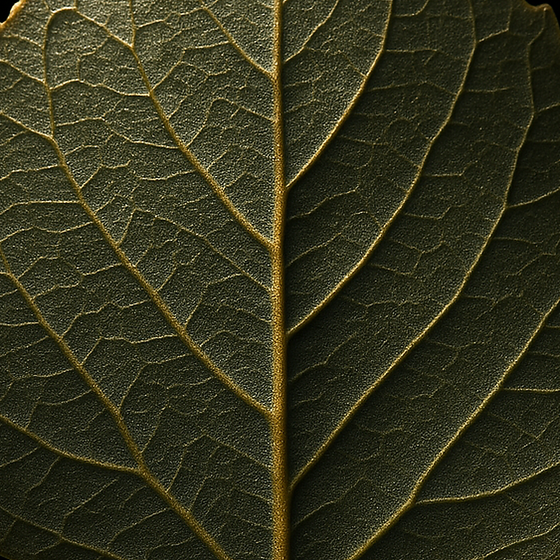
Pale, papery, almost not there. Aspen is the phantom limb of wood notes — what remains when you strip away the resinous density of cedar, the smoky bite of guaiac, the sweetness of sandalwood. In the wild, quaking aspen bark smells faintly medicinal (salicin, the aspirin precursor), with a cold, wet-bark greenness. In perfumery, no commercial extract exists. The note is a synthetic construction: clean, skeletal, deliberately transparent.
- Type
- Акорд
- Olfactive family
- Деревні
- Source
- wood (conceptual — no extract commercially available for perfumery)
- Chemical class
- N/A (no commercial perfumery extract; fantasy note reconstructed synthetically)
Запах
Докладно
Отримання й хімія
Спосіб отримання
No perfumery-grade essential oil or absolute of Populus tremuloides exists commercially. The bark contains salicin (a salicyl alcohol glucoside, CAS 138-52-3), salicylaldehyde, and related phenolic glycosides, but these are extracted for cosmetic and pharmaceutical applications — not for fragrance. PhytoCide Aspen Bark Extract (Active Micro Technologies) standardises salicin content to 54-60% for use as a natural cosmetic preservative. This is a functional antimicrobial ingredient, not an olfactory material. A 2014 Phytochemia analysis of quaking aspen male flower hydrosol (hydrodiffusion of P. tremuloides) identified 1,2-cyclohexanedione, benzyl alcohol, benzoic acid, and benzyl benzoate as major volatile constituents. The flowers were noted to have a subtle peppery-vanilla scent at bud burst. This remains an analytical curiosity, not a commercial fragrance material. The aspen note in perfumery is reconstructed entirely from synthetic molecules.
- Формула
- Complex — key compound: Salicin (C₁₃H₁₈O₇) in bark; volatile profile dominated by terpenoids
- CAS
- 90083-05-9 (bark extract, cosmetic grade — not a fragrance material)
- Ботанічна назва
- Populus tremuloides
- Зовнішній вигляд
- Pale yellow to amber viscous liquid
- Сила запаху
- Середня
- Синоніми
- Quaking Aspen Trembling Aspen
Not subject to an IFRA Standard (51st Amendment)
- Нота
- No commercial essential oil from aspen. Bark contains salicin (precursor to salicylic acid). Olfactory note reconstructed synthetically.
У парфумерії
Aspen is a fantasy note. No commercial essential oil, absolute, or CO2 extract of Populus tremuloides exists for fine fragrance use. Bark extracts (CAS 90083-05-9) are manufactured for cosmetics — as natural preservatives exploiting salicin's antimicrobial properties — not as olfactory materials. The aspen note in perfumery is a construction: a synthetic accord designed to carries pale, cold-climate wood. Typical building blocks include cis-3-hexenol (green, cut-stem freshness), traces of salicylaldehyde (medicinal-bark character), Iso E Super at low doses (abstract woody radiance), and white musks for skin-proximity. The result reads as wood stripped of density — transparent, almost mineral, with no resinous or balsamic weight. Functionally, aspen accords serve as negative-space modifiers in the heart register. They lighten heavy woody bases, introduce a sense of cold air or altitude, and create textural contrast against warmer, denser materials like sandalwood or oud. The note sits in the aromatic-woody family, adjacent to birch and poplar accords. Aspen must not be confused with poplar bud absolute (Populus nigra, CAS 84650-39-5), which is a real material with a rich balsamic, honeyed, vanilla-leather profile — the olfactory opposite of what aspen accords attempt. No PREMIEREPEAU fragrance currently features an aspen note.
Див. також
7 ноти